Alternator Inspection and Testing
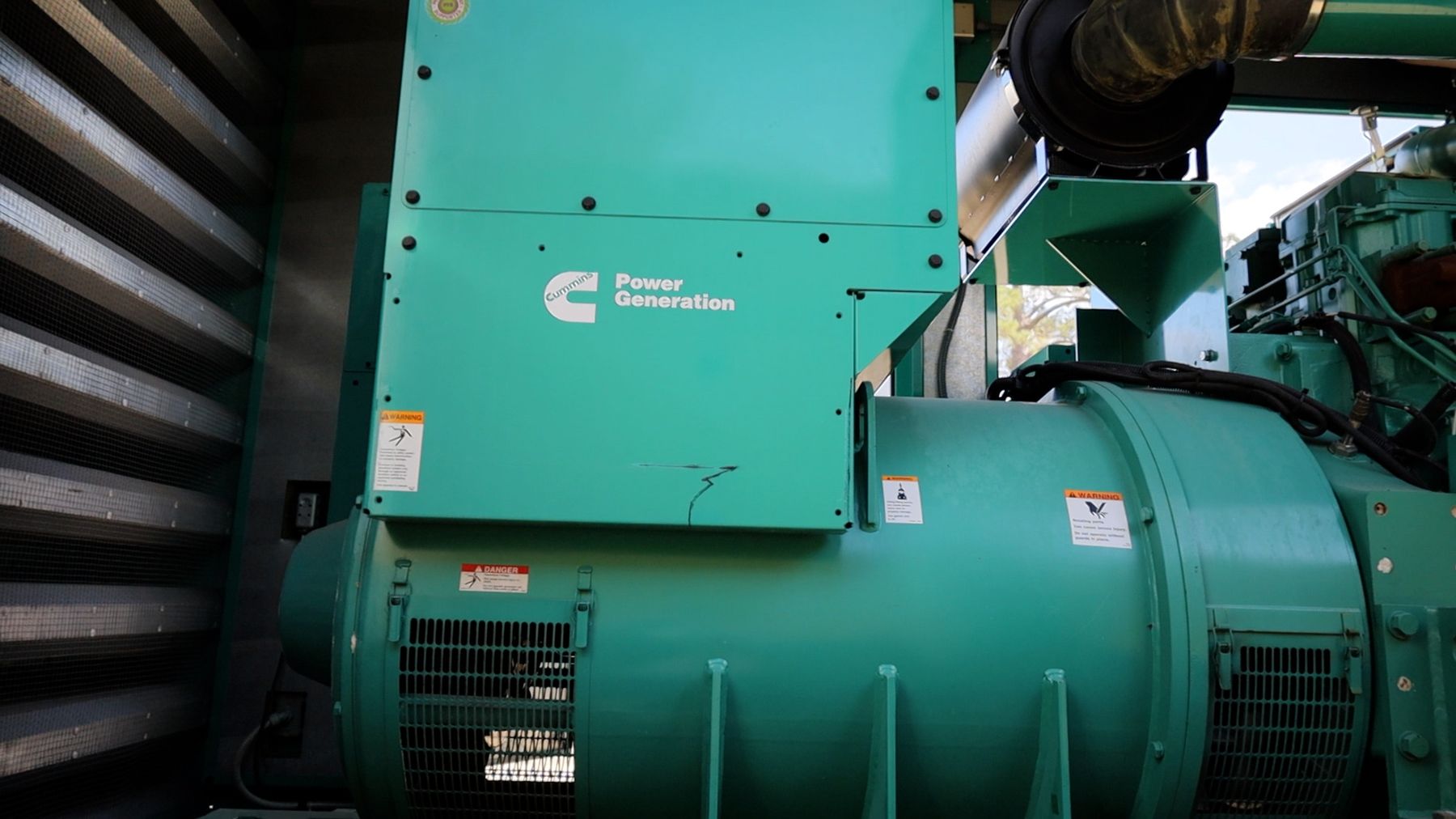
System Function
The alternator converts the engine’s mechanical rotation into electrical power, producing the voltage and frequency your facility depends on. It also plays a major role in power quality when loads change, or when the system transfers during an outage.
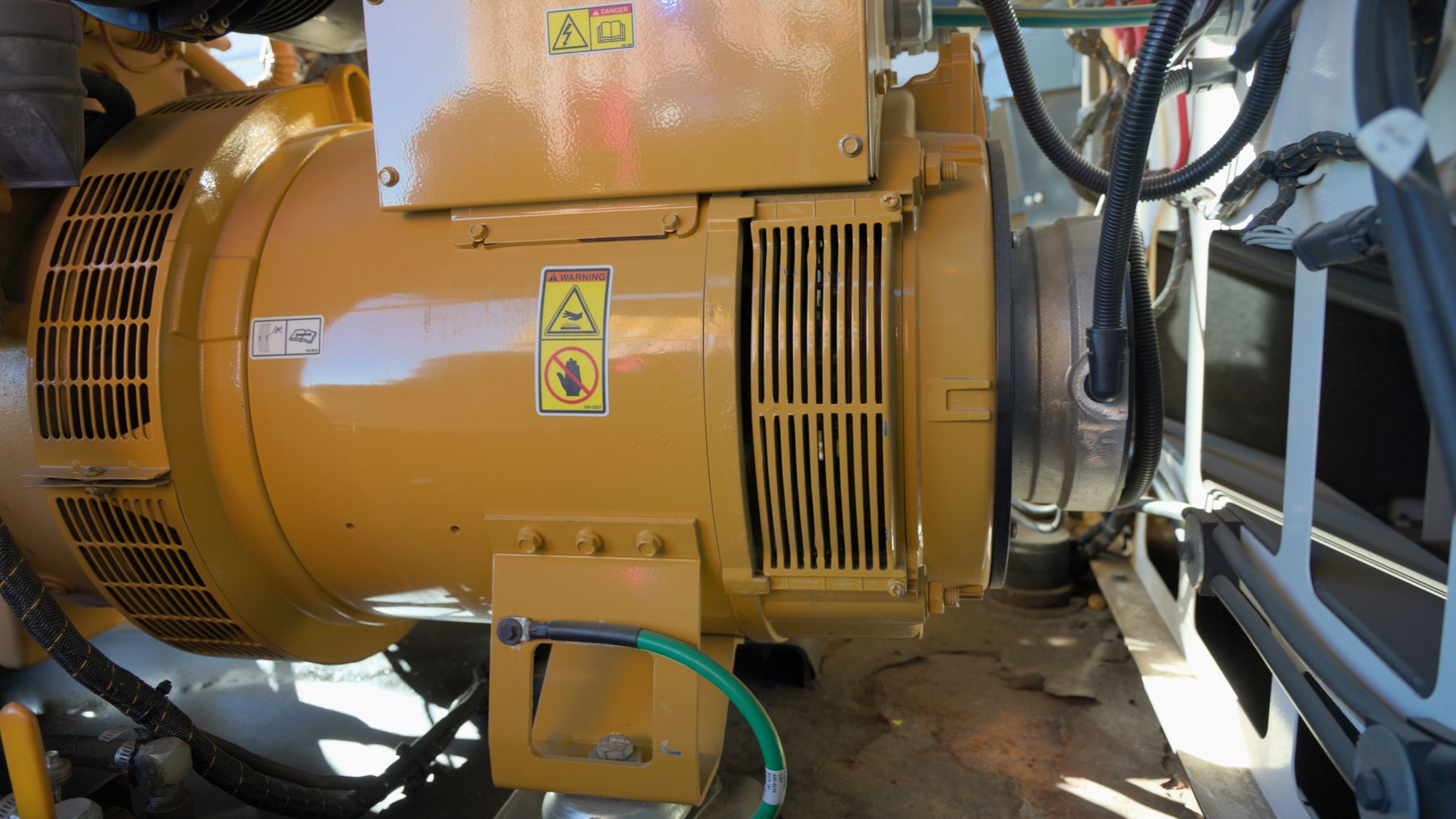
- The Stator and Rotor: Massive copper windings where electromagnetic induction occurs, generating voltage through precisely controlled magnetic fields.
- The Exciter and AVR: The “brain” that maintains stable voltage under changing loads, ensuring your equipment receives consistent power regardless of demand fluctuations.
When alternator issues develop, the engine may still run while electrical output becomes unstable. Worn bearings, loose connections, contamination or winding damage can cause voltage drift, overheating, and nuisance alarms. In more severe cases, the generator may not carry load or may shut down to protect itself.
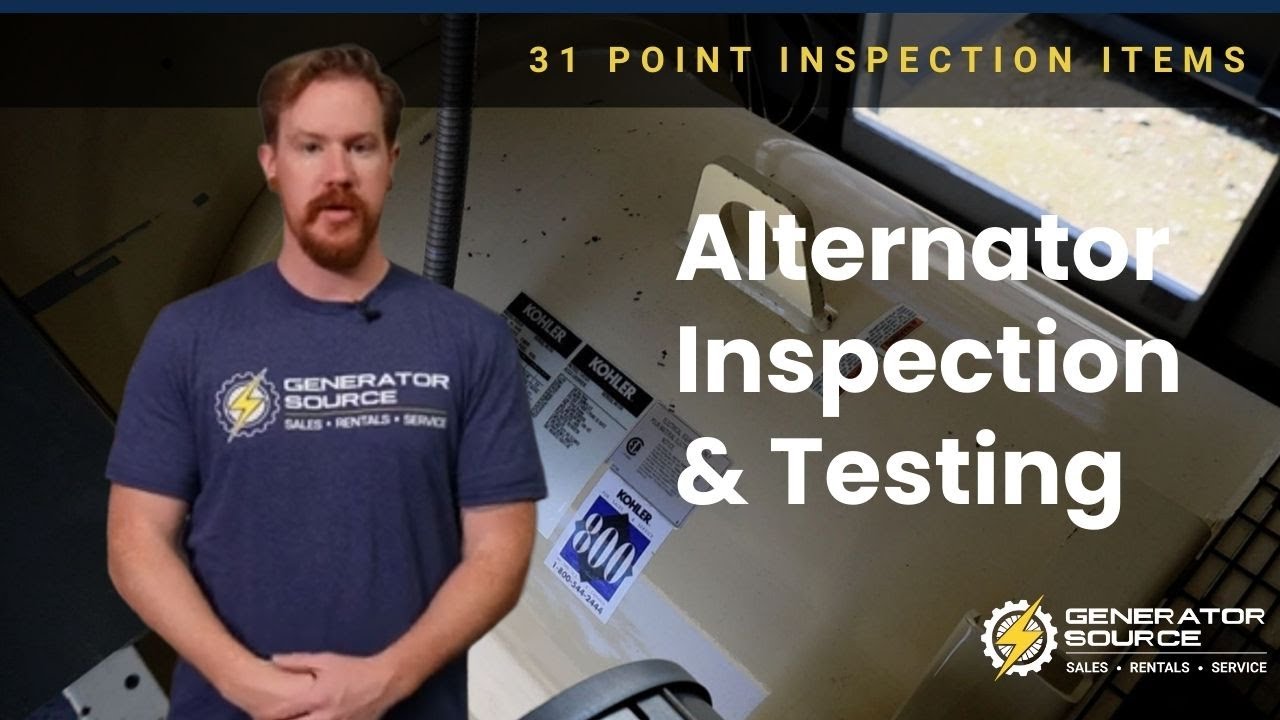
Alternator inspection and testing video
Maintenance Schedule
How often should it be inspected?
Alternators are evaluated for mechanical condition, clean connections, insulation health, and stable output every quarter during PM1 inspections—not just whether voltage shows on the screen. We verify voltage balance and check for rodent nesting.
Environmental Considerations: In coastal zones like Florida, we verify Strip Heater operation quarterly to prevent insulation rot from humidity. In dusty regions like Texas, we schedule more frequent “blow-outs” to remove dust buildup that creates dangerous thermal blankets around windings.
How you can tell it is acting up
- Flickering Lights: Voltage instability as the alternator struggles to maintain consistent output under changing loads.
- High-Pitched Whining or Growling: Bearing failure creating audible noise that increases with load.
- Acrid Burning Smell: Melting varnish insulation on copper windings as temperatures exceed safe limits.
- Breakers Tripping Despite Low Load: Voltage spikes or imbalance causing protective devices to activate.
- Alternator Casing Hotter Than Engine Block: Excessive heat generation indicating internal electrical resistance or bearing friction.
Most asked question
“Can I pressure wash the alternator to clean it?”
Absolutely not. High-pressure water drives moisture deep into the windings, causing a dead short that destroys the alternator instantly. We use only low-pressure air and dielectric solvents specifically designed for electrical equipment. A $200 pressure washer can create a $50,000 alternator replacement.
Frequently Asked Questions
Why is the Space Heater important for alternators
The Space Heater also called Strip Heater keeps windings warm when the generator is off preventing condensation from forming inside the alternator. If it fails moisture accumulates during cold starts and can cause a flashover an electrical arc that destroys windings. We verify heater operation during every PM1 inspection.
What causes alternator failure
Heat and moisture are the primary killers. Both degrade the protective varnish coating on copper windings. Heat comes from overloading poor ventilation or dust buildup creating thermal blankets. Moisture comes from failed space heaters or operating in humid environments without proper protection. Either condition leads to insulation breakdown and catastrophic failure.
Is alternator inspection dangerous
Extremely. Alternators produce lethal voltage often 480V or higher. Diagnosis requires specialized metering equipment and knowledge of electrical safety procedures. Even with the generator off residual magnetism can create unexpected voltage. This is why Generator Source uses only EGSA certified technicians for all alternator work.
How often should alternators be inspected
We recommend quarterly inspection as part of PM1 service. This includes visual inspection for rodent damage and inspection of connections voltage balance testing and verification of space heater operation. Early detection of issues like bearing noise or hot spots prevents complete alternator failure.
Service Request
Still have questions?
Generator Source specializes in low-hour, used, new, and surplus generator sets. We have a wide variety of generator sizes and models to fit any project. We are not a broker, we own what we sell.
Call us today (877-866-6895) or click Contact Us to be connected with one of our experienced sales reps.
We have 350+ generators in stock and ready to ship!
31 Point PM1 Service Items Pages
We Service All Major Brands Including