
Battery Charger Maintenance
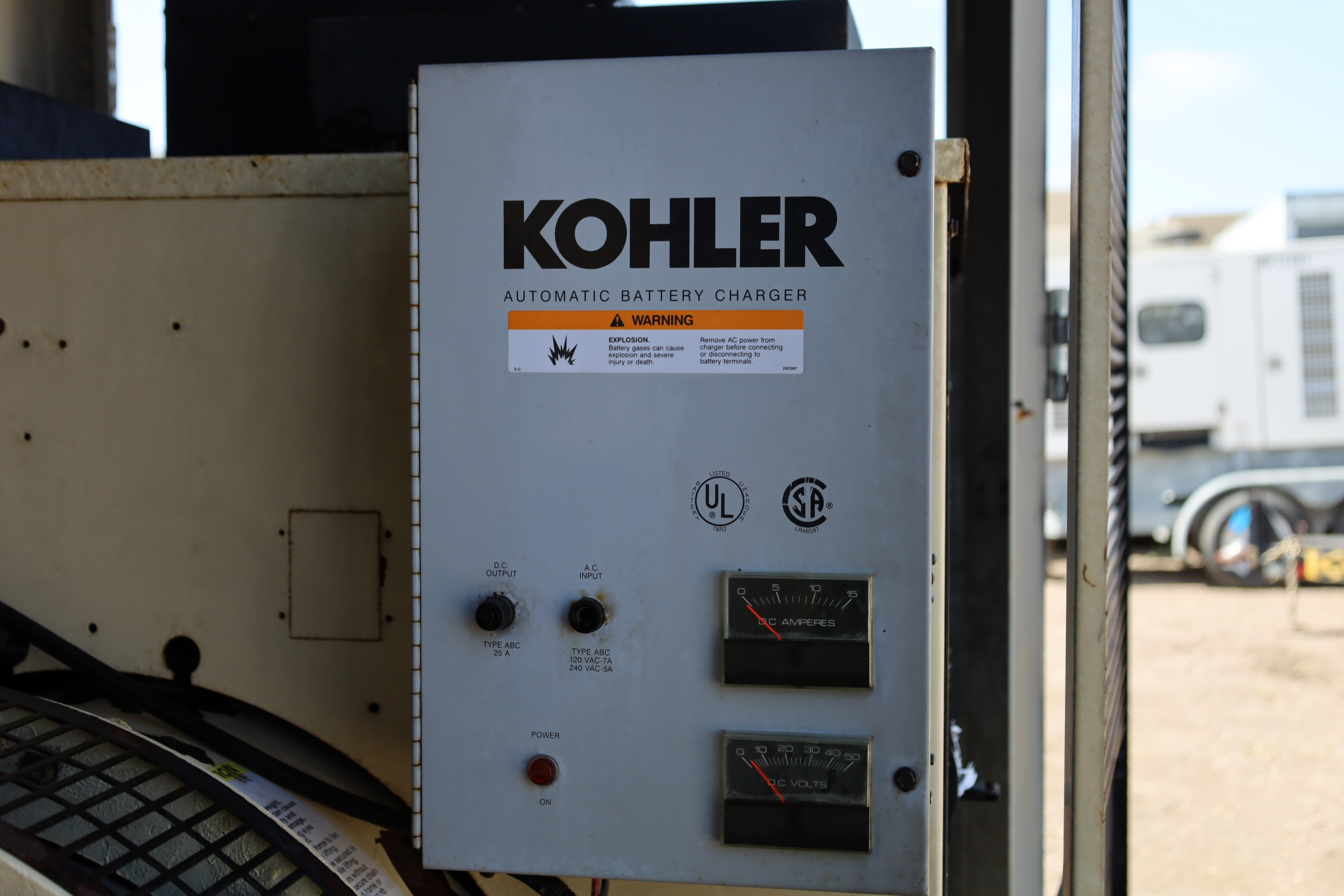
System Function
The battery charger keeps the batteries charged while the generator is sitting idle and ready to start when needed. It provides regulated DC output so batteries stay healthy without being overcharged. When charger performance slips, batteries slowly lose cranking capacity without obvious warning.
- Regulated DC Output: The charger maintains precise voltage levels that keep batteries fully charged without overcharging, which would damage the plates and shorten battery life.
- Float Charge Maintenance: During extended idle periods, the charger provides just enough current to offset natural self-discharge while preventing sulfation buildup on battery plates.
They may look fine during a quick check, but fail when the generator needs to crank during an outage. Long term undercharging shortens battery life and increases the chances of starter and control issues.
Battery charger maintenance and testing video
Maintenance Schedule
How often should it be inspected?
Battery chargers are evaluated for correct output voltage, stable regulation, clean wiring, and secure connections every quarter during PM1 inspections—not just whether a light on the charger is on. We measure actual charging current and voltage under load to verify proper operation.
Environmental Considerations: Chargers operating in dusty or humid environments accumulate contamination that degrades electrical connections and cooling. In facilities with unstable utility power, chargers experience repeated power cycling that stresses components and shortens lifespan.
How you can tell it is acting up
- Batteries Chronically Low: Batteries repeatedly need charging despite minimal use, indicating charger output is insufficient.
- No LED Indicator Light: Charger shows no signs of operation even when connected to power source.
- Batteries Fail Load Test: Batteries that test weak despite appearing charged, suggesting chronic undercharging from charger failure.
- Corroded Charger Connections: Terminal corrosion or overheating at connection points indicating poor electrical contact or charger malfunction.
- Generator Will Not Start After Extended Idle: Batteries completely discharged after sitting unused, revealing charger failed to maintain charge.
Most asked question
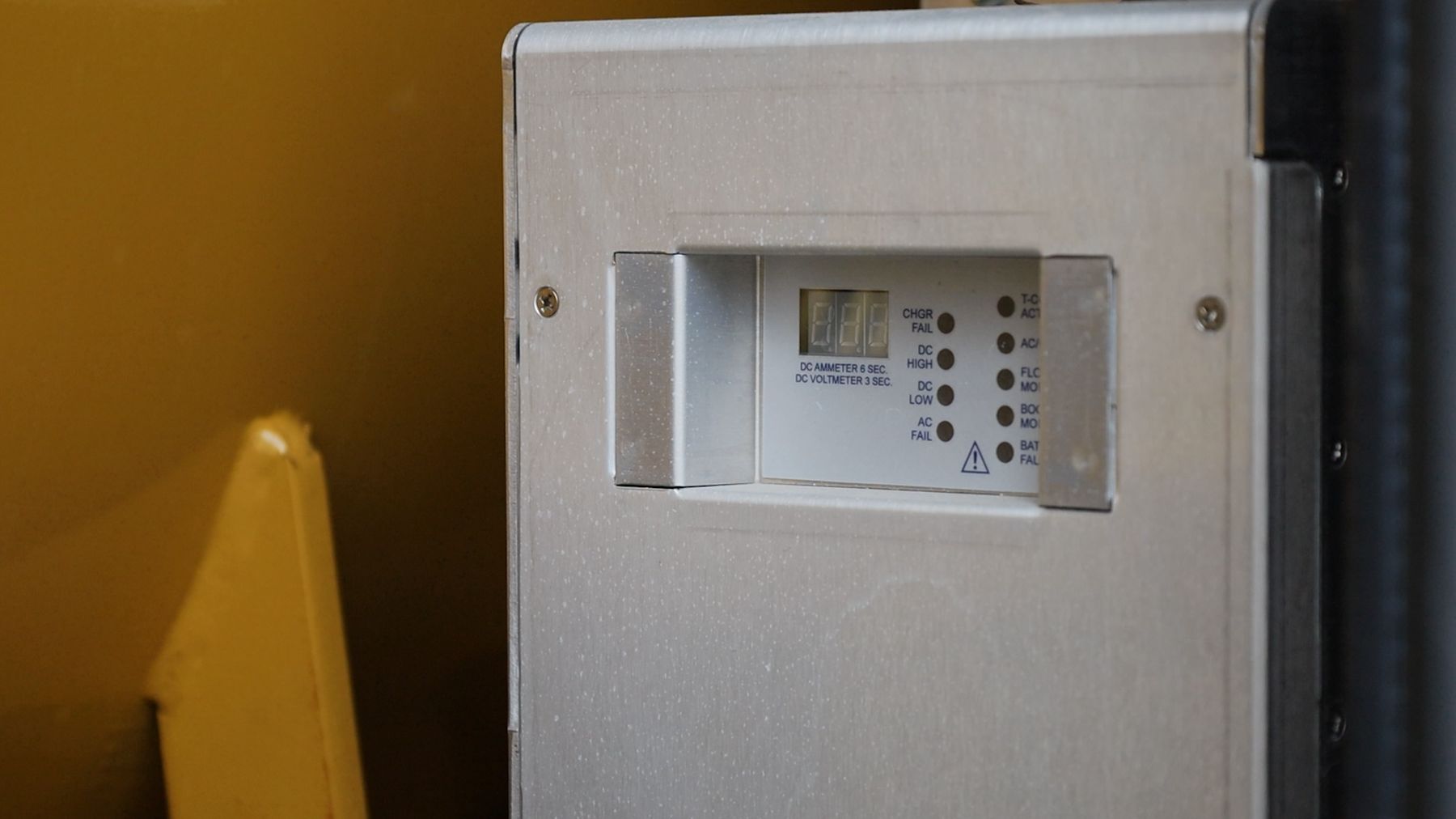
“The charger light is on—does that mean it is working?”
Not necessarily. The indicator light only shows the charger has power, not whether it is delivering correct charging voltage and current. A charger can show a green light while outputting insufficient voltage to maintain battery charge. We measure actual output voltage and current during PM1 inspections because batteries that slowly discharge over months will fail catastrophically during an emergency start. Only direct measurement reveals whether your charger is protecting your investment in batteries and ensuring reliable starting.
Frequently Asked Questions
How do I know if my battery charger is working properly?
Testing requires measuring actual output voltage and current not just checking indicator lights. A properly functioning charger should maintain 13.5 to 13.8 volts DC for 12 volt systems or 27 to 27.6 volts for 24 volt systems. The charger should provide float current that matches battery self discharge typically 0.5 to 2 amps. Voltage significantly above or below this range indicates charger failure that will damage batteries or allow them to discharge.
What causes battery chargers to fail?
Component aging is the primary cause. Capacitors and rectifiers degrade over time especially in hot environments or with unstable utility power. Dust and moisture contamination create electrical shorts or corrode connections. Power surges from lightning or utility switching damage sensitive electronics. Poor ventilation causes overheating that accelerates component failure. Most chargers fail gradually losing output capacity over months before complete failure.
Can I replace the charger with a larger unit?
Maybe. The charger must match your battery voltage 12V or 24V and provide appropriate float current for your battery bank size. Oversized chargers can overcharge batteries especially in small battery banks reducing battery life through excessive gassing and plate degradation. Undersized chargers cannot maintain charge during long idle periods. Consult the generator manufacturer specifications before replacement to ensure compatibility and proper battery maintenance.
Service Request
Still have questions?
Generator Source specializes in low-hour, used, new, and surplus generator sets. We have a wide variety of generator sizes and models to fit any project. We are not a broker, we own what we sell.
Call us today (877-866-6895) or click Contact Us to be connected with one of our experienced sales reps.
We have 350+ generators in stock and ready to ship!

31 Point PM1 Service Items Pages
We Service All Major Brands Including