Controller Maintenance
System Function
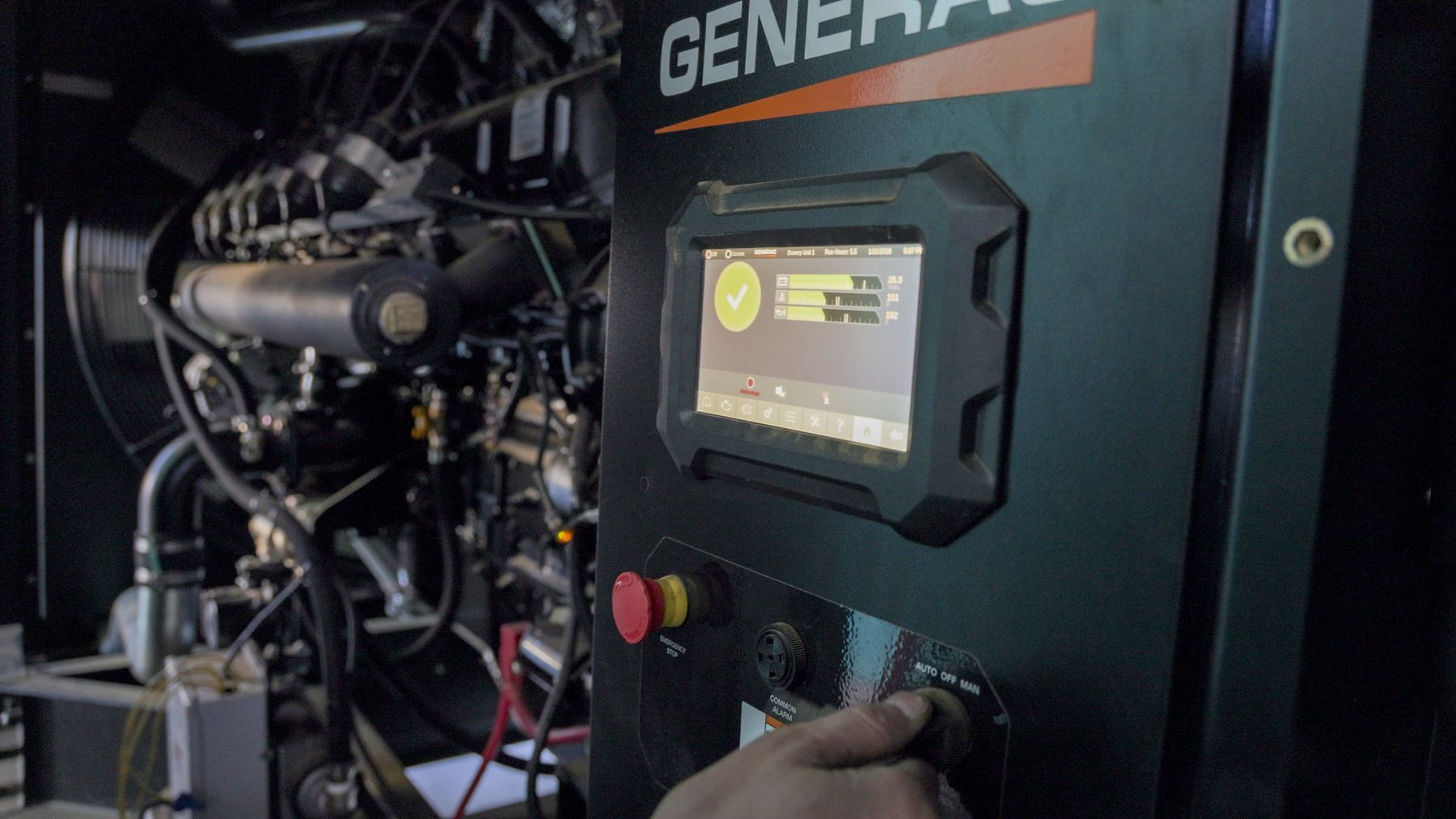
The governor and control system regulate engine speed so electrical frequency stays stable as loads change. The controller also manages start sequences, protective shutdowns, and overall standby readiness. When governor response weakens, frequency can drift during load changes or right after a transfer and power quality suffers.
- Frequency Regulation: The controller monitors electrical frequency and adjusts fuel delivery through the governor to maintain precise 60Hz output despite varying electrical loads.
- Protective Functions: The controller monitors critical parameters like oil pressure, coolant temperature, and overspeed conditions executing automatic shutdown sequences to prevent catastrophic engine damage.
You may see hunting, surging or lights flickering as the engine tries to hold speed under changing demand. Control issues can also show up as missed starts, nuisance alarms or shutdowns that do not match actual engine conditions.
Controller testing & maintenance video
Maintenance Schedule
How often should it be inspected?
How often should load bank testing be performed?
Governor and controls are checked by observing frequency stability under load, reviewing event history, confirming settings, and validating sensor input every quarter during PM1 inspections. We perform load bank testing annually during PM2 to verify proper response under realistic conditions.
Environmental Considerations: Controllers in environments with electrical noise may experience signal interference. High humidity causes corrosion of circuit boards. Temperature extremes cause erratic behavior. Rodent intrusion can damage wiring.
How you can tell it is acting up
- Frequency Instability: Generator frequency hunts above and below 60Hz during load changes.
- Lights Flickering During Transfer: Brief dimming or brightening during utility to generator transfer.
- Nuisance Shutdown Alarms: Controller triggers protective shutdowns for conditions that are not occurring.
- Missed Start Attempts: Generator fails to start despite proper cranking and fuel delivery.
- Erratic Display or Fault Codes: Controller shows random fault codes or impossible parameter values.
Most asked question
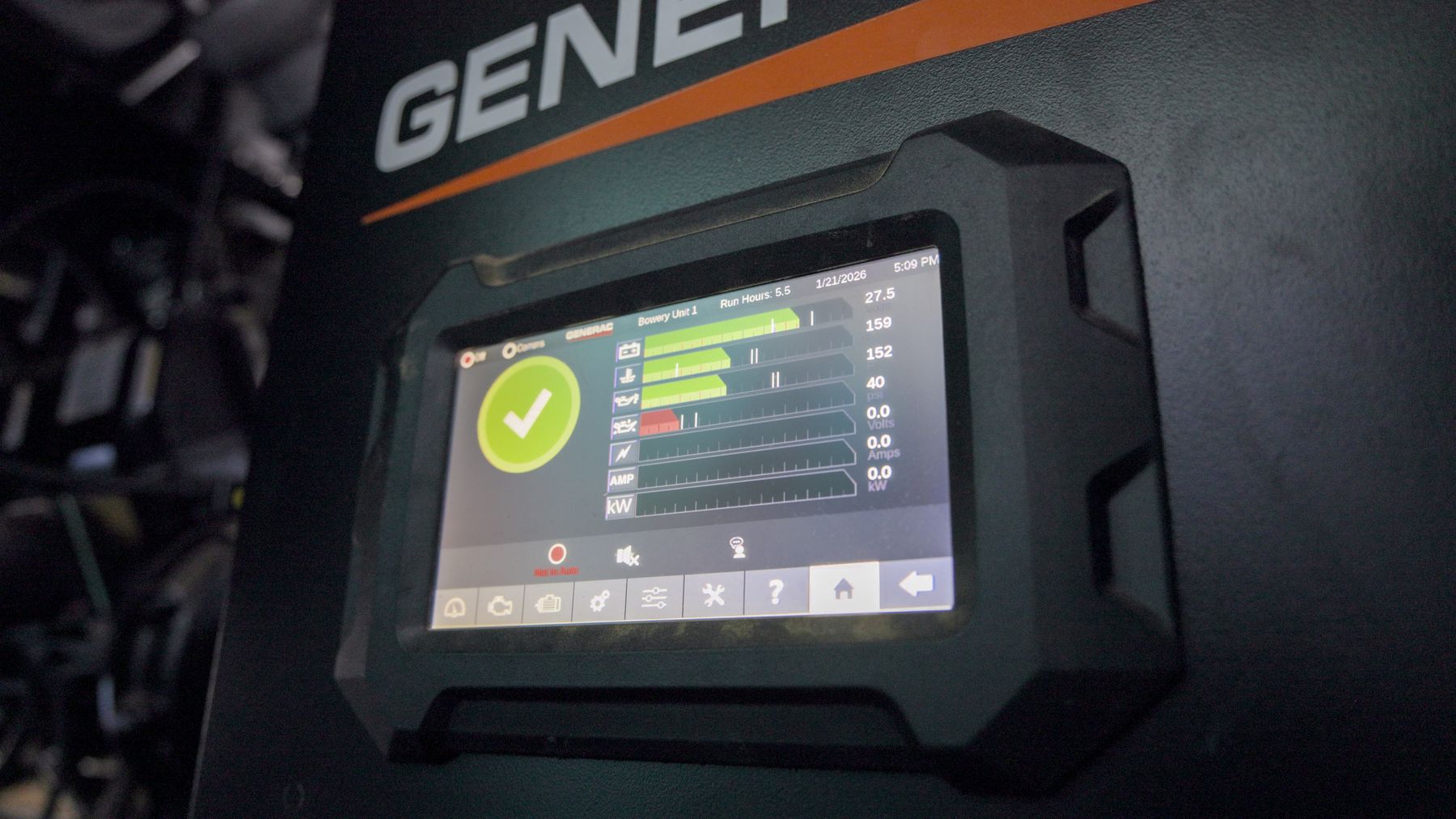
“The controller shows all green lights—does that mean everything is working?”
Not necessarily. Controller displays show current status but cannot predict how the system will respond under load. A generator that starts and idles smoothly may have serious frequency regulation problems when asked to carry load. The controller might show normal parameters while having degraded sensors that will fail to detect actual fault conditions. We evaluate controllers during PM1 by reviewing fault history, testing sensor accuracy, and verifying protective shutdown functions. Annual load bank testing during PM2 proves the controller maintains frequency regulation under realistic conditions.
Frequently Asked Questions
What causes controllers to fail?
Component aging affects electronic circuits especially in harsh environments. Heat cycles cause solder joint failures. Corrosion from humidity damages connections. Power surges from lightning damage sensitive electronics. Rodent damage creates intermittent faults. Software corruption from power interruptions. Magnetic pickup sensor failures from vibration.
Can I update controller software myself?
Generally not recommended. Controller software updates require specific procedures manufacturer software tools and knowledge of parameter settings. Incorrect procedures can render controller inoperable requiring factory reprogramming or replacement. Updates should be performed by qualified technicians.
Why does frequency regulation matter if my equipment works?
Poor frequency regulation damages sensitive electronics and reduces motor lifespan. Frequency variation outside 59.5 to 60.5 Hz causes variable speed drives to fault, computers to reset, and motors to overheat. In facilities with critical loads like medical equipment or data centers, frequency regulation directly impacts equipment reliability and safety.
Service Request
Still have questions?
Generator Source specializes in low-hour, used, new, and surplus generator sets. We have a wide variety of generator sizes and models to fit any project. We are not a broker, we own what we sell.
Call us today (877-866-6895) or click Contact Us to be connected with one of our experienced sales reps.
We have 350+ generators in stock and ready to ship!
31 Point PM1 Service Items Pages
We Service All Major Brands Including