Skip to content

Fuel Line Inspection

Fuel Line Inspection

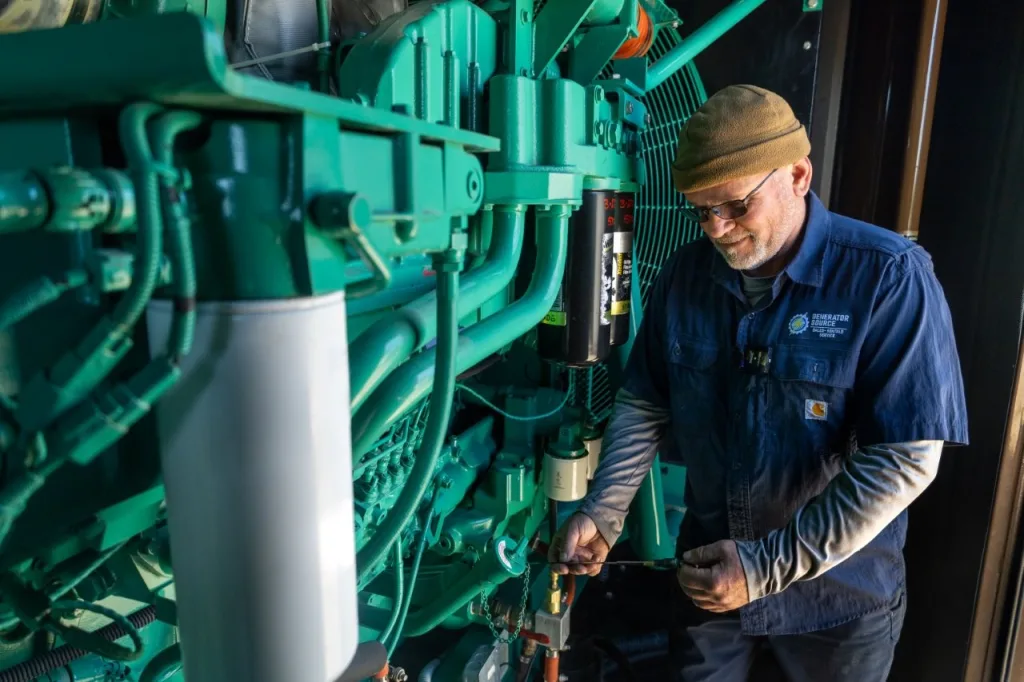
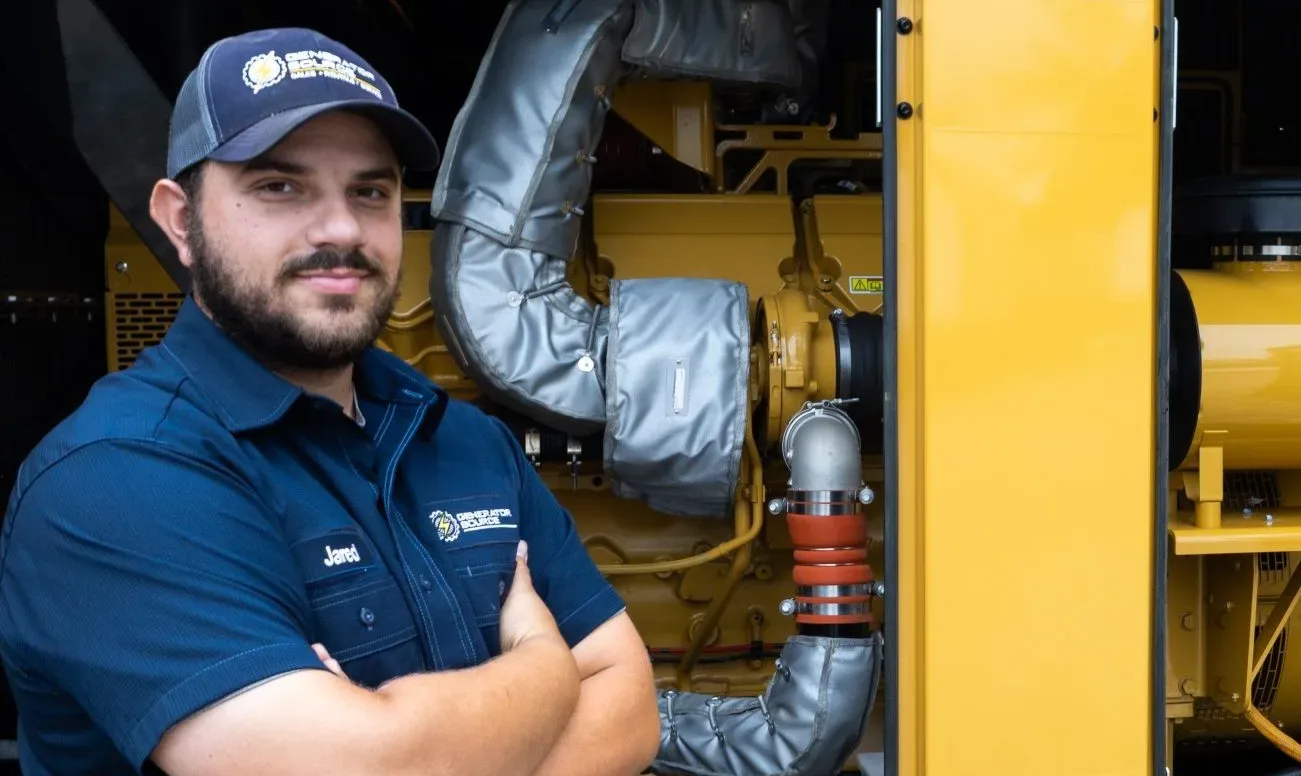
Generator fuel lines and connections being inspected for leaks
Fuel lines and connections deliver fuel cleanly and consistently to the engine. Leaks restrictions or air intrusion lead to hard starts uneven running or shutdowns under load.

System Function

Fuel supply system stores fuel and delivers it to the engine cleanly and consistently. Whether diesel tank with supply and return lines, natural gas feed with regulators and piping, or hybrid system, the goal is the same. A sealed properly routed delivery path that maintains stable flow and pressure when the generator takes load.

  • Leak-Free Delivery: All fuel connections must remain sealed under pressure and vibration preventing fuel loss, air intrusion, or vapor escape that compromises engine operation.
  • Proper Routing: Fuel lines must be routed away from heat sources and sharp edges with adequate support preventing chafing, kinking or stress that causes leaks or restrictions.

When problems develop you may see wet fittings or fuel odor, or have small leaks, restrictions, or air intrusion that lead to hard starts, uneven running, surging or shutdowns under load.

Fuel line inspection video

Video Thumbnail

Maintenance Schedule

How often should it be inspected?

How often should lines be replaced?

Storage and piping are inspected for leaks and routing, contamination or restriction, and fuel supply stability under load every quarter during PM1 inspections—not just whether the unit starts. Fuel lines and connections are pressure tested periodically to detect leaks before they cause operational problems.

Environmental Considerations: Fuel systems in earthquake zones require flexible connections and seismic restraints. Outdoor fuel lines exposed to UV deteriorate faster requiring protective covers. Underground fuel lines may experience corrosion from soil conditions. Generators in cold climates may experience fuel gelling in lines requiring insulation or heating systems.

How you can tell it is acting up

  • Fuel Odor Near Generator: Strong diesel or gas smell indicating leak in fuel supply or return lines.
  • Wet Connections or Staining: Fuel residue visible on fittings or lines revealing active or previous leaks.
  • Hard Starting After Sitting: Engine cranks extensively before starting suggesting air intrusion into fuel system overnight.
  • Engine Surging During Operation: RPM fluctuation under steady load indicating inconsistent fuel delivery from restriction or air intrusion.
  • Fuel Level Drops Without Running: Tank level decreases when generator is not operating revealing fuel leak in supply system.
Fuel system pressure testing equipment detecting leaks
Regular fuel system inspection prevents air intrusion and leaks. Pressure testing detects developing problems before they cause shutdown during emergency operation.

Most asked question

“I smell diesel occasionally but do not see any leaks—should I be concerned?”

Absolutely. Fuel odor indicates vapor escape even if no visible liquid leak exists. Small weeping leaks at fittings allow fuel to evaporate before forming visible puddles especially in warm environments or with air movement. Fuel vapor is flammable creating fire hazard particularly in enclosed generator rooms. Vapor also indicates air intrusion point in supply system. Air entering fuel system during shutdown causes hard starting and may allow fuel to drain back to tank requiring extensive cranking. We pressure test fuel systems during PM1 to detect leaks too small for visual inspection. Any fuel odor requires immediate investigation and repair regardless of visible evidence.

Frequently Asked Questions

How often should fuel lines be replaced?

Replace fuel lines based on condition not age. During quarterly PM1 inspections we evaluate lines for cracking, hardening, chafing or deterioration. Rubber fuel lines typically last 10 to 15 years but may require replacement sooner in harsh environments. Replace lines showing surface cracking, soft spots, or any visible deterioration. Hard or brittle lines have lost flexibility and will crack under vibration. Any line contacting hot surfaces or sharp edges requires immediate rerouting and replacement.

What causes air intrusion into fuel systems?

Loose fittings on suction side of fuel system allow air to enter when pump creates vacuum during cranking. Cracked or deteriorated fuel lines develop pinholes that admit air. O-rings and gaskets harden with age losing sealing capability. Fuel starvation from plugged filters creates high vacuum that draws air past normally sealed connections. Low fuel level in tank allows pump to draw air during vehicle motion or vibration. Any air in fuel system prevents starting or causes rough running requiring system bleeding.

Can I use automotive fuel line on my generator?

Not recommended. Generator fuel systems require specific hose types rated for diesel or natural gas service. Automotive fuel line may not resist diesel fuel causing swelling or deterioration. Fuel injection systems require hose rated for high pressure. Natural gas systems require hose compatible with gas and rated for gas pressure. Incorrect hose types deteriorate rapidly causing leaks or restrictions. Always use fuel line meeting generator manufacturer specifications for material type, pressure rating and temperature range.

Why must fuel lines be properly supported?

Unsupported fuel lines vibrate with engine operation causing fatigue failure at connections or creating chafing where lines contact other components. Vibration also loosens fittings allowing leaks or air intrusion. Proper support prevents stress concentration at fittings and maintains proper routing away from heat sources. Lines must have adequate flexibility to accommodate engine movement during operation without straining connections. Support spacing should follow manufacturer recommendations typically every 18 to 24 inches.

Schedule Service

Generator Source services every make and model of commercial and industrial generators from 20kW to 4000kW. Our EGSA-certified technicians bring 50+ years of experience, and we are the largest reseller of new and used commercial generators in the country.

Call 877-866-6895 to speak with a specialist today!

    [hidden select* first_as_label "Generator Service" "Purchase a Generator" "Rent a Generator" "Sell a Generator" "Other"]


    [hidden ip-address default:"[_remote_ip]

    "]


    Still have questions or looking for more information?

    Our Techs are EGSA Certified

    Our certified EGSA technicians deliver exceptional, hands-on expertise that our customers rely on. 

    EGSA Logo Fuel Line Inspection
    Maintenance Item
    31 Point Inspection Items / PM1
    Air Inlet System & Air Filter
    Alternator
    Barrel Insulation
    Batteries
    Battery Charger
    Bearing(s)
    Belts, Hoses & Connections
    Block Heater
    Breaker(s)
    Collect Oil & Coolant Samples
    Coolant & Coolant Filter(s)
    Crankcase Breather(s)
    Exhaust Manifold
    Fan and Fan Drive
    Fuel Filters – Prim/Sec
    Fuel Lines & Connections
    Fuel Tank & Rack
    Gauges
    Governor and controls
    Jacket Water Heater
    Oil & Oil Filter(s)
    Radiator
    Remote Annunciators/Alarms
    Safety Controls
    Starter
    Turbocharger(s)
    Valves and Valve Rotators
    Vibration Isolators
    Voltage
    Water Pump
    Water Separator

    We Service All Major Brands Including

    Cummins Commercial Generators logo
    rehlko Kohler Commercial Generators logo
    Caterpillar Commercial Generators logo
    Generac Commercial Generators logo
    Detroit Generators
    HiPower Commercial Generators logo
    multiquip logo png Fuel Line Inspection
    images Fuel Line Inspection
    Doosan Commercial Generators logo
    mtu logo Fuel Line Inspection
    Volvo commercial generators logo
    baldor commercial generators logo