Powering Industries for 50+ Years
Commercial Hurricane Preparedness
Generator Sales, Service, & Rentals
Don’t Just Survive the Storm. Lead the Recovery.
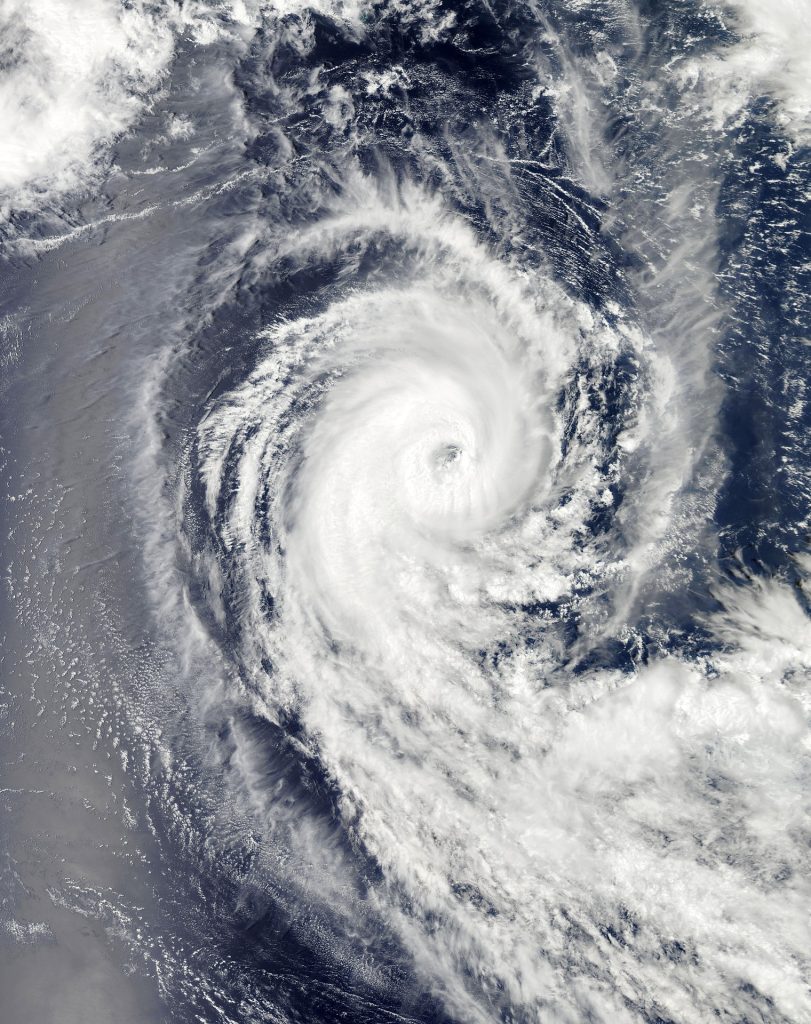
The Atlantic hurricane season runs from June 1 to November 30, a six month window where tropical cyclones frequently emerge from the Caribbean Sea and the Gulf of Mexico. For facilities across the coastal United States, monitoring the National Hurricane Center is a standard operational requirement. Understanding hurricane development is critical for adjusting readiness levels. As a storm intensifies on the Saffir Simpson scale, the transition from Category 1 to major hurricanes changes the mechanical requirements for standby power systems. High sustained wind speeds and the resulting storm surge can compromise even the most robust infrastructure.
For businesses in coastal regions from Texas, Louisiana, Florida, and Georgia to the Carolinas, hurricane preparedness is not optional. Each season brings a predictable threat to the power grid. In many cases, a multi-day power outage is not a possibility but an inevitability. In this environment, an emergency power strategy is more than a seasonal checklist.
It is a year-round commitment that defines a company’s ability to survive, recover, and thrive. Where unprepared competitors see a storm as a liability, resilient organizations see it as an opportunity to demonstrate reliability, serve their community, and gain decisive market advantage.
Phase 1: Before the Storm – The Readiness Window
The months leading up to hurricane season are the most critical time for preparation. Strategic investments in backup generators, fuel storage, and maintenance transform potential catastrophe into manageable disruption.
While diesel remains the standard for high density power, many facilities utilize natural gas standby generators. Natural gas systems offer a continuous fuel supply via underground gas lines, which can be an advantage when regional road closures prevent diesel deliveries. However, engineers must verify that local gas lines are buried below the projected depth of storm surge and soil erosion. For organizations prioritizing fuel autonomy, on site diesel storage remains the most reliable solution during the peak of the Atlantic hurricane season.
Hardening a facility against tropical cyclones requires structural engineering that accounts for both sustained wind and sudden gusts. Enclosures must be rated for the specific pressures associated with major hurricanes. Mountings must be verified to ensure that standby generators remain anchored to their pads if a storm surge inundates the site. This level of physical hardening provides the operational peace of mind necessary for facility managers to focus on broader emergency management tasks during a crisis.
The Asset
Generator Health Check
Your generator is the heart of your Emergency Power Supply System (EPSS). A certified pre-season inspection ensures reliability under long-duration stress.
Battery System Integrity
Battery failure is the number one cause of generator start failure. Implement conductance testing rather than simple voltage checks to determine the internal health of the cells. Salt air in coastal regions accelerates terminal corrosion. Proactive replacement of Lead Acid batteries every 24 to 36 months is a necessary investment that prevents downtime.
Fluid Analysis
Schedule laboratory analysis for engine oil, coolant, and diesel fuel. Oil analysis detects early engine wear and metallic wear patterns that indicate bearing or piston ring degradation. Coolant testing monitors Supplemental Coolant Additive levels to prevent liner pitting and overheating during extended outages. Diesel fuel testing identifies contamination or microbial growth. Use fuel polishing to remove contaminants that would otherwise clog 10 micron filters during a 48 hour continuous run.
Annual Load Bank Testing
Required by NFPA 110 for critical facilities and recommended for all commercial operations. Perform an annual resistive load bank test at a minimum of 30% of the nameplate rating for 30 minutes, or at higher tiers for Level 1 facilities. This validates power output, cooling performance, and prevents wet stacking in diesel units. For critical healthcare facilities, a 2 hour or 4 hour test is the standard for verifying the integrity of the entire power train under full load.
The Lifeline
Fuel Strategy
A robust fuel strategy requires more than a full tank. It requires an engineering approach to storage and supply chain logistics.
On-Site Diesel Storage
Large anchored tanks provide independence when pipelines or deliveries are disrupted. Utilize UL 142 or UL 2085 double-wall tanks for secondary containment. Calculate total on-site capacity based on projected consumption rates. A 500kW generator running at 75% load typically consumes 28 gallons per hour. A 72 hour continuous run requires 2,016 gallons of usable fuel.
Priority Fuel Contracts
A pre-arranged delivery contract ensures your facility is first in line once roads reopen. Priority fuel contracts must specify a guaranteed response time window. Ensure your vendor has multi-source terminal access to avoid regional outages that affect single-source distributors.
The Fortress
Hardening the Installation
The generator enclosure and mounting system are the primary defenses against high wind and water intrusion.
Hurricane-Rated Enclosures
Specify enclosures with Miami-Dade Notice of Acceptance for wind speeds up to 180mph. Marine-grade aluminum construction is the technical standard for any installation within five miles of the coast to prevent salt-spray oxidation of the skin and intake louvers.
Secure Mounting
Concrete pads must be sized to prevent shifting during saturated soil conditions. Use stainless steel mechanical or epoxy anchors for mounting the skid to the pad. Units and tanks must be engineered to withstand flooding and wind pressure.
Protected Ancillary Systems
Automatic Transfer Switches, conduit, and fuel lines must be shielded from water intrusion and elevated where possible to reduce flood risk. Ensure all electrical conduit and fuel lines are flexible enough to withstand minor structural vibration while remaining sealed against driving rain.
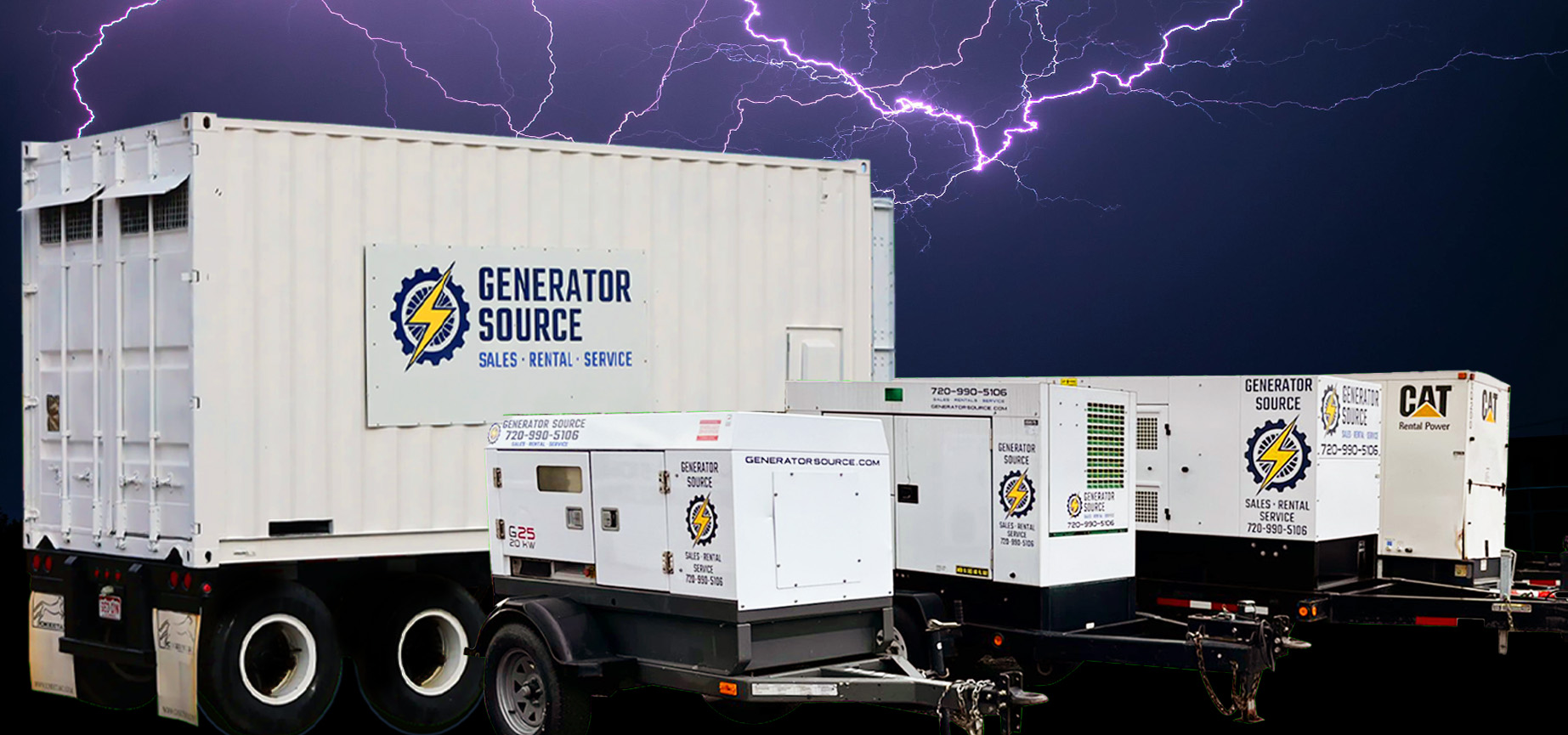
Generator rentals ready to deploy.
We have fleets of 20kW-4000kW generators ready to deploy at a moment’s notice. Talk to our team today to learn more about availability, pricing, and reserving rentals units ahead of time.
Phase 2: During the Storm – Maintaining Continuity
When utility voltage drops below a programmed threshold, the Automatic Transfer Switch initiates a start signal after a momentary time delay to prevent nuisance starts. Once the generator reaches rated voltage and frequency, the switch transfers the load. The facility remains operational and secure.
A transfer switch is the critical interface between the utility grid and your emergency power supply. When the National Hurricane Center confirms landfall and the utility grid fails, the transfer switch must execute a seamless transition to prevent prolonged power outages.
Emergency management protocols should dictate the exact sequence of operation for standby generators. During major hurricanes, the priority is maintaining life safety systems and structural integrity. Monitoring real time sustained wind data allows operators to make informed decisions about manual load shedding if the primary power system sustains damage.
Critical systems remain powered
Automatic Transfer Switch Architecture
Standard transfer switches are sufficient for many applications, but critical facilities require Bypass Isolation Transfer Switches. This mechanical architecture allows engineers to isolate and repair the primary switching mechanism without interrupting backup power to the building.
Remote Telemetry and Diagnostics
Modern controllers utilizing Modbus or SNMP protocols allow facility managers to monitor telemetry from a secure offsite location. Critical data points required during a storm include real-time fuel consumption, oil pressure, coolant temperature, and alternator output frequency.
NEC Load Prioritization and Sequencing
Proper facility management requires load shedding and prioritization based on National Electrical Code standards.
Life Safety Systems under NEC 700 require emergency power to engage within 10 seconds. This covers egress emergency lighting, fire pumps, and critical medical equipment.
Data and Security Systems rely on generators working in tandem with Uninterruptible Power Supply systems. The UPS handles the initial 10 second gap, providing clean power to point-of-sale terminals, servers, and cameras until the generator assumes the load.
HVAC and Refrigeration load sequencing is critical. When a 500kW or 1,000kW system assumes the facility load, managing the inrush current from restarting compressors is essential. Staggered load sequencing prevents the alternator from experiencing transient voltage dips, which protects sensitive inventory in cold storage, grocery stores, and pharmacies.
Phase 3: Post Event Operational Continuity
Prolonged grid outages require transitioning from emergency response to sustained operations. Facilities equipped with robust power systems maintain operational capabilities while regional infrastructure is rebuilt. The financial return on an EPSS is realized through protected revenue, minimized inventory loss, and continued service capability.
Once the immediate threat of tropical cyclones has passed, the focus shifts to regional recovery. Facilities that maintained power during the Atlantic hurricane season become anchors for their communities. Effective hurricane preparedness allows a business to resume full operations while competitors are still assessing damage from power outages and storm surge.
The return on investment for high quality standby generators is found in the ability to remain operational from June 1 to November 30 without interruption. Integrating a robust transfer switch, maintaining secure gas lines, and adhering to emergency management best practices ensures that your facility is ready for any event on the Saffir Simpson scale.
Industry Specific Continuity Logistics
Following a multi day continuous run, the generator requires immediate servicing to reset its readiness state. Engines running at high continuous loads consume oil and degrade fluid viscosity. Schedule an immediate service interval depending on the duration of the outage. This includes full oil and filter replacements, primary and secondary fuel filter changes, and a complete inspection of the alternator windings for salt or debris intrusion. Refill on site storage tanks to maximum capacity to prepare for secondary weather events or rolling blackouts during grid reconstruction.
- Operational facilities serve as critical infrastructure during regional recovery. Maintaining power ensures continuity across essential commercial sectors.
- Grocery and Cold Storage: Maintaining continuous refrigeration prevents total inventory loss and provides essential food and water supplies to the affected region.
- Hospitality and Lodging: Hotels operating on 500kW to 1,000kW backup systems provide climate controlled staging areas for federal emergency management and displaced residents.
- Fuel Depots and Retail Stations: Operational pump infrastructure enables regional transportation and logistical recovery for heavy equipment and emergency vehicles.
- Financial Institutions: Secure data links and operational ATMs maintain transaction capabilities and cash access when regional utility networks fail.
FAQs: Commercial Hurricane Power Systems
How much diesel fuel does a 500kW generator consume during a hurricane?
Fuel consumption varies based on electrical load. A 500kW generator operating at 75% load typically consumes 28 gallons of diesel per hour. For a 72 hour continuous run, the facility requires a minimum of 2,016 gallons of usable fuel. A 1,000kW unit at the same load profile consumes approximately 51 gallons per hour, requiring 3,672 gallons for a three day outage.
What are the Miami-Dade requirements for generator enclosures?
In high velocity hurricane zones, enclosures must have a Notice of Acceptance (NOA) signifying they have been tested for wind speeds up to 180mph. These structures must also resist large missile impacts and salt spray corrosion. Marine grade aluminum is the technical standard for coastal installations to prevent structural oxidation.
What is the difference between NFPA 110 Level 1 and Level 2 systems?
NFPA 110 Level 1 systems are mandatory for installations where equipment failure could result in loss of human life, such as hospital life safety branches and fire pumps. Level 2 systems are for applications where power failure is less critical to human safety but essential for property protection or operational continuity, such as data centers or cold storage facilities.
Why is conductance testing better than voltage testing for generator batteries?
Voltage testing only measures the electrical potential of the battery and can show a full charge even if the internal plates are degraded. Conductance testing measures the ability of the battery to conduct current and move power through the cells. Since battery failure is the primary cause of generator start failure, conductance testing provides a more accurate assessment of whether the battery will survive the high inrush current required during a storm event.
Does my facility need a bypass isolation transfer switch?
A bypass isolation transfer switch is recommended for any facility that cannot afford a scheduled power outage for maintenance. This architecture allows the primary transfer switch to be removed for service or repair after a storm while the generator or utility continues to power the building through a secondary bypass manual or automatic mechanism.
How often should fuel polishing be performed?
Fuel polishing should be performed annually or whenever laboratory analysis identifies microbial growth, water emulsion, or particulate sediment. In humid coastal environments, condensation in the tank can lead to fuel degradation within six to twelve months. Regular polishing maintains fuel stability and prevents the 10 micron filters on a 150kW to 2,000kW engine from clogging during an extended emergency run.
What is the standard load bank test duration for a healthcare facility?
For Level 1 healthcare facilities, NFPA 110 requires an annual load bank test. The typical protocol involves a 2 hour to 4 hour test where the unit is run at various load stages, reaching at least 30% of the nameplate rating to ensure the cooling system and alternator can maintain thermal equilibrium under load.
The Generator Source Difference
Our team will evaluate your current power setup, identify gaps, and recommend the right generator size, transfer switch configuration, and fuel plan for your site. We will also review load priorities, runtime expectations, and compliance requirements so your emergency power system performs exactly as intended when the grid goes down.
A Pre-Hurricane Readiness Assessment can include:
- Load review and critical circuit prioritization
- Generator sizing and redundancy planning
- Fuel storage, delivery options, and runtime modeling
- Transfer switch testing and control system checks
- Preventive maintenance, battery health, and coolant/filtration inspection
- Documentation and a clear action plan with timelines
24/7 Service Available
Generator Source Locations
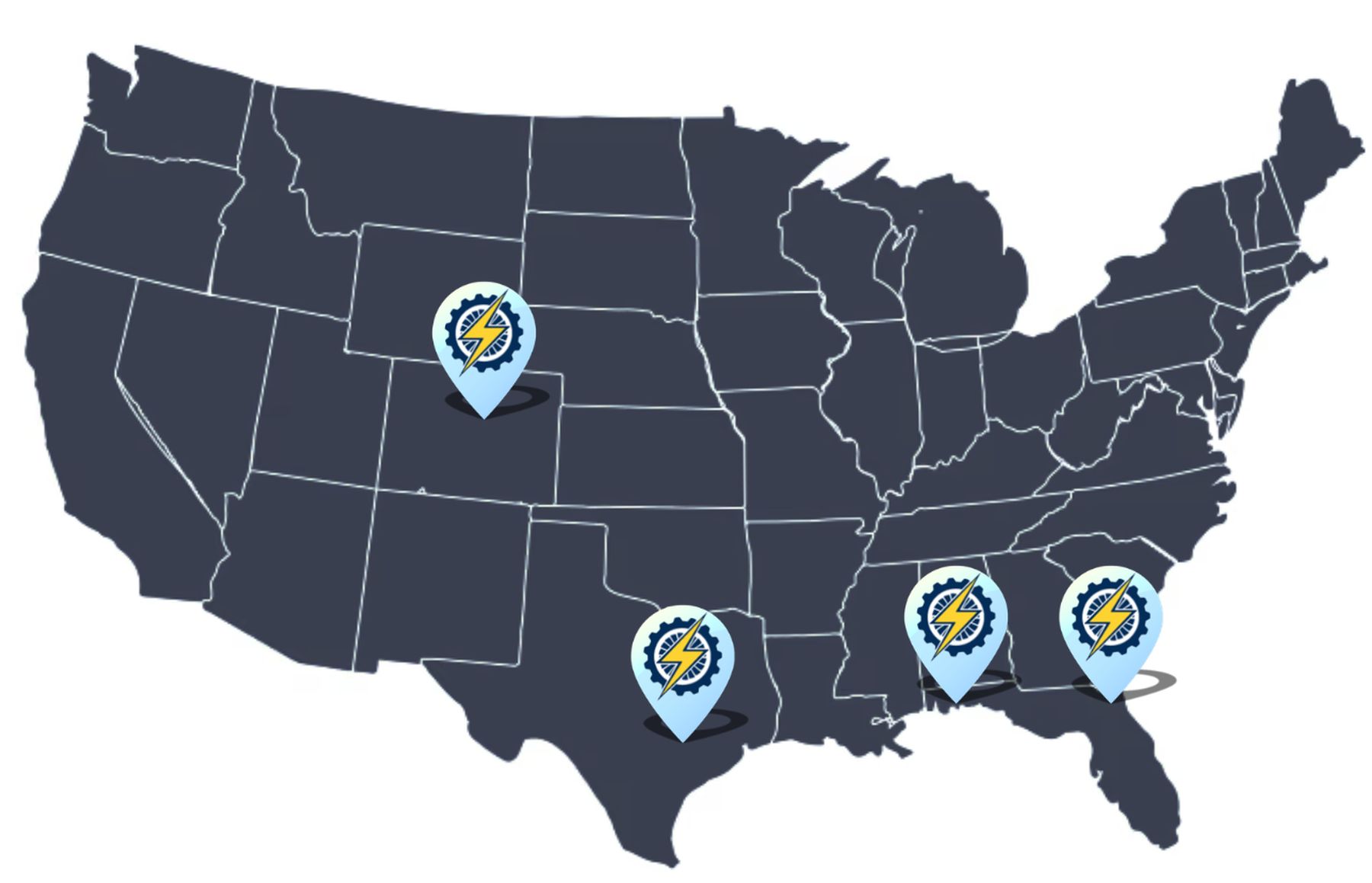
With 24/7 service, nationwide shipping, and state-of-the-art facilities across Colorado, Florida, and Texas, Generator Source is your trusted partner for power solutions wherever you are.

From Expense to Strategic Asset
In hurricane-prone regions, a backup generator and readiness plan are not expenses. They are strategic investments in continuity, market leadership, and community service. With the right equipment, a strong fuel strategy, and consistent maintenance, you can transform hurricane season into a predictable operational challenge instead of a devastating event. The time to prepare is now, not when a storm is already on the forecast.
Ready to build your facility’s resilience?
Contact Generator Source today to schedule a comprehensive Pre-Hurricane Readiness Assessment.
Still have questions or looking for more information?
Generator Source specializes in low-hour, used, new, and surplus generator sets. We have a wide variety of generator sizes and models to fit any project. We are not a broker, we own what we sell.
Call us today (877-866-6895) or click Contact Us to be connected with one of our experienced sales reps.
We have 350+ generators in stock and ready to ship!