Battery Inspection & Service
System Function
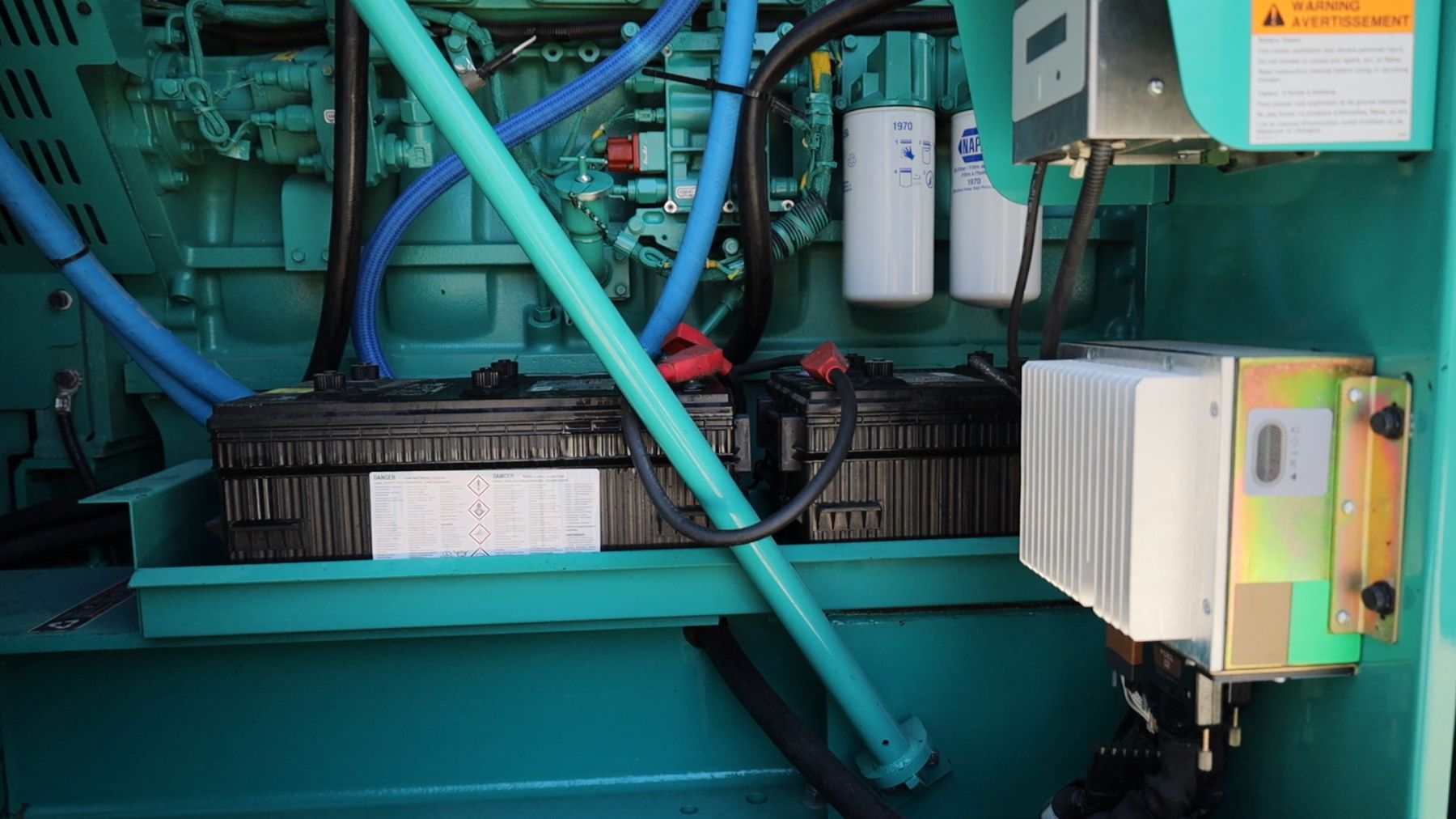
Generator batteries provide the current needed to power the starter and support control circuits during cranking. They must deliver that current instantly when utility power fails and the generator is called to start. As batteries age, cranking capacity drops even when voltage looks normal at rest.
- Cranking Power: Batteries must deliver hundreds of amps instantly to turn the starter motor and overcome engine compression during cold starts.
- Control Circuit Support: Beyond starting, batteries power the controller, fuel solenoids, and safety circuits that manage generator operation during power transfer.
Weak batteries lead to slow cranking, failed starts or intermittent starts, especially in colder weather. Repeated low voltage cranking also stresses the starter and the starter wiring.
Battery inspection & service video
Maintenance Schedule
How often should it be inspected?
Batteries are checked for age, terminal condition, connection tightness, and load performance every quarter during PM1 inspections—not just a quick voltage reading. Load testing reveals actual cranking capacity under realistic starting conditions.
Environmental Considerations: Battery life varies dramatically by climate. In hot environments like Texas and Florida, heat accelerates sulfation and electrolyte evaporation, shortening battery life. In colder climates, batteries last longer but require higher cranking amps, making load testing even more critical.
How you can tell it is acting up
- Slow Cranking Speed: Engine turns over sluggishly, taking longer than normal to reach starting RPM.
- Clicking Sound During Start Attempt: Starter solenoid engages but lacks power to turn the engine over.
- Dimming Controller Display: Screen brightness drops or flickers during cranking as voltage sags.
- Failed Starts After Sitting Idle: Generator that previously started reliably now fails after periods of inactivity.
- Corroded or Swollen Battery Terminals: Visible sulfation or battery case distortion indicating internal failure.
Most asked question
“The batteries show 12.6V on my multimeter—are they good?”
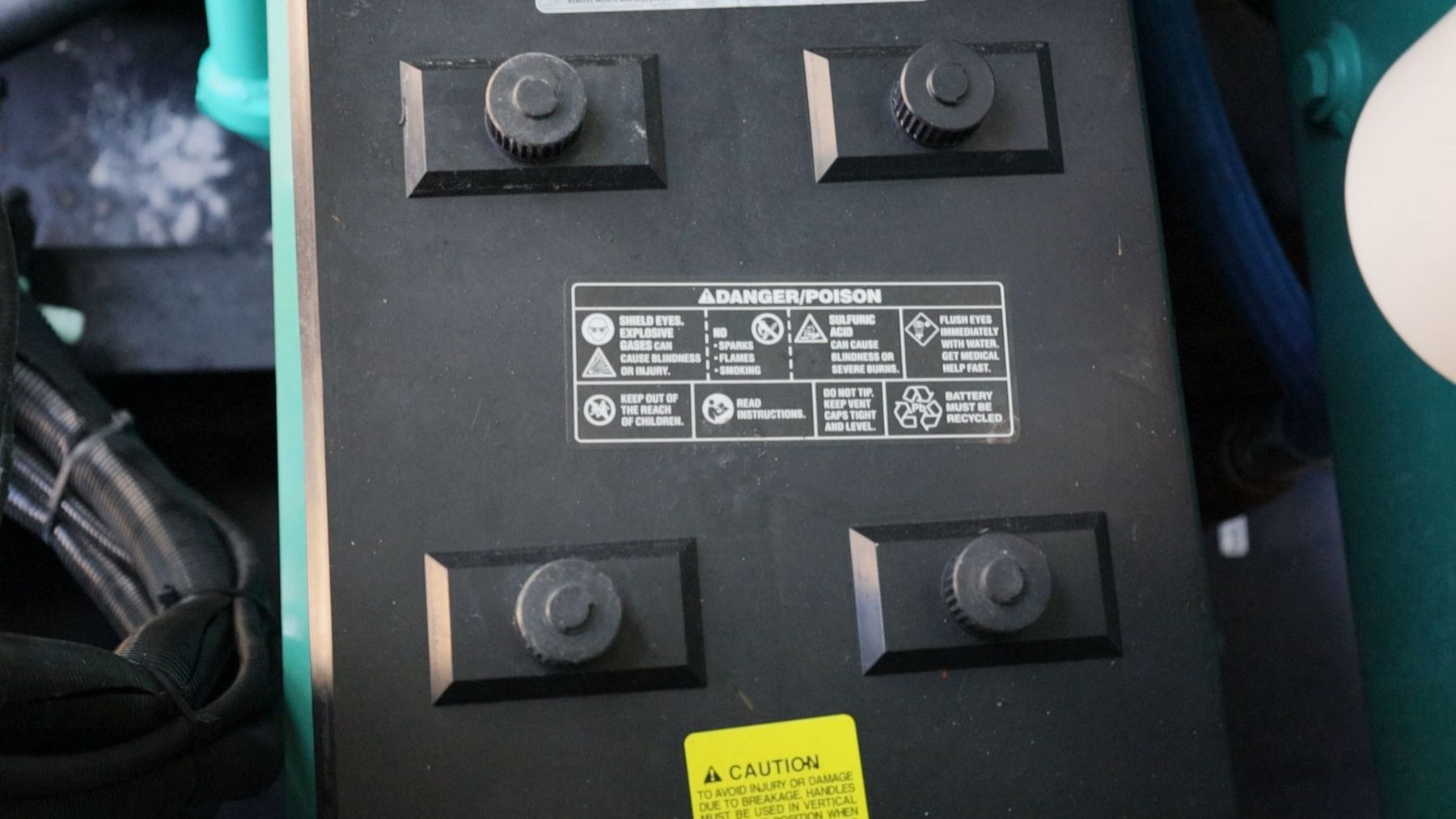
Not necessarily. Resting voltage only shows battery charge level, not cranking capacity. A sulfated battery can show perfect voltage when not under load but collapse instantly when asked to deliver hundreds of amps during starting. This is why we perform load testing—applying actual cranking current for 15 seconds while monitoring voltage drop. Only this test reveals whether batteries can deliver power when your facility needs it most.
Frequently Asked Questions
How long do generator batteries typically last?
Generator battery lifespan varies dramatically by climate and usage. In moderate climates with proper maintenance batteries last 4 to 5 years. In hot environments like Texas and Florida heat accelerates sulfation reducing lifespan to 3 years or less. Batteries subjected to frequent deep discharge or extended periods without charging fail even faster. This is why quarterly inspection and load testing are critical regardless of battery age.
What causes batteries to fail prematurely?
Generator battery lifespan varies dramatically by climate and usage. In moderate climates with proper maintenance batteries last 4 to 5 years. In hot environments like Texas and Florida heat accelerates sulfation reducing lifespan to 3 years or less. Batteries subjected to frequent deep discharge or extended periods without charging fail even faster. This is why quarterly inspection and load testing are critical regardless of battery age.
Can I use automotive batteries in my generator?
No. Automotive batteries are designed for brief high current starting then immediate recharge by the alternator. Generator batteries must sit idle for months delivering only trickle current to control circuits then provide full cranking power instantly. This requires deep cycle construction with thicker plates and different chemistry. Using automotive batteries results in premature failure and unreliable starting when you need power most.
Should I disconnect batteries when the generator sits unused?
No. Generator batteries must remain connected to the battery charger which maintains charge and prevents sulfation. Disconnecting batteries allows self discharge which damages the plates and reduces capacity. Modern battery chargers provide precisely regulated float voltage that keeps batteries healthy during extended idle periods. The only exception is if you are storing a generator in freezing temperatures without a working battery charger.
Service Request
Still have questions?
Generator Source specializes in low-hour, used, new, and surplus generator sets. We have a wide variety of generator sizes and models to fit any project. We are not a broker, we own what we sell.
Call us today (877-866-6895) or click Contact Us to be connected with one of our experienced sales reps.
We have 350+ generators in stock and ready to ship!

31 Point PM1 Service Items Pages
We Service All Major Brands Including