Coolant & Filter Maintenance
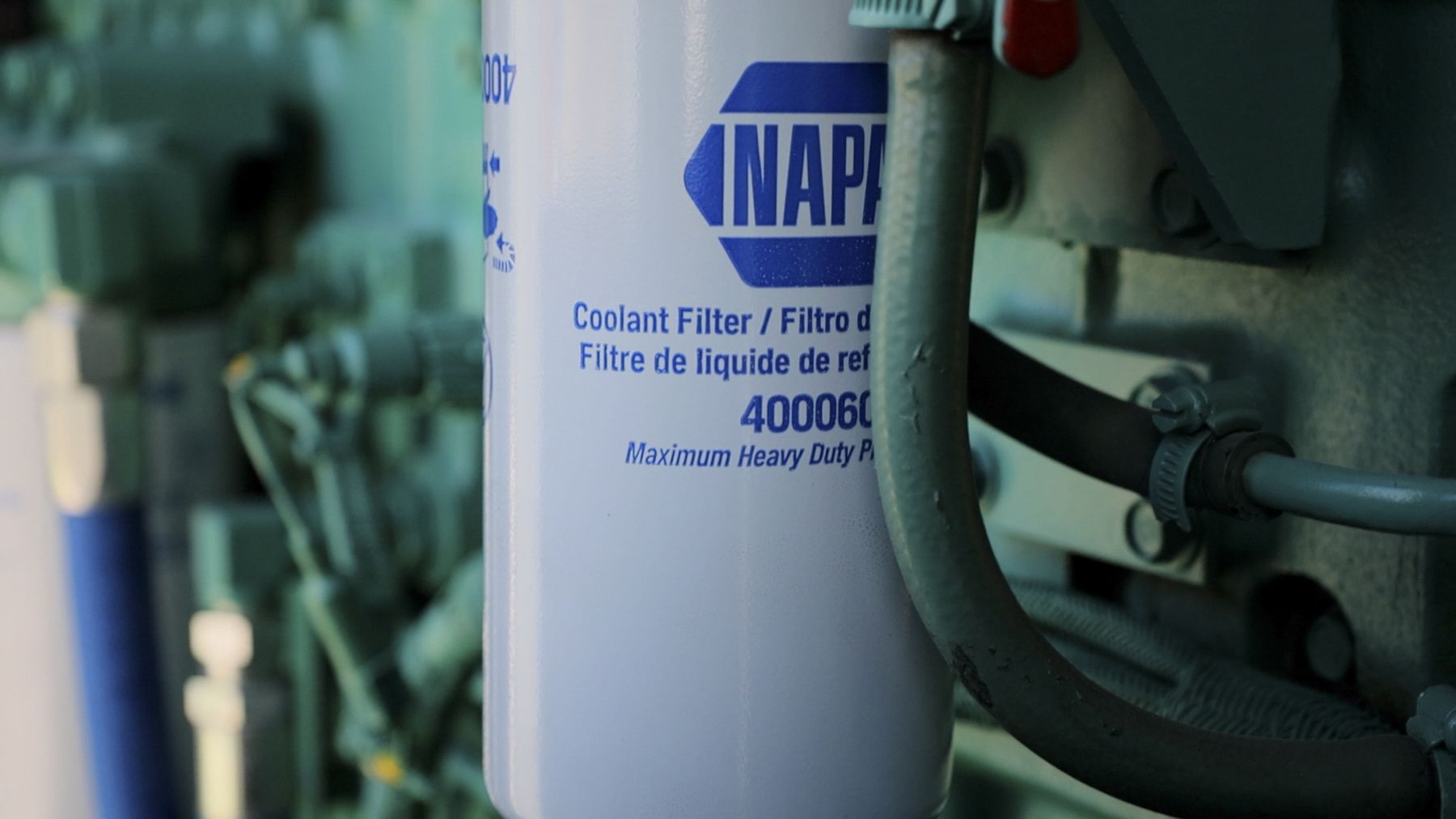
System Function
Coolant regulates heat from the engine while protecting against corrosion, scale and freezing. Coolant filters help trap contaminants and maintain coolant chemistry so passages stay clean and heat transfer stays consistent. When coolant breaks down or becomes contaminated, corrosion and deposits build inside the engine and radiator reducing cooling efficiency.
- Heat Transfer: Coolant absorbs combustion heat from cylinder walls and heads then transfers it to the radiator where air cooling removes the heat maintaining proper engine temperature.
- Corrosion Protection: Chemical additives in coolant prevent rust formation in iron components electrolytic corrosion in aluminum parts and cavitation damage on cylinder liners.
Poor coolant condition can also damage seals and sensors and contribute to overheating events or unexpected leaks under load.
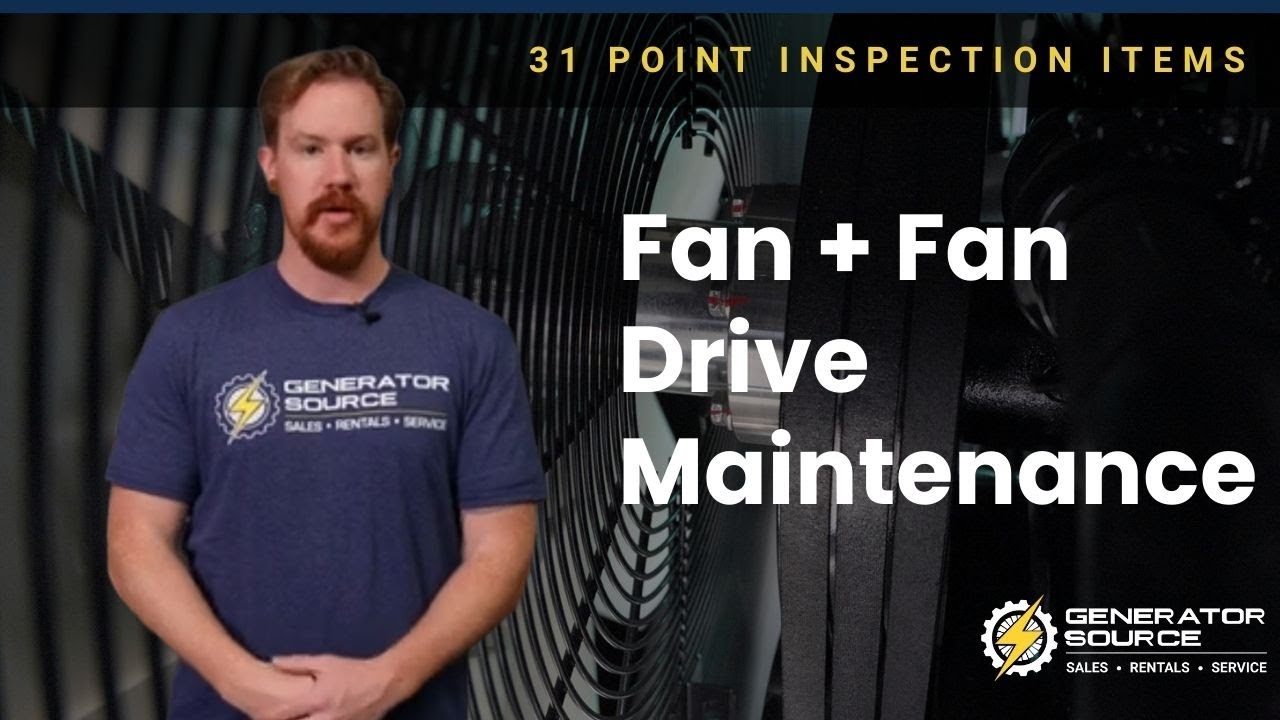
Coolant and filter maintenance video
Maintenance Schedule
How often should it be inspected?
How often should coolant be replaced?
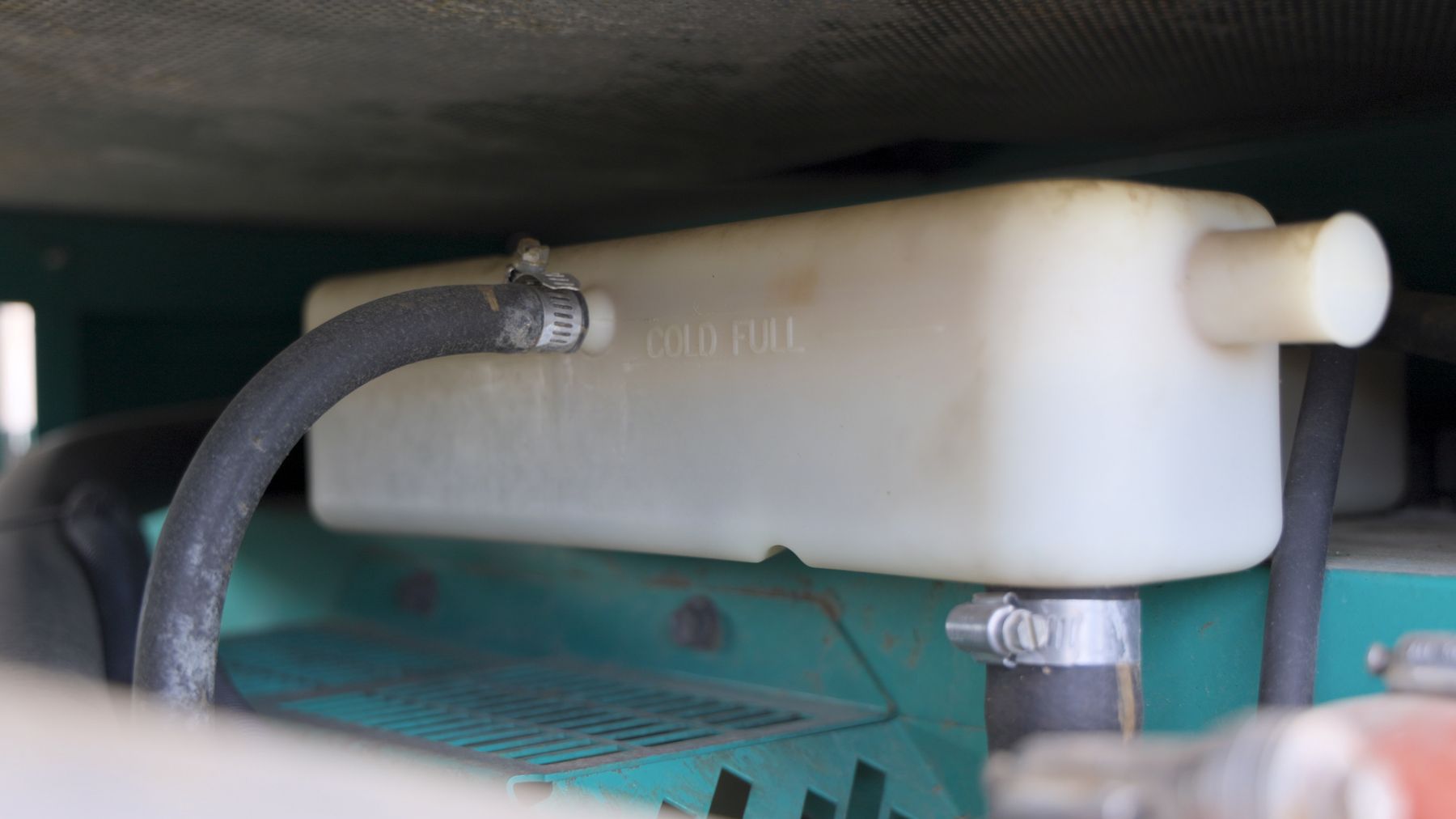
Coolant is checked for condition, concentration, contamination signs, and filter condition every quarter during PM1 inspections—not just the level in the overflow bottle. Coolant is typically replaced every 3 to 6 years and filters annually during PM3 service.
Environmental Considerations: Hard water areas cause mineral scaling requiring more frequent coolant testing and filter changes. Hot climates accelerate coolant breakdown. Generators operating infrequently may experience coolant settling or additive stratification.
How you can tell it is acting up
- Rusty or Discolored Coolant: Orange, brown or cloudy appearance indicating corrosion or contamination.
- Low Coolant Level: Frequent need to add coolant despite no visible leaks.
- Overheating Alarms: Engine temperature rising above normal indicating restricted coolant flow.
- White Residue on Components: Crusty deposits on radiator cap or hoses suggesting coolant leaks.
- Oil in Coolant or Coolant in Oil: Milky appearance revealing head gasket failure or oil cooler leak.
Most asked question
“Can I just add water when coolant is low instead of premixed coolant?”
No. Adding plain water dilutes the antifreeze concentration and more critically dilutes corrosion inhibitors that protect internal engine components. Even in warm climates proper coolant concentration is essential because the corrosion inhibitors not the antifreeze are what prevent internal engine damage. Plain water lacks proper chemistry to prevent electrolytic corrosion in aluminum components or cavitation damage on cylinder liners. When coolant is low always add premixed 50/50 coolant or mix concentrated antifreeze with distilled water never tap water.
Frequently Asked Questions
How often should coolant be completely replaced?
Coolant should be replaced every 3 to 6 years based on condition testing not just time. Extended life coolants may last longer but still require periodic testing. Coolant contaminated with oil or experiencing rapid pH drop requires immediate replacement. During coolant replacement the entire system should be flushed to remove accumulated deposits.
What is the difference between coolant types and can they be mixed?
Traditional green coolant uses inorganic additive technology requiring replacement every 2 to 3 years. Extended life orange or red coolants use organic acid technology lasting 5 years. Different coolant types should NOT be mixed as inhibitor packages may be incompatible. When changing coolant types complete system flush is required.
Why do coolant filters matter?
Coolant filters trap rust particles, scale and other contaminants that accumulate in cooling systems. Some filters contain supplemental coolant additives that slowly release maintaining inhibitor concentration between changes. Without filtration contaminants circulate damaging water pump seals and plugging radiator passages.
What should coolant test results show?
Proper coolant should test for freeze point matching climate requirements typically minus 34F for 50/50 mix, pH between 8 and 11 to prevent corrosion, adequate reserve alkalinity indicating remaining inhibitor life, and minimal contamination. Rapid pH drop or low reserve alkalinity indicates coolant needs replacement even if appearance seems fine.
Service Request
Still have questions?
Generator Source specializes in low-hour, used, new, and surplus generator sets. We have a wide variety of generator sizes and models to fit any project. We are not a broker, we own what we sell.
Call us today (877-866-6895) or click Contact Us to be connected with one of our experienced sales reps.
We have 350+ generators in stock and ready to ship!
31 Point PM1 Service Items Pages
We Service All Major Brands Including