Crankcase Breather
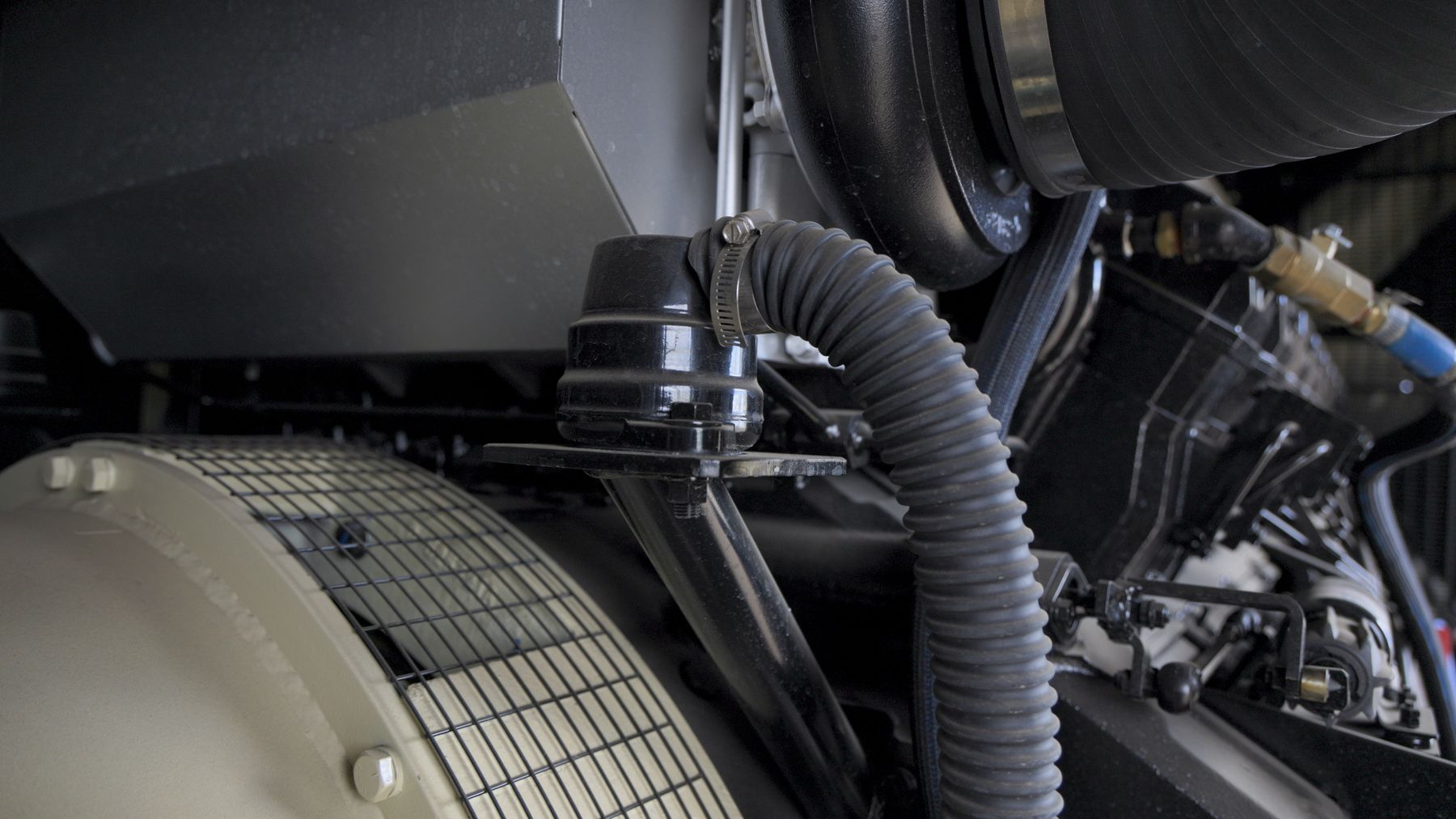
System Function
The crankcase breather relieves internal engine pressure created during combustion and allows gases to vent safely. Proper ventilation protects against oil leaks at seals and helps the engine control normal blow-by. When the breather becomes restricted, crankcase pressure rises and pushes oil past seals and gaskets creating leaks and oil consumption.
- Pressure Relief: The breather allows combustion gases that slip past piston rings to escape preventing positive pressure buildup in the crankcase that would force oil past seals.
- Oil Separation: Modern breathers incorporate baffles or filter elements that separate oil mist from blow-by gases allowing clean air to vent while returning captured oil to the crankcase.
Excess pressure can also drive oil mist into intake components and accelerate contamination in the air system.
Crankcase breather inspection video

Maintenance Schedule
How often should it be inspected?
Crankcase breathers are inspected for restriction, contamination and proper ventilation flow every quarter during PM1 inspections.
Environmental Considerations: Generators in dusty environments require more frequent breather inspection as external contamination can plug vent passages. Cold climates may experience moisture freezing in breather passages. High load operation or worn engines produce more blow-by requiring more frequent breather service.
How you can tell it is acting up
- Oil Leaks at Gaskets or Seals: Visible oil seepage at valve cover gaskets or crankshaft seals indicating excessive crankcase pressure.
- Excessive Oil Consumption: Oil level drops significantly between services without visible external leaks.
- Oil in Air Cleaner or Intake: Oil residue visible in air filter housing revealing crankcase pressure forcing oil through breather.
- White Smoke from Exhaust: Continuous white smoke suggesting oil consumption from crankcase pressure issues.
- Breather Filter Saturated with Oil: Breather element completely oil soaked indicating excessive blow-by or restriction.
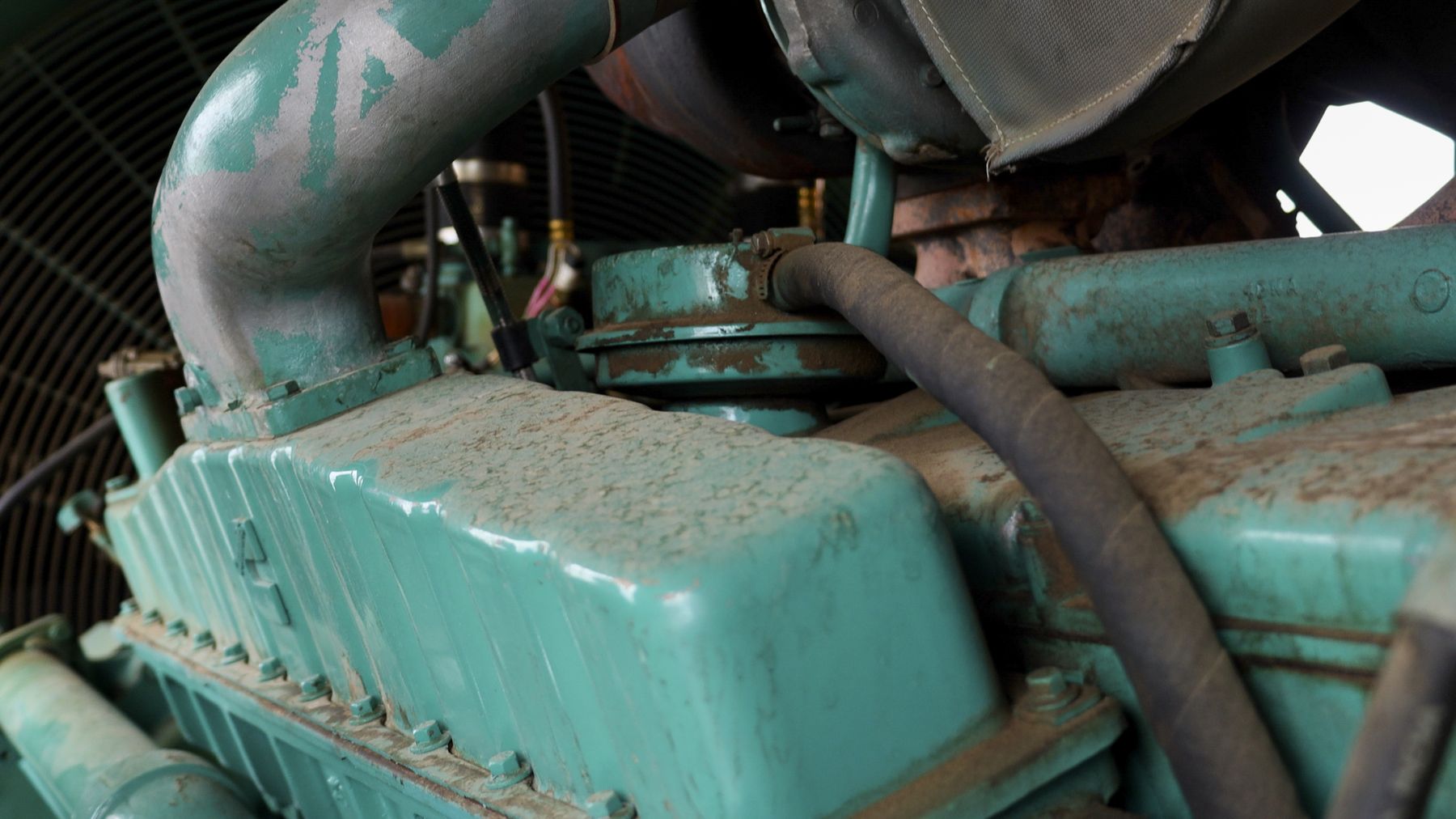
Most asked question
“I have small oil leaks around gaskets—could the breather really be causing this?”
Absolutely. Restricted crankcase breathers create positive pressure inside the engine that forces oil past every seal and gasket. Many technicians waste time replacing gaskets repeatedly without addressing the root cause restricted breather ventilation. A properly functioning breather maintains slight negative pressure or atmospheric pressure in the crankcase preventing oil from being forced past seals. Before replacing multiple gaskets verify your crankcase breather is flowing freely and not restricted by contamination. The breather is an inexpensive component but its failure causes expensive oil leaks throughout the engine.
Frequently Asked Questions
How do I test if my crankcase breather is restricted?
Remove oil fill cap during idle. If you feel strong pressure or puffing you have excessive crankcase pressure indicating restricted breather or excessive blow-by from worn rings. Breather should allow gentle airflow without strong pressure pulses. Inspect breather element for oil saturation or visible contamination. Feel breather vent tube for strong airflow indicating proper ventilation.
What causes excessive crankcase pressure besides restricted breather?
Worn piston rings allow excessive combustion gases to blow past into crankcase overwhelming breather capacity. Worn cylinder walls create poor sealing. Glazed cylinder bores from insufficient break-in prevent proper ring sealing. Broken or stuck piston rings lose all sealing capability. In these cases even a functioning breather cannot relieve pressure fast enough requiring engine repair.
Can I clean and reuse breather filters?
Depends on breather design. Simple mesh elements can sometimes be cleaned with solvent if not damaged. Fibrous paper elements cannot be effectively cleaned and must be replaced. Given the low cost of breather elements compared to damage from restricted breathers replacement is recommended over attempting to clean and reuse.
Why does oil get into my air intake system?
Restricted or saturated crankcase breather forces oil-laden blow-by gases into air intake instead of venting to atmosphere. Excessive blow-by from worn rings overwhelms breather capacity. Turbocharger seal wear allows oil to enter intake. Oil in intake coats air filter and can cause combustion problems requiring breather repair or engine service.
Service Request
Still have questions?
Generator Source specializes in low-hour, used, new, and surplus generator sets. We have a wide variety of generator sizes and models to fit any project. We are not a broker, we own what we sell.
Call us today (877-866-6895) or click Contact Us to be connected with one of our experienced sales reps.
We have 350+ generators in stock and ready to ship!

31 Point PM1 Service Items Pages
We Service All Major Brands Including