Jacket Water Heater Maintenance
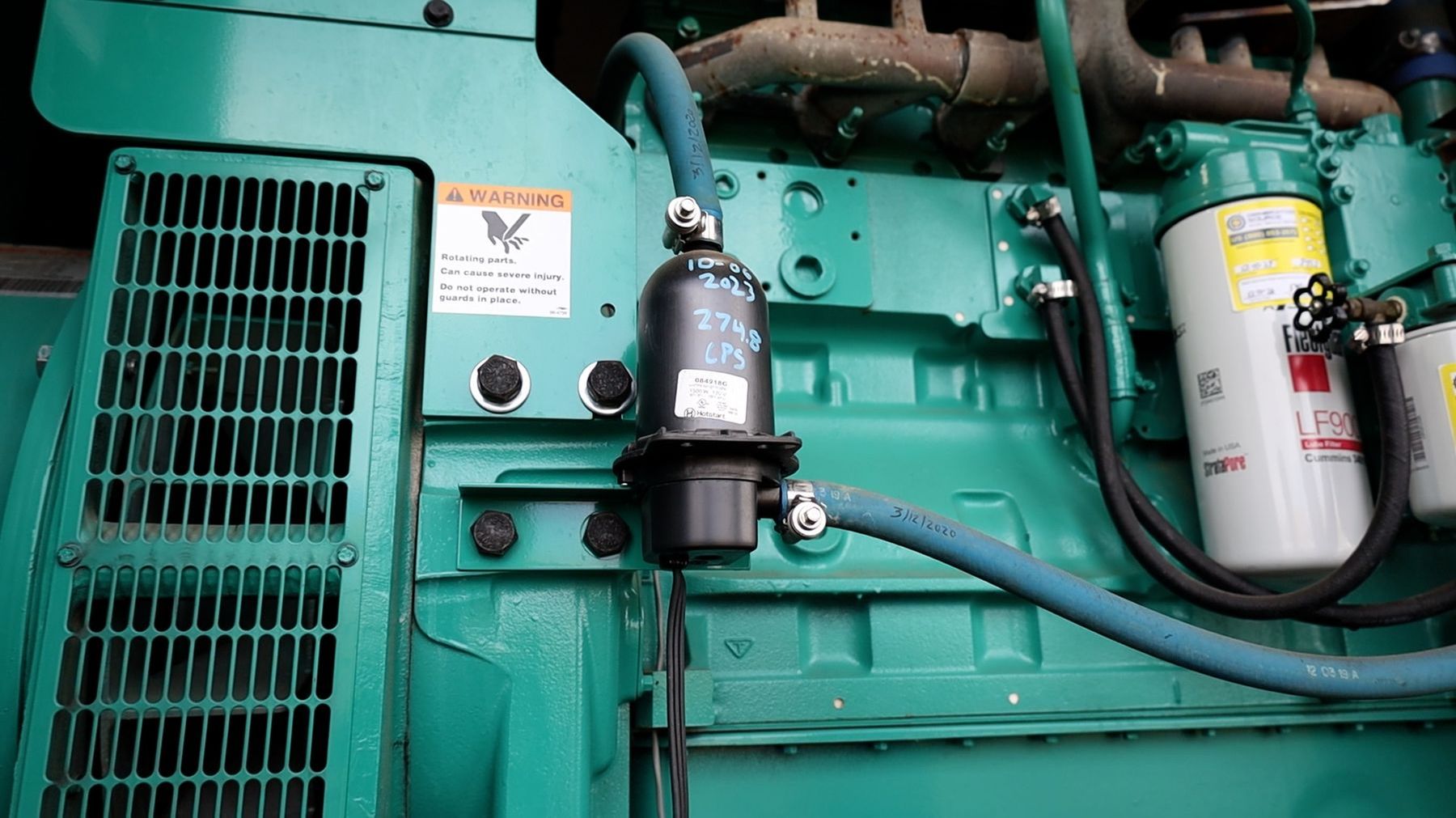
System Function
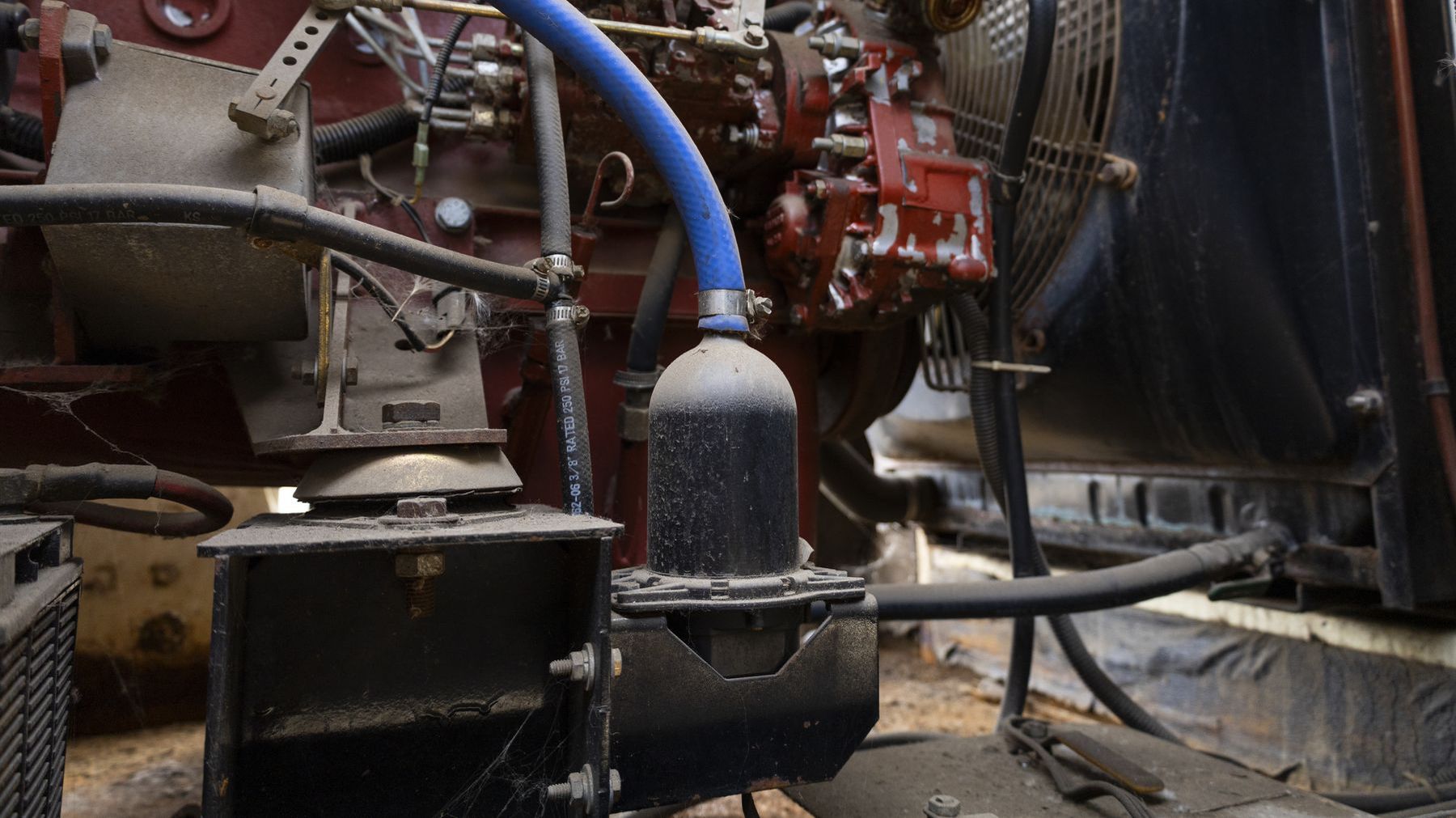
The jacket water heater is designed to keep the engine warm while the generator is offline. The jacket water heater circulates heated coolant throughout the engine maintaining proper engine temperatures so oil flows correctly and the engine can reach starting speed quickly.
- Coolant Circulation: Jacket water heater heats coolant and circulates it through engine block and cylinder heads distributing warmth evenly throughout entire engine rather than single point heating.
- System Temperature Maintenance: Continuous circulation prevents cold spots and maintains consistent temperature throughout engine ensuring all components remain warm and ready for immediate operation.
When jacket water heaters fail the engine starts cold. Cold starts increase internal friction slowing cranking speed delaying oil circulation and placing additional load on starter and batteries. On larger engines failed jacket water heater can lead to extended crank times or no-start conditions in cold weather.
Jacket water heater testing video
Maintenance Schedule
How often should it be tested?
Jacket water heaters are checked for proper circulation coolant temperature electrical draw and pump operation every quarter during PM1 inspections—not just whether the engine eventually starts.
Environmental Considerations: Jacket water heaters in cold climates experience higher duty cycles requiring more frequent inspection. Generators with outdoor installations face exposure to temperature extremes affecting heater performance. Facilities with unreliable utility power may have intermittent heater operation. Coolant quality and concentration directly affect heater efficiency and component longevity.
How you can tell it is acting up
- Cold Coolant Temperature: Coolant remains cold despite heater operation indicating heating element failure or circulation pump problems.
- Extended Cranking Time: Engine requires prolonged cranking before starting especially in cold weather suggesting inadequate engine warming.
- No Flow Through System: Circulation pump not operating preventing heated coolant from reaching engine components.
- No Electrical Draw: Ammeter shows no current flow to heater circuit revealing element failure or electrical problems.
- Visible Coolant Leaks: Leaks at pump connections or hose fittings indicating seal failure or component deterioration.
Most asked question
“My generator starts eventually in cold weather—does the jacket water heater really matter?”
Yes. Engine eventually starting does not mean jacket water heater is working properly or that cold starts are not causing damage. On larger engines jacket water heater is critical for reliable cold weather starting. Extended cranking places enormous stress on starter motor and batteries. Cold thick oil creates excessive resistance during cranking reducing cranking speed and delaying oil pressure buildup. Prolonged cranking can overheat starter motor causing premature failure. Battery capacity drops significantly in cold temperatures making repeated start attempts increasingly difficult. Jacket water heaters circulate heated coolant throughout engine ensuring all components reach proper operating temperature. We test jacket water heaters during PM1 verifying circulation flow coolant temperature and electrical draw. Heater system repairs cost far less than starter replacement battery damage or engine wear from repeated cold starts. Reliable emergency power requires functional heating systems maintaining continuous readiness.
Frequently Asked Questions
How does jacket water heater differ from block heater?
Jacket water heater circulates heated coolant throughout entire engine while block heater provides localized heating at single point. Jacket water heater uses circulation pump moving coolant through engine water jacket distributing heat evenly. Block heater heats coolant or engine block directly without circulation. Jacket water heater provides more uniform temperature distribution throughout engine. Block heater is simpler with fewer components but creates temperature gradients. Larger engines benefit more from jacket water heater circulation ensuring all cylinders reach proper temperature. Both systems prevent cold starts but jacket water heater provides superior heating for larger engines in extreme cold.
What temperature should jacket water heater maintain?
Jacket water heaters typically maintain engine coolant temperature between 90F and 120F depending on heater capacity and ambient conditions. Temperature should be measured at engine thermostat housing or coolant outlet confirming circulation is occurring. Coolant temperature throughout system should be relatively uniform indicating proper circulation. Cold spots suggest circulation problems or insufficient heating capacity. Temperature verification should use infrared thermometer checking multiple points around engine. Proper temperature ensures oil viscosity allows immediate lubrication during startup. Insufficient temperature provides inadequate protection from cold start damage.
Can circulation pump fail while heating element works?
Yes. Heating element and circulation pump are separate components with independent failure modes. Element may heat coolant in immediate vicinity but without circulation heat remains localized. Pump failure prevents heated coolant from reaching engine resulting in cold engine despite element operation. Pump bearings seals or impeller can fail while element continues functioning. Electrical problems can affect pump while element circuit remains operational. PM1 inspection verifies both heating and circulation. Temperature measurements at multiple engine points reveal circulation problems. Proper testing checks electrical draw for both heater element and pump motor confirming complete system operation.
How does coolant quality affect heater performance?
Proper coolant concentration is critical for heater efficiency and longevity. Degraded coolant with low inhibitor concentration allows scale buildup on heating elements reducing heat transfer. Scale acts as insulator preventing efficient heating and causing element overheating. Contaminated coolant accelerates corrosion of heater housing and circulation pump components. Incorrect antifreeze concentration affects heat transfer properties and freezing protection. Coolant should be tested annually and replaced every 3 to 5 years. Fresh coolant with proper inhibitors maintains heater efficiency prevents corrosion and ensures reliable operation. Neglected coolant maintenance causes heater component failure requiring expensive replacement.
Service Request
Still have questions?
Generator Source specializes in low-hour, used, new, and surplus generator sets. We have a wide variety of generator sizes and models to fit any project. We are not a broker, we own what we sell.
Call us today (877-866-6895) or click Contact Us to be connected with one of our experienced sales reps.
We have 350+ generators in stock and ready to ship!
31 Point PM1 Service Items Pages
We Service All Major Brands Including