Water Separator Maintenance
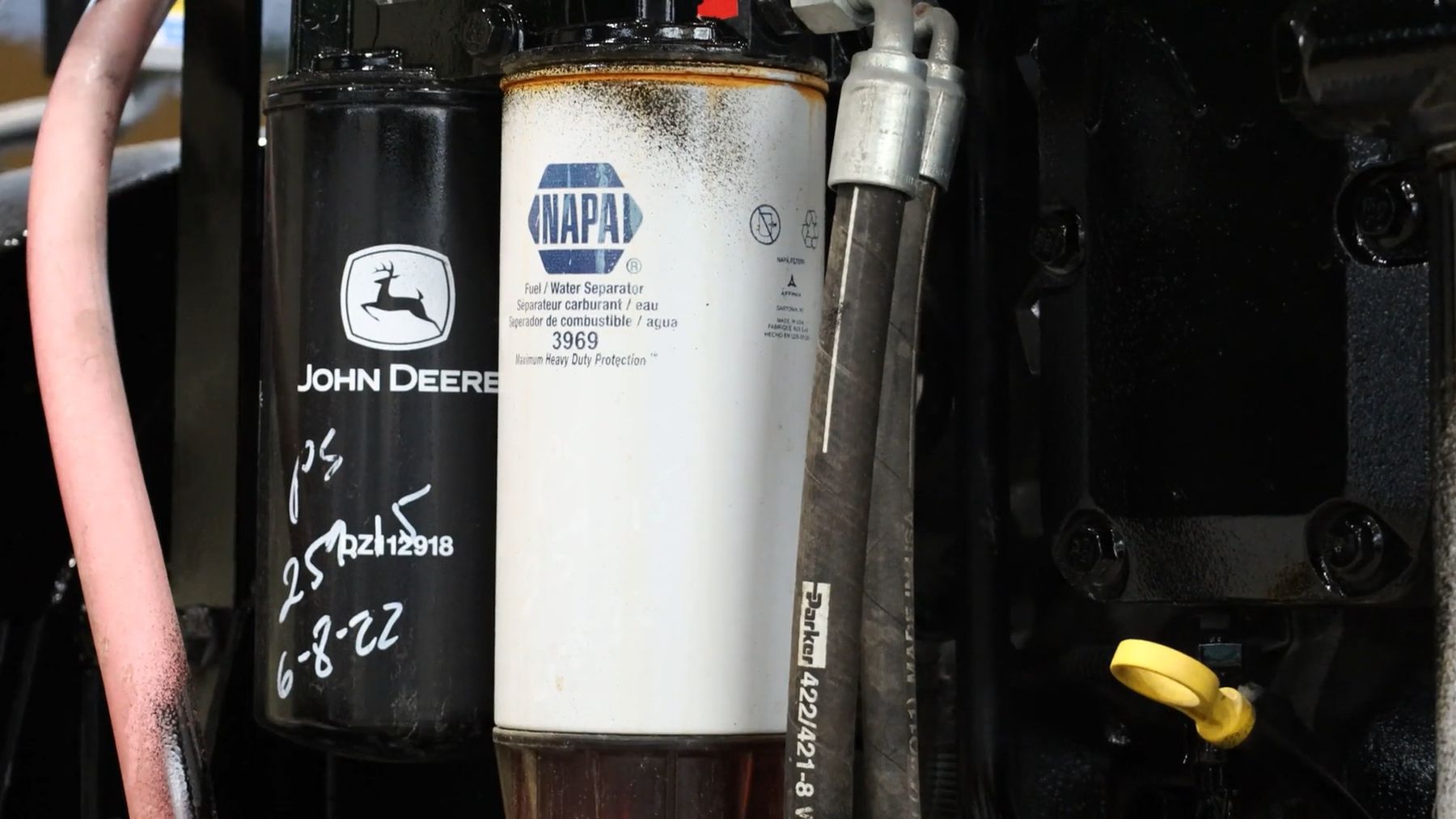
System Function
The water separator removes water from diesel fuel before it reaches the lift pump, filters and injection system. It collects water in a bowl or drain point so it can be removed during routine service. As water builds up it increases corrosion and can support microbial growth in the tank and fuel circuit.
- Water Removal: Separator uses density difference between water and diesel allowing water to settle in collection bowl where it can be drained preventing water from reaching injection components.
- Contamination Prevention: By removing water before it enters fuel system the separator prevents corrosion of injection components and eliminates moisture that supports biological growth in fuel.
Moisture carried downstream creates blockages and corrosion, contributes to premature fuel component failure, and can cause rough running or surging under load. Even if engine starts fine in cold weather trapped water can freeze and restrict fuel flow leading to intermittent no-start problems.
Water separator service video
Maintenance Schedule
How often should it be drained?
Water separators are serviced by draining the bowl, checking for water and debris, and confirming seal condition every quarter during PM1 inspections—not just left until filter change.
Environmental Considerations: Generators with outdoor above-ground fuel storage experience more condensation requiring frequent water separator draining. High humidity environments accelerate water accumulation in fuel. Biodiesel fuels naturally absorb more moisture requiring more frequent separator service. Generators in cold climates risk water freezing in separator during winter operation.
How you can tell it is acting up
- Water in Separator Bowl: Visible water accumulation in collection bowl indicating condensation in fuel system or contaminated fuel delivery.
- Fuel Filter Plugging: Frequent fuel filter replacement needed suggesting water passing separator and supporting microbial growth.
- Hard Starting in Cold Weather: Extended cranking or no-start conditions in freezing temperatures indicating frozen water in separator restricting fuel flow.
- Rough Running or Surging: Engine runs unevenly under load suggesting water contamination affecting combustion or causing injector problems.
- Corrosion in Fuel System: Rust or corrosion visible in fuel filters or lines revealing moisture presence in fuel circuit.
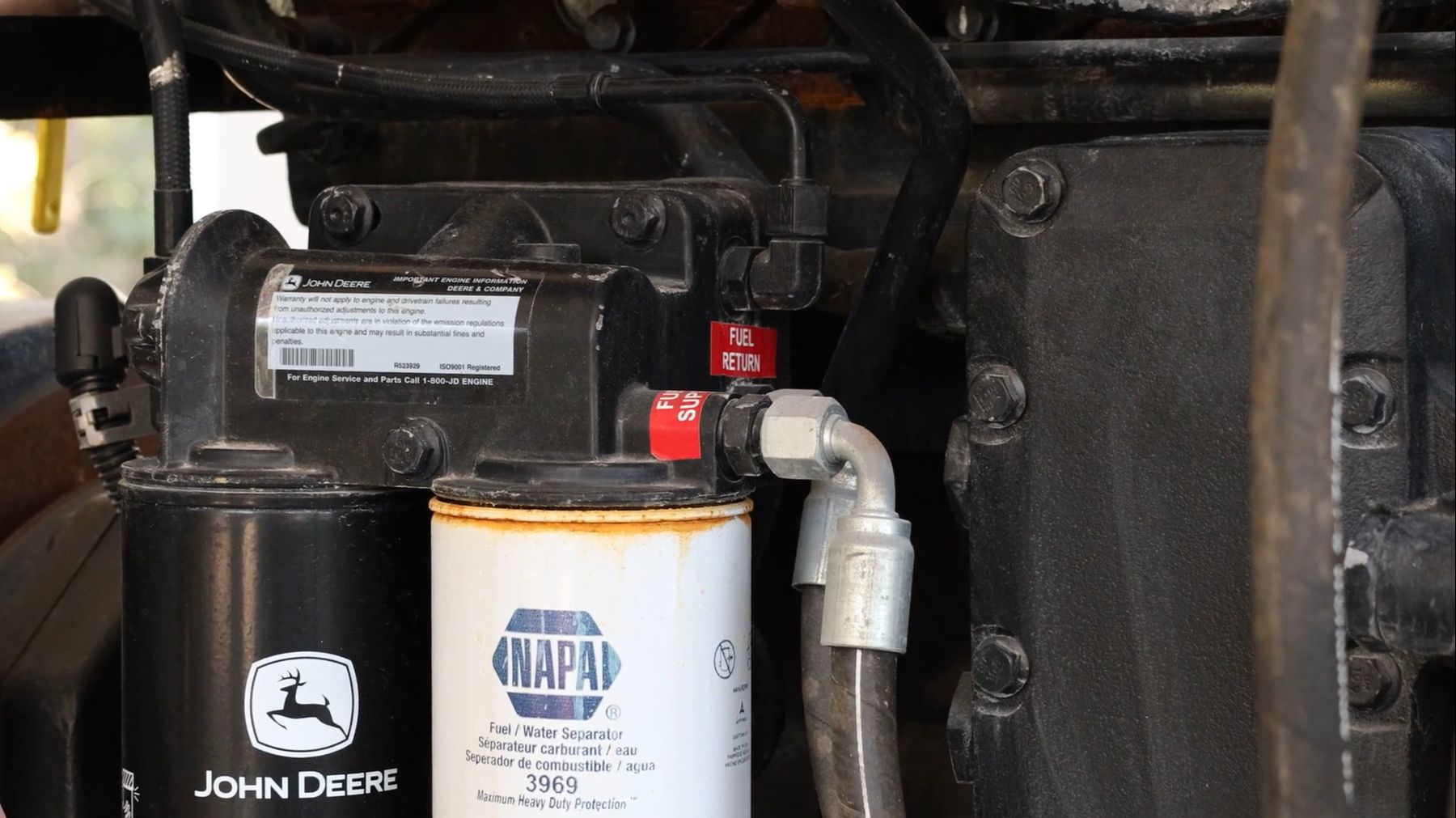
Most asked question
“My separator bowl is clear with no visible water—does it still need draining?”
Yes. Drain separator regardless of visible water accumulation. Small amounts of water present may not be visible in bowl especially if mixed with fuel. Water naturally accumulates in fuel systems from condensation as temperature cycles throughout day and seasons. Even generators burning clean fuel from quality suppliers experience moisture accumulation. Draining separator quarterly removes accumulated water before it reaches critical injection components. Water in injection system causes rapid corrosion of injector nozzles and pump components requiring expensive replacement. Water also supports microbial growth diesel bug that creates black slime plugging filters and corroding tank and fuel lines. Regular separator draining is essential preventive maintenance costing pennies but preventing thousands in fuel system repairs.
Frequently Asked Questions
What causes water accumulation in fuel systems?
Condensation is primary source. Temperature cycling causes moisture in tank air space to condense on cool tank walls dripping into fuel. Humid climates accelerate condensation formation. Underground tanks below water table may have groundwater intrusion through damaged seals. Biodiesel fuels naturally absorb moisture from air. Poor quality fuel from suppliers. Rainwater entering through damaged tank caps or vents. Most generators experience some water accumulation regardless of fuel source making regular separator draining essential.
How much water is normal to find in separator?
Small amounts typically few ounces per quarterly drain are normal from condensation. Large amounts pint or more suggest excessive condensation from large temperature swings contaminated fuel delivery or possible tank intrusion. Consistently high water accumulation requires investigation of fuel storage conditions tank integrity and fuel source quality. Biodiesel systems normally show more water than conventional diesel. Any water accumulation must be removed as even small amounts cause corrosion and support microbial growth.
Can I eliminate water separator if fuel is clean?
No. Water separator is essential component regardless of fuel quality. All diesel fuel contains some dissolved moisture. Temperature changes cause moisture to come out of solution settling in lowest points of fuel system. Even premium fuel from major suppliers contains trace moisture. Separator provides critical first line defense removing water before it reaches expensive injection components. Eliminating separator voids equipment warranties and dramatically increases risk of fuel system damage. Water separator maintenance is inexpensive insurance against expensive fuel system repairs.
Why does water damage fuel injection systems?
Water causes rapid corrosion of precision injection components. Injector nozzles are manufactured to extremely tight tolerances measured in microns. Corrosion from moisture degrades these precision surfaces causing poor spray patterns and incomplete combustion. Water contamination supports bacteria and fungus growth creating acidic byproducts that accelerate corrosion. Water freezes in cold weather restricting or blocking fuel passages. Water does not lubricate like diesel causing accelerated wear in injection pumps. High pressure injection systems are particularly vulnerable as water contamination causes catastrophic pump and injector failure requiring complete system replacement.
Service Request
Still have questions?
Generator Source specializes in low-hour, used, new, and surplus generator sets. We have a wide variety of generator sizes and models to fit any project. We are not a broker, we own what we sell.
Call us today (877-866-6895) or click Contact Us to be connected with one of our experienced sales reps.
We have 350+ generators in stock and ready to ship!
31 Point PM1 Service Items Pages
We Service All Major Brands Including