Power demand is not just increasing. It is shifting.
Across the U.S. and globally, large-scale facilities are putting more strain on the grid than ever before. From data centers and manufacturing plants to utilities and infrastructure projects, the need for reliable megawatt-level backup power is accelerating fast.
For companies operating in these sectors, backup power is no longer optional. It is part of the operational strategy.
Why Megawatt Demand Is Increasing
Several factors are driving the surge in demand for generators in the 1000kW to 4000kW range:
- Rapid expansion of data centers and AI infrastructure
- Grid instability and aging infrastructure
- Extreme weather events impacting uptime
- Increased electrification across industries
- Stricter uptime requirements for critical operations
These shifts are pushing organizations toward larger, more robust standby systems that can carry significant loads without compromise.
Megawatt Generator Demand by Industry
Data Centers and AI Infrastructure

Data centers are leading the charge in megawatt generator demand.
Hyperscale facilities and colocation centers require continuous uptime. Even a few seconds of power loss can mean millions in lost revenue and system disruption.
Typical needs:
- 2MW to 4MW+ systems per building
- Redundant configurations (N+1 or 2N)
- Fast startup and load acceptance
- Long-duration runtime capability
The Fuel Debate: Diesel vs Natural Gas for Data Centers
Many data centers are exploring natural gas systems, often driven by emissions goals or local permitting requirements. But from a reliability standpoint, this decision deserves a closer look.
| Aspect | Diesel (or Dual-Fuel) | Natural Gas | Why Diesel Wins for Data Centers |
|---|---|---|---|
| Fuel Supply & Independence | On-site storage tanks provide days/weeks of fuel; truck-deliverable even in crises. | Relies on continuous pipeline delivery; no on-site reserve. | Grid or pipeline failures (storms, earthquakes, curtailments) won’t cut fuel. Diesel ensures autonomy. |
| Startup & Load Response | Sub-10-second cold starts; handles massive load steps instantly. | 15–30 seconds typical; slower ramp-up. | Meets strict uptime SLAs—critical when UPS only buys minutes. |
| Reliability in Outages | Proven rugged design; established MTBF in data centers with proper maintenance. | Extra ignition components add failure points; pipeline risk in disasters. | Diesel is the default for emergency backup; dual-fuel adds gas flexibility. |
| Emissions & Permitting | Modern Tier 4 engines with after-treatment meet regs; biodiesel blends available. | Cleaner burn (up to 40% less CO₂); easier urban permits. | Diesel compliance is achievable; reliability trumps marginal emission gains for standby use. |
| Maintenance & Longevity | Regular fuel polishing/oil changes; 20–30 year lifespan with care. | Simpler fuel system but more frequent spark-plug/ignition service. | Diesel’s track record in hyperscale facilities outweighs slightly higher upkeep. |
| Cost Profile | Lower upfront cost; higher fuel price volatility (but infrequent runtime). | Potentially lower long-term fuel cost for continuous run; higher CapEx. | Data centers run generators sparingly (testing + rare outages)—diesel’s economics excel here. |
What matters most for data centers:
When uptime is the priority, fuel independence and immediate response matter more than anything else. In real-world outage conditions, diesel systems consistently provide a more reliable solution for emergency backup power.
Construction and Infrastructure Projects
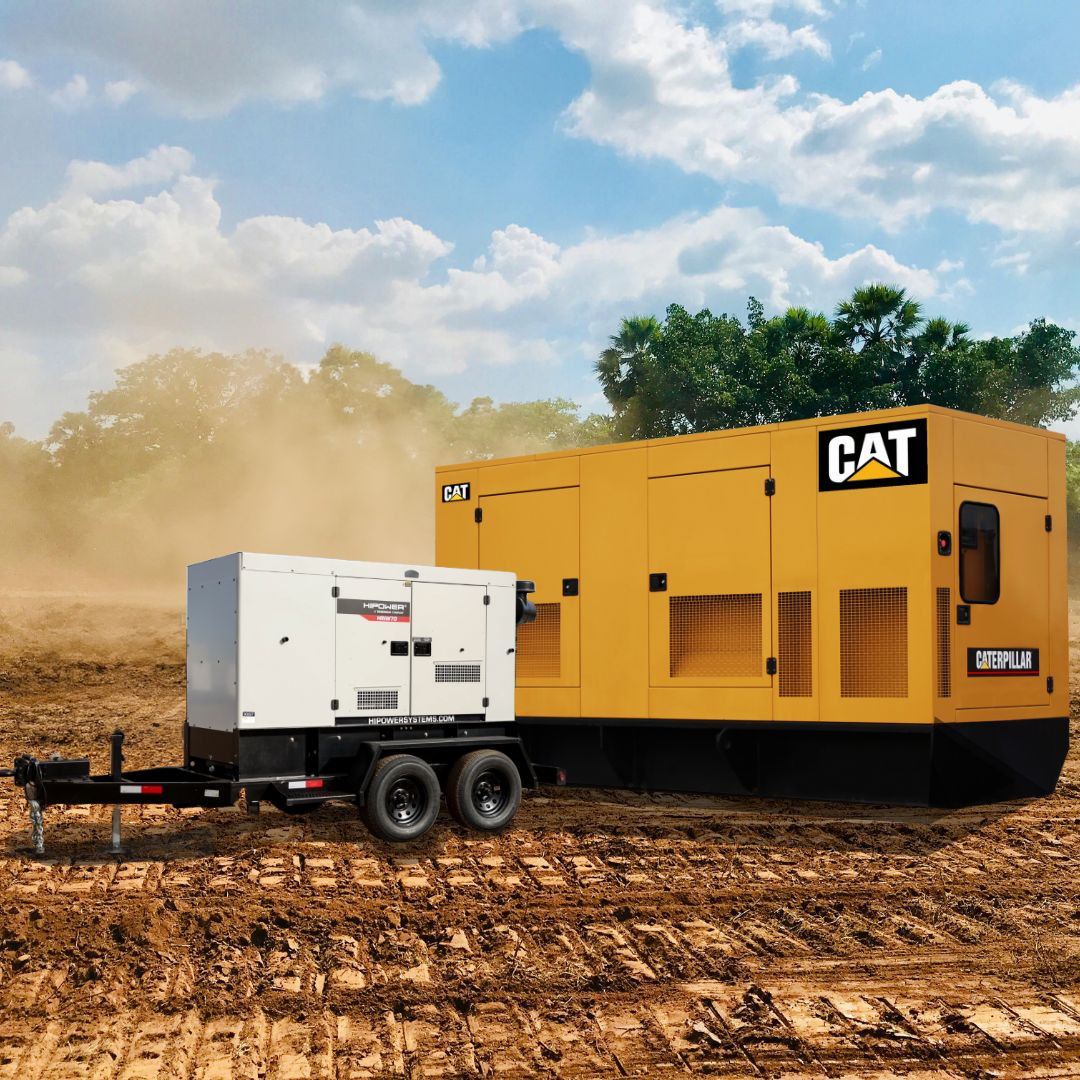
Construction firms rely on megawatt generators to power large job sites, especially in remote or undeveloped areas.
Typical needs:
- Trailer-mounted or containerized units
- Rapid deployment and mobility
- Durable enclosures for harsh environments
Fuel preference:
- Diesel dominates due to portability and fuel logistics
- Dual fuel options are sometimes used to extend runtime
Even at the megawatt level, portability and flexibility are critical in this sector.
Manufacturing and Industrial Facilities
6
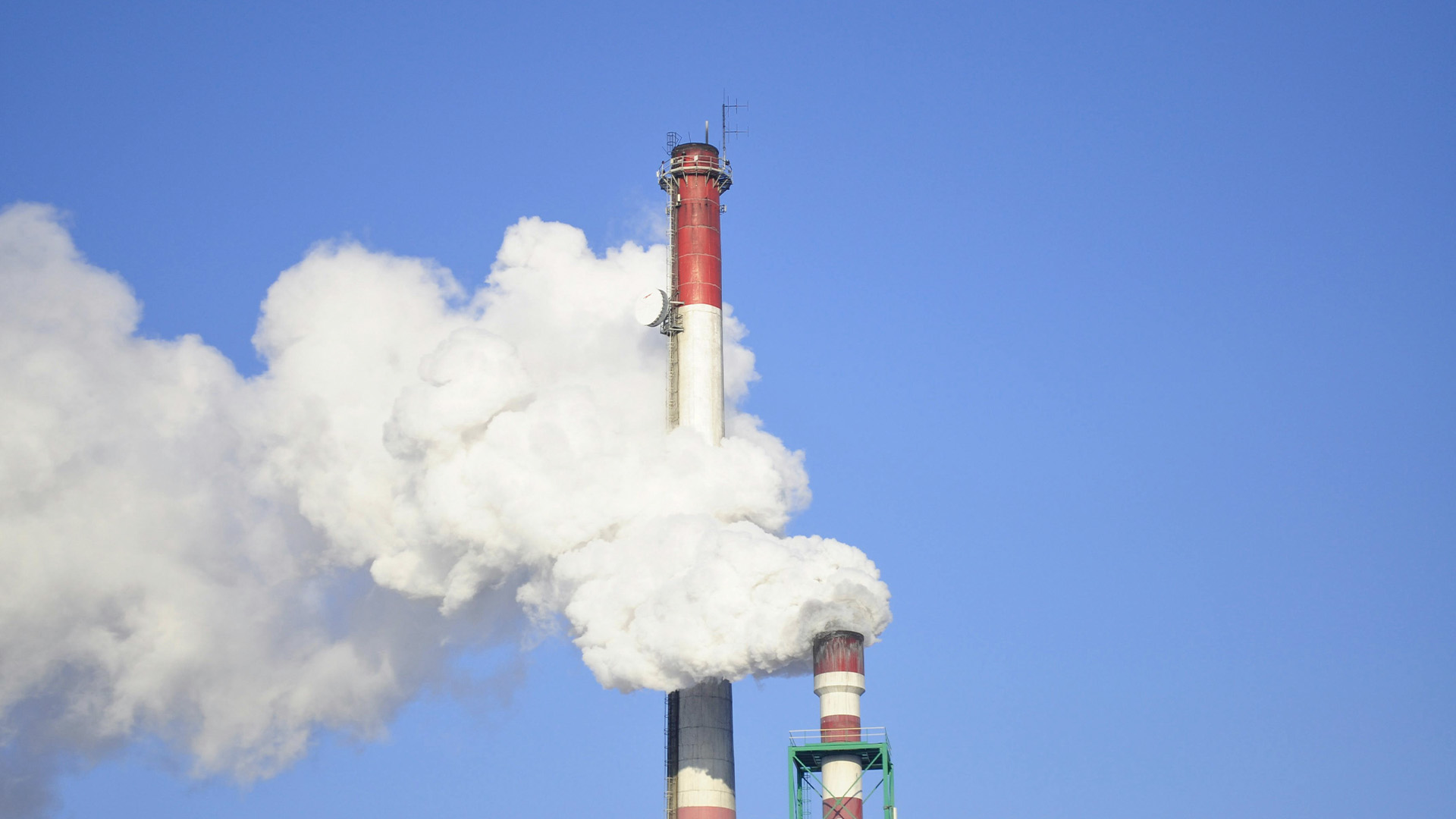
Manufacturing operations cannot afford downtime. Power loss can halt production, damage equipment, and create safety risks.
Typical needs:
- 1MW to 3MW standby systems
- Seamless integration with facility controls
- Ability to handle large motor starting loads
Fuel preference:
- Diesel for fast response and reliability
- Natural gas in facilities with stable utility access and long run requirements
These facilities often prioritize systems that can handle high inrush currents and fluctuating load demands.
Utilities and Municipal Infrastructure
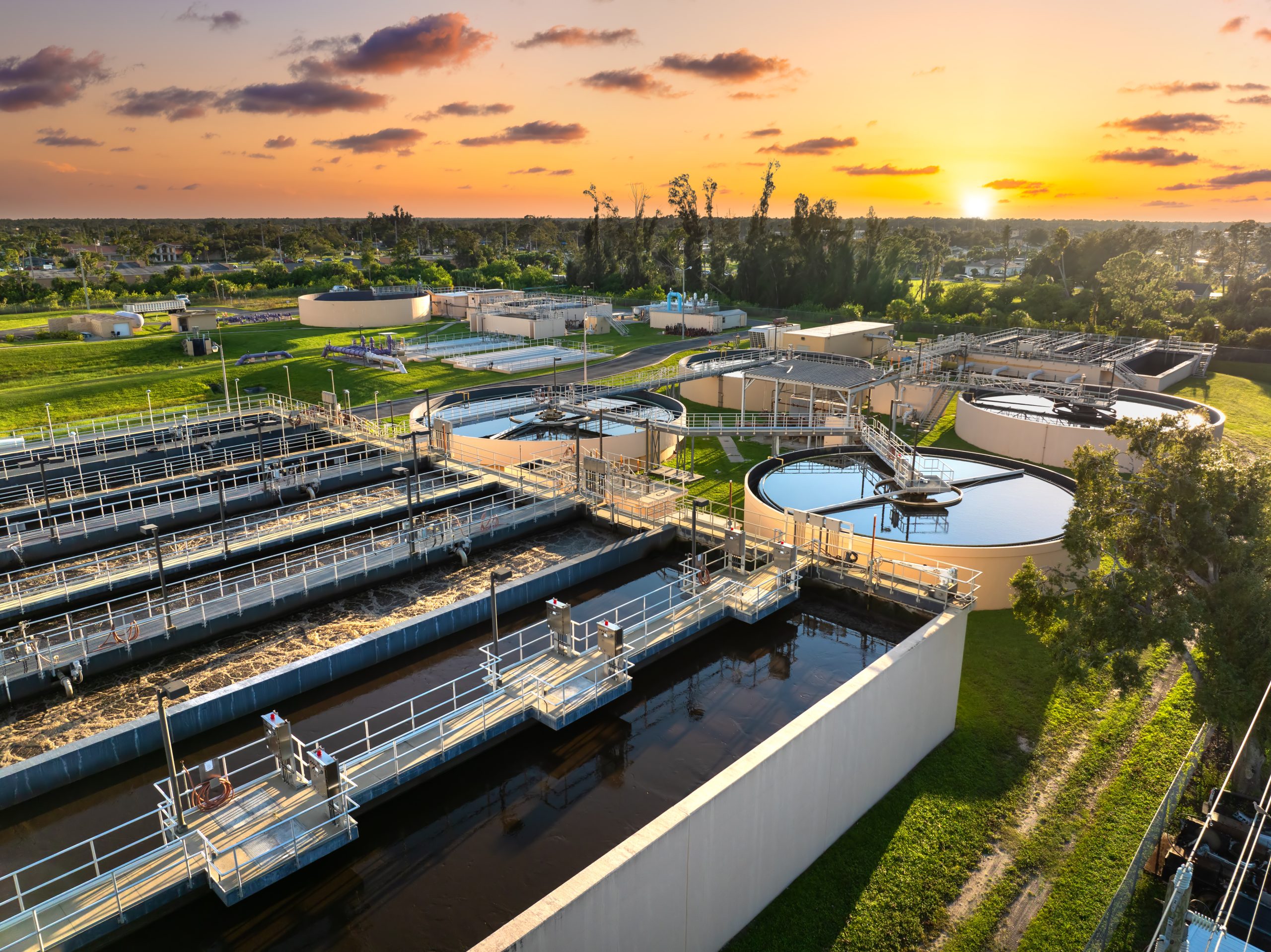
Utilities, water treatment plants, and municipalities depend on megawatt generators to maintain essential services.
Typical needs:
- Long runtime capability
- High reliability under emergency conditions
- Integration with grid systems
Fuel preference:
- Diesel for emergency backup
- Natural gas or propane in fixed installations with stable supply
For these organizations, failure is not an option. Systems must perform under worst-case scenarios.
Oil, Gas, and Energy Sector

Remote energy operations often operate completely off-grid.
Typical needs:
- Continuous or backup megawatt power
- Rugged systems for extreme environments
- Flexible fuel options
Fuel preference:
- Diesel for reliability in remote areas
- Dual fuel systems when gas is available on-site
These environments demand equipment that can perform with minimal external dependencies.
Choosing the Right Fuel Type for Megawatt Generators
Generator Source supports a full range of fuel configurations:
- Diesel
- Dual Fuel
- Liquid Propane / Natural Gas
- Propane
Each has its place depending on the application, environment, and risk tolerance.
But when it comes to critical backup power, especially in high-stakes environments like data centers, diesel continues to set the standard for reliability and response.
What This Means for Buyers
The increase in megawatt generator demand is not slowing down.
Lead times are tightening. Inventory is moving faster. And the margin for error in power planning is getting smaller.
For organizations evaluating backup power systems, the key questions are no longer just about capacity.
They are about:
- How quickly can the system respond
- How independent is the fuel supply
- How reliable is the system under real outage conditions
Those answers are what separate a backup system from a true power solution.
Still have questions or looking for more information?
Generator Source specializes in low-hour, used, new, and surplus generator sets. We have a wide variety of generator sizes and models to fit any project. We are not a broker, we own what we sell.
Call us today (877-866-6895) or click Contact Us to be connected with one of our experienced sales reps.
We have 350+ generators in stock and ready to ship!