Engineering 100% Uptime in 2026
In the current landscape of high-density compute and AI-driven workloads, the margin for error in data center power management has vanished. For modern facilities, power is not just a utility; it is the lifeblood of the operation. As we move through 2026, the reliance on backup power for data centers has shifted from a “safety net” to a core component of critical power infrastructure.
At Generator Source, we are seeing a massive evolution in how facilities approach power outage preparedness. It is no longer enough to have a generator on the pad; you must have a resilient, tested, and sovereign power strategy.
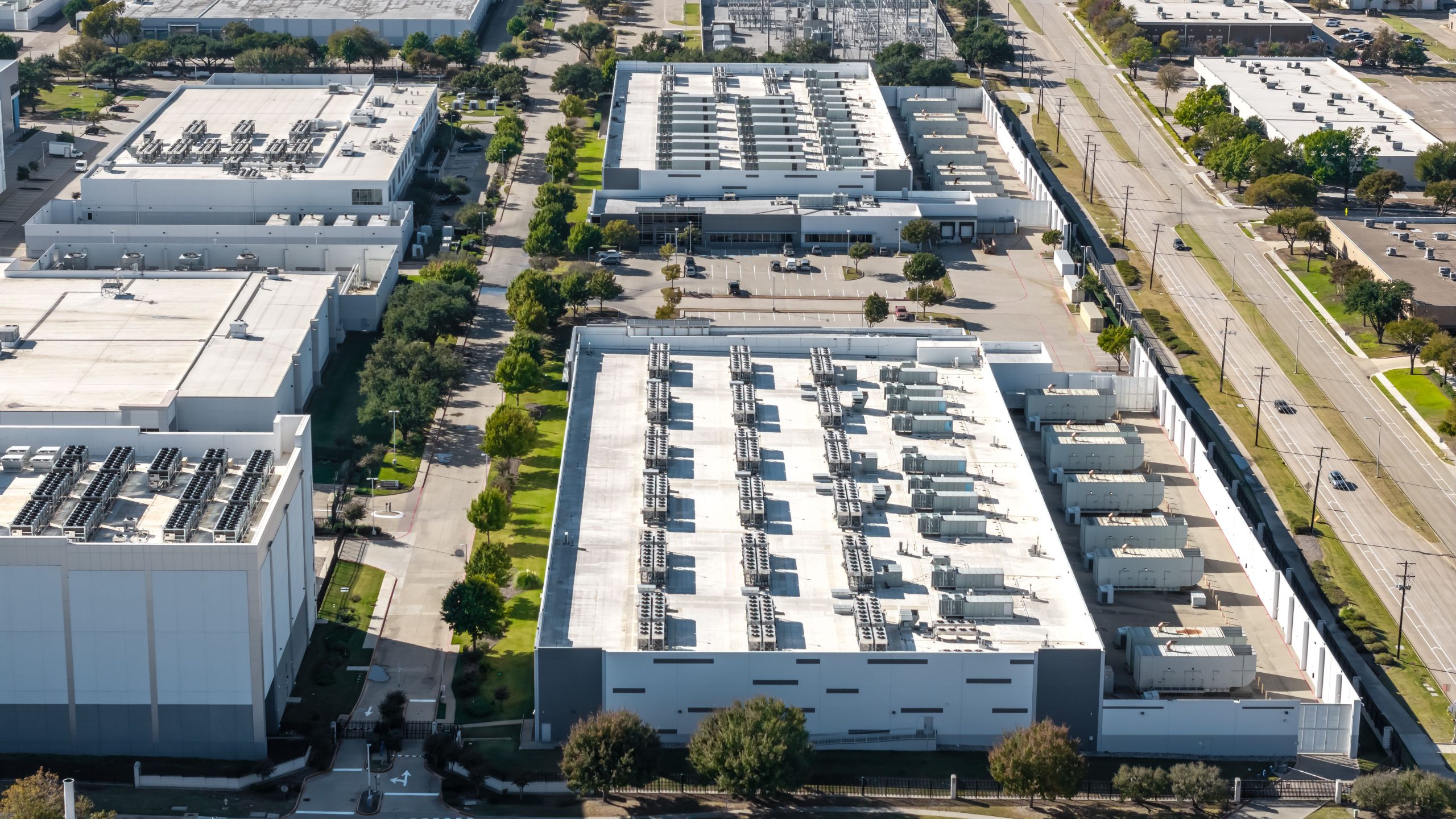
Understanding Backup Power Necessity
The fundamental goal of a data center is to provide uninterrupted service. However, the grid is increasingly volatile. Between aging infrastructure and the massive load demands of new AI clusters, utility reliability is no longer a guarantee.
Importance of Power Outage Preparedness
True power outage preparedness requires a proactive rather than reactive stance. Facilities that wait for a “named storm” or a utility warning to check their systems are already behind. In 2026, preparedness means having a fully integrated system where onsite power generation for data centers can assume the full load in under 10 seconds without a single dropped packet.
Consequences of Inadequate Backup Power
The cost of downtime has skyrocketed. Beyond the immediate financial loss, which can reach tens of thousands of dollars per minute for hyperscale facilities, there is the risk of catastrophic hardware damage. Rapid, uncontrolled shutdowns can lead to data corruption and shortened lifespans for sensitive server components. Inadequate backup power doesn’t just stop operations; it erodes the long-term viability of the facility.

Types of Backup Power Solutions
A robust backup strategy relies on a tiered approach to energy delivery. No single component can carry the burden alone.
UPS Systems
The Uninterruptible Power Supply (UPS) is the first line of defense. Its role is to bridge the gap between a utility failure and generator engagement. In 2026, we see a trend toward Lithium-Ion UPS systems for their smaller footprint and faster discharge capabilities, essential for high-density racks.
Backup Generators
While the UPS bridges the gap, the generator carries the load for the duration of the outage. For data centers, we typically see 1,000kW to 3,000kW diesel or natural gas units. These assets must be “Mission Critical” rated, meaning they are engineered for 100% load factor for the duration of the outage.
Renewable Energy and On-Site Generation
We are seeing an increase in on-site power generation for data centers that incorporates microgrid technology. This includes integrating solar arrays and large-scale battery energy storage systems (BESS) to offset peak demand and provide an additional layer of redundancy before the diesel or natural gas assets are even triggered.
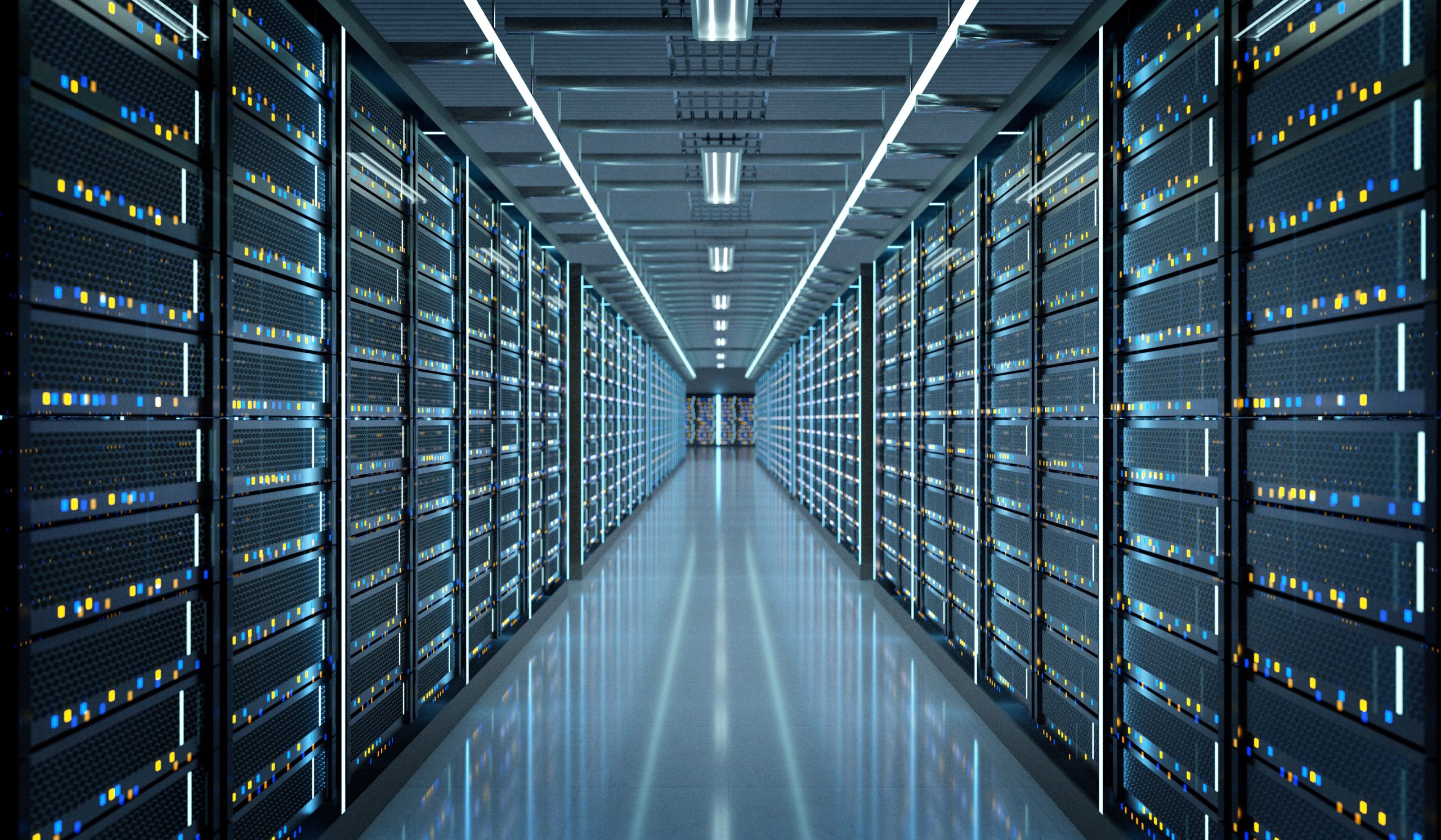
Critical Power Infrastructure
The infrastructure supporting your backup system is as vital as the generators themselves.
Components of Critical Power Systems
A complete system includes more than just the “iron.” It involves:
- Automatic Transfer Switches (ATS): We recommend Closed Transition switches to allow for seamless testing.
- Paralleling Switchgear: This allows multiple 2,000kW units to synchronize and share the massive load of a data center.
- Fuel Polishing Systems: Critical for ensuring that stored diesel remains stable and free of microbial growth.
Role of Maintenance and Testing
Maintenance is not a suggestion; it is a requirement. In 2026, data center power management relies on data-driven maintenance. This includes fluid analysis, thermal imaging of electrical connections, and regular exercise of all moving parts.
Field Testing for Backup Power Systems in Data Centers
The gold standard for reliability is field testing for backup power systems in data centers. This involves:
- Full Load Bank Testing: Running the generators at 100% rated load (e.g., 1,500kW) for several hours to ensure the cooling and fuel systems can handle the thermal stress.
- Integrated System Testing (IST): Simulating a total utility failure to ensure the UPS, ATS, and generators all communicate perfectly.
Developing an Effective Backup Power Strategy
Transitioning to a high-reliability model requires a shift in how you view your current power management practices.
Assessing Current Power Management Practices
The first step is a gap analysis. Are your current 750kW or 1,000kW units sized for your 2026 growth projections? Many facilities find that their power needs have outpaced their original infrastructure due to the high-density requirements of modern GPU clusters.
Integration with Data Center Operations
Your backup power solutions for data centers must be integrated into your DCIM (Data Center Infrastructure Management) software. Real-time monitoring allows for predictive failure analysis, letting you know a battery or a block heater is failing before it causes a no-start event.
Emergency Protocols and Contingency Plans
Every facility must have a “Sovereign Power” protocol. This includes clear chains of command for manual overrides, pre-arranged fuel delivery contracts for extended outages, and a 24/7 relationship with a service provider who understands the urgency of data center environments.
Future Trends
As we look toward 2027 and beyond, the innovations in backup power generation for data centers are focusing on sustainability without sacrificing reliability. We are closely monitoring the development of large-scale hydrogen fuel cells and the implementation of “Tier 5” emission standards in regions like California.
The future of data center power management is not just about having a backup plan; it is about building an independent, resilient power plant on your own site.
Is your data center power infrastructure ready for the 2026 load?
At Generator Source, we specialize in the high-stakes world of critical power. From securing 2,000kW mission-critical units to performing rigorous field testing, we ensure your facility stays online when the grid goes dark.
Contact our Data Center Power Team to schedule a comprehensive audit of your backup systems.