Industry: Public utilities and wastewater infrastructure
Service region: Midwestern United States
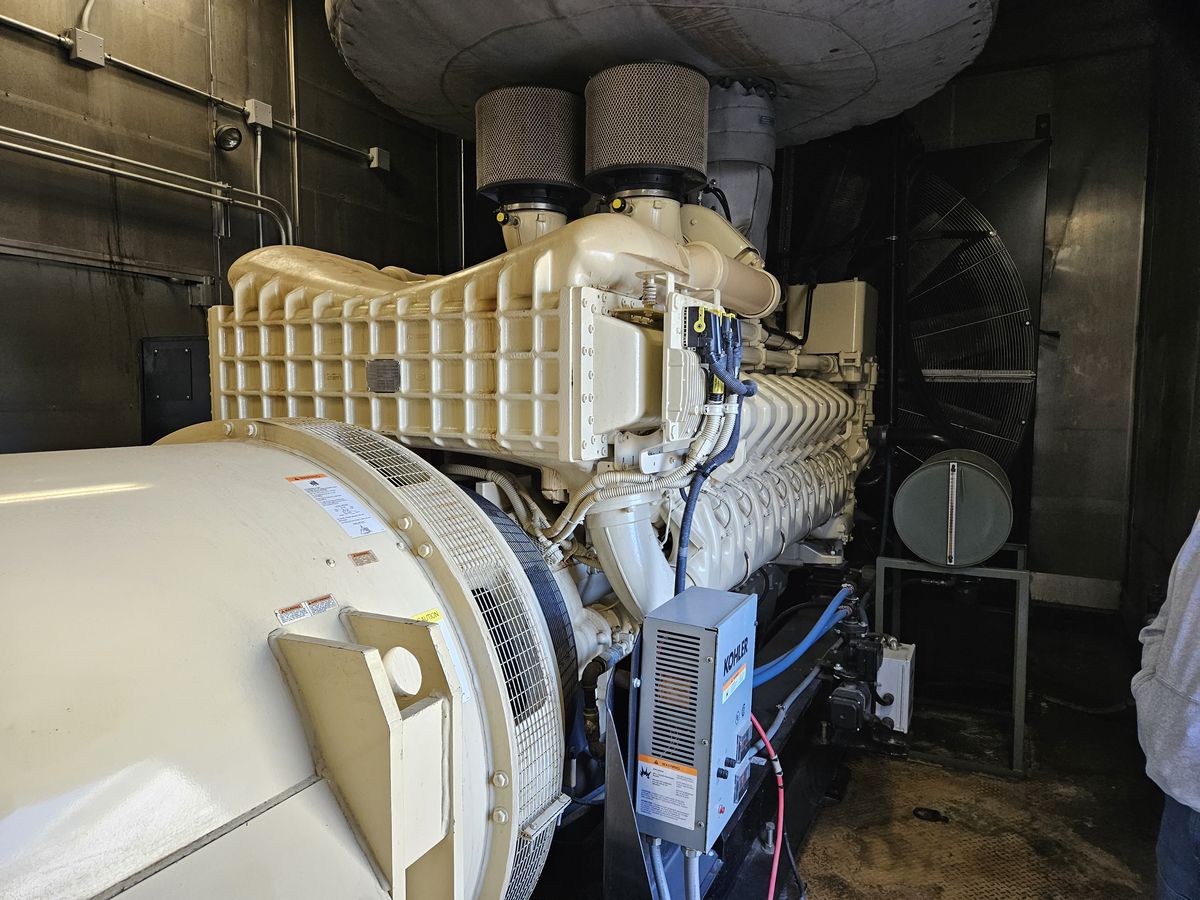
Generator supplied: Industrial diesel generator
Capacity: 2500kW
Genset Make: Kohler
Engine Make: MTU
Fuel type: Diesel
Voltage: 13,800V via voltage conversion
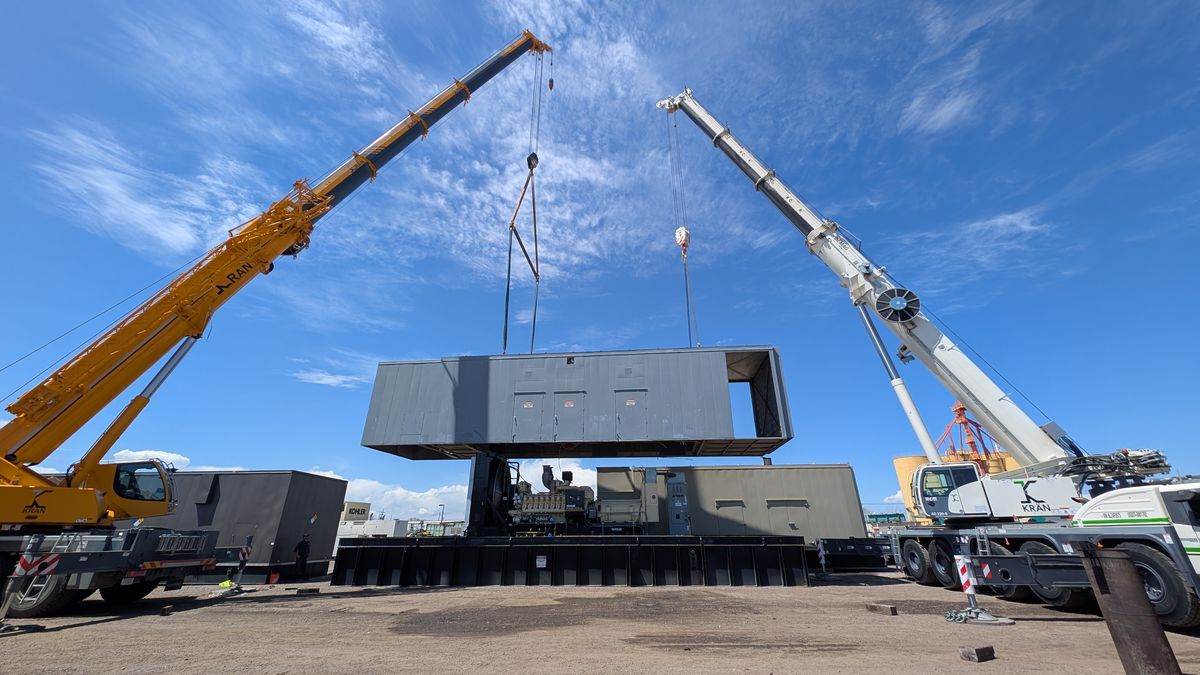
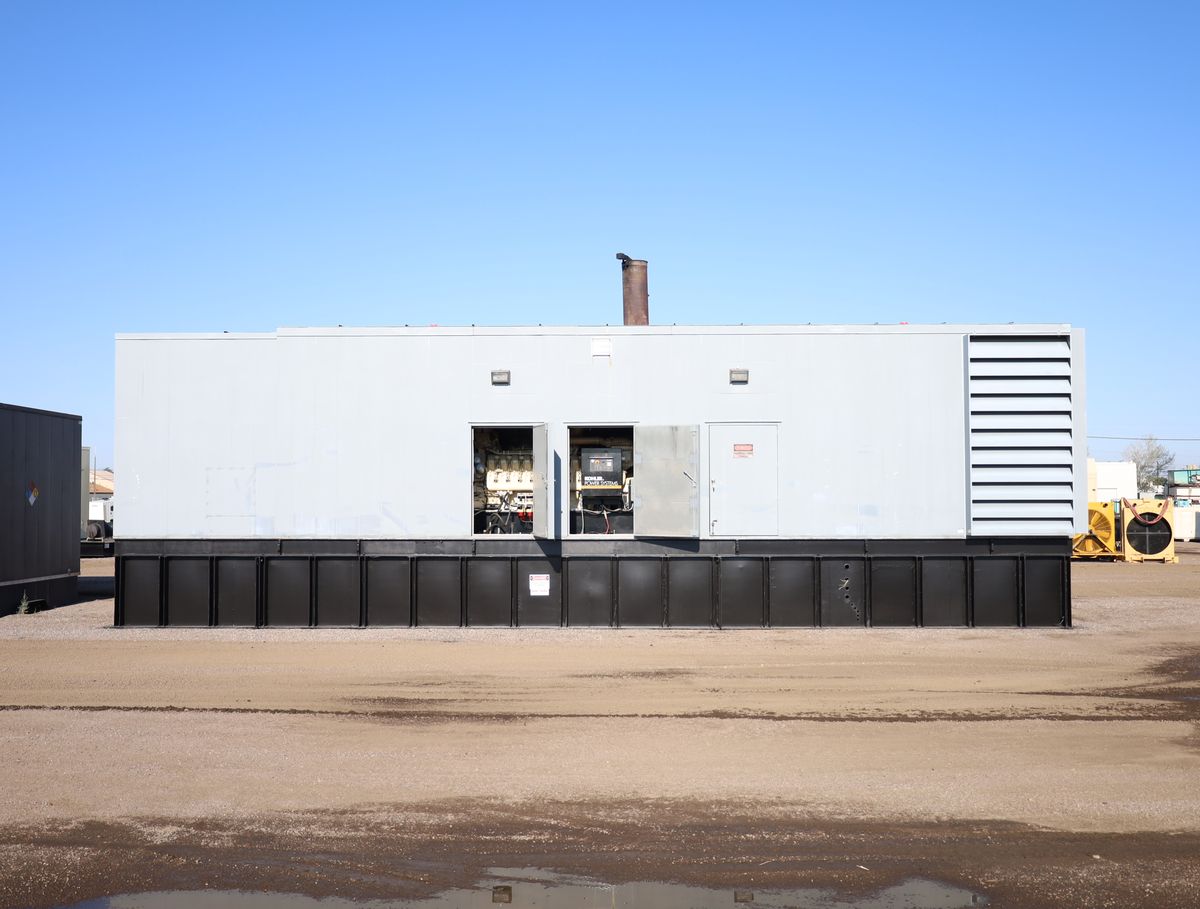
Housing: Sound-attenuated enclosure
Application: Backup power for critical wastewater and utility operations
Outcome: Delivered, converted, and validated a megawatt-scale generator to support continuous utility service
The Challenge
A regional wastewater utility operating in the Midwestern United States required a high-capacity backup power solution to support critical infrastructure. The generator needed to integrate with existing high-voltage electrical systems and demonstrate reliable performance before being placed into service.
Key requirements included sourcing a 2500kW industrial diesel generator with known operating history, completing a voltage conversion to 13,800 volts, and validating performance through load bank testing prior to final acceptance.
Because the application supported essential public services, the project required a high level of technical accuracy, coordination, and verification.
Why It Mattered
Wastewater and utility infrastructure relies on uninterrupted power to protect public health, environmental compliance, and operational continuity. Power disruptions in these environments can create immediate and far-reaching consequences.
For this project, it was not enough for the generator to meet capacity requirements on paper. The system needed to demonstrate real-world performance under load and integrate seamlessly into a high-voltage utility environment. Verification, testing, and careful planning were critical to reducing risk.
The Generator Source Solution
Generator Source worked with the customer to supply a 2500kW industrial diesel generator suited for large-scale utility and wastewater applications.
The scope of work included coordinating a voltage conversion to 13,800V to match site requirements, preparing the unit for load bank testing, and sequencing testing and logistics to align with the customer’s acceptance process.
By addressing voltage, capacity, and validation requirements early, Generator Source helped ensure the generator was technically aligned with the infrastructure it would support.
Execution and Validation
Execution focused on performance verification and risk control.
The generator was staged for load bank testing to confirm operation under load prior to final acceptance. Successful testing served as a key milestone before the project advanced.
Logistics planning included coordinating freight for a large, sound-attenuated industrial generator and aligning delivery timing with site readiness. Clear communication throughout the process helped maintain alignment between technical requirements, testing outcomes, and delivery planning.
Results
The customer secured and validated a 2500kW industrial generator capable of supporting critical wastewater operations.
The outcome delivered megawatt-scale backup power, confirmed generator performance through load bank testing, and confidence that the system could integrate into existing high-voltage infrastructure.
This approach reduced operational risk and supported long-term reliability for an essential utility application.
Ongoing Considerations
For megawatt-class generators supporting wastewater and utility infrastructure, Generator Source recommends ongoing preventative maintenance, periodic load bank testing, and long-term service planning.
These practices help ensure readiness, compliance, and reliable operation during grid outages or emergency conditions.
Closing
Generator Source supports utilities and critical infrastructure organizations with complex power requirements by delivering validated, industrial-scale generator solutions. Through careful coordination, voltage conversion, testing, and execution, our team helps customers protect essential services and maintain operational continuity.