Facility downtime is an engineered failure. For industrial operations, a loss of power isn’t just a weather event, it is a critical break in the supply chain that impacts production cycles, data integrity, and life-safety systems. Understanding the technical drivers of grid instability allows facility managers to move from reactive crisis management to proactive system resilience.
Primary Mechanisms of Power Interruption
The U.S. grid is increasingly vulnerable to high-impact variables. While residential consumers focus on localized outages, industrial entities must account for large-scale systemic failures.
1. Severe Meteorological Events

Extreme weather remains the leading cause of distribution and transmission failure. High-velocity winds and ice loading create mechanical stress on utility lines, often resulting in “galloping” lines that lead to phase-to-phase faults. For a facility drawing 1,000kW, even a momentary interruption during a storm can trigger a multi-hour “cold start” protocol for machinery.
2. Grid Overload and High Demand
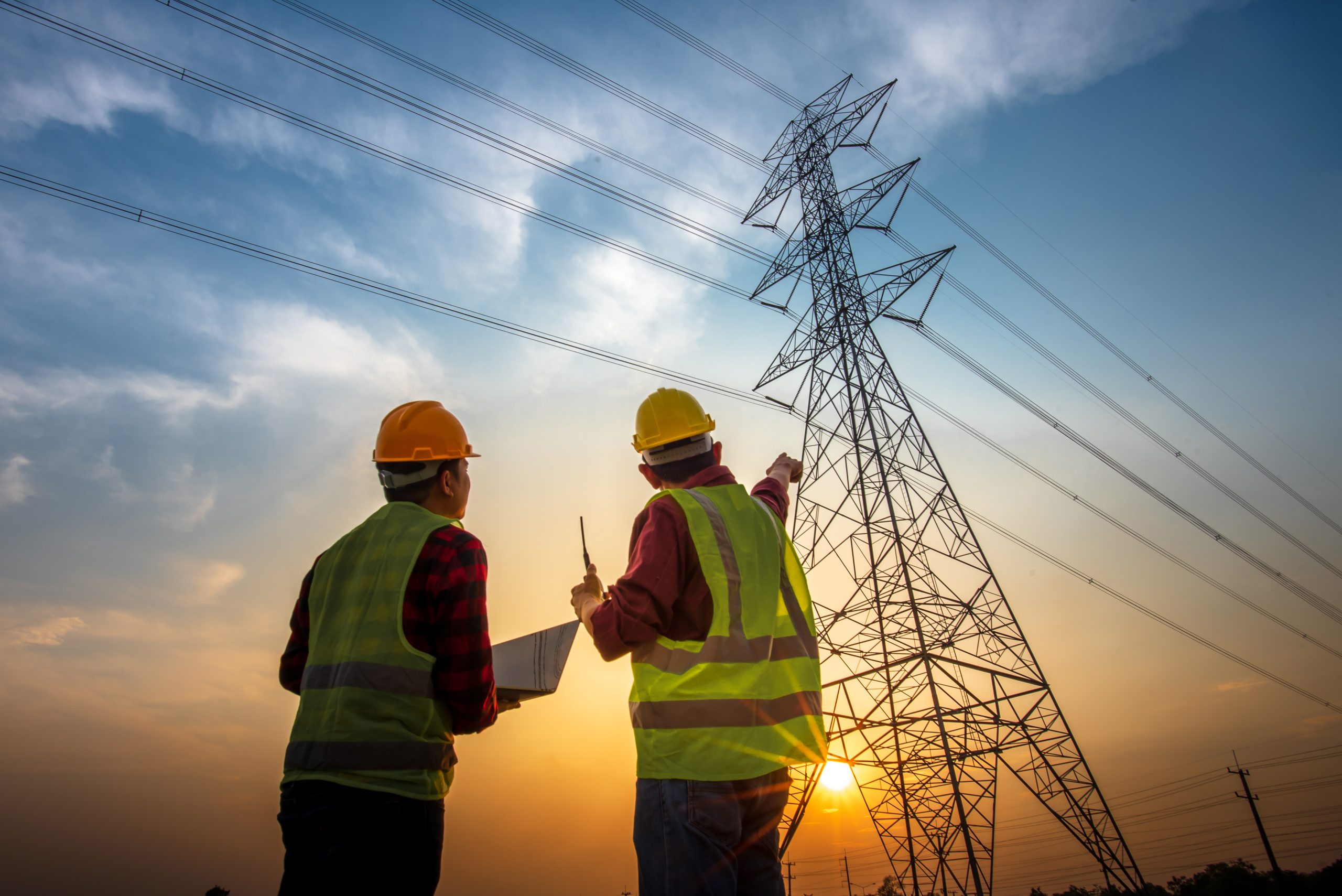
As regional electrification accelerates, the demand-to-supply ratio is narrowing. During peak thermal events, the grid enters “Emergency Operating-State.” When demand exceeds the 100% capacity of local substations, automated load-shedding occurs. This is particularly prevalent in aging industrial corridors where infrastructure hasn’t been upgraded to support modern 2,500kW+ load requirements.
3. Equipment Degradation and Failure
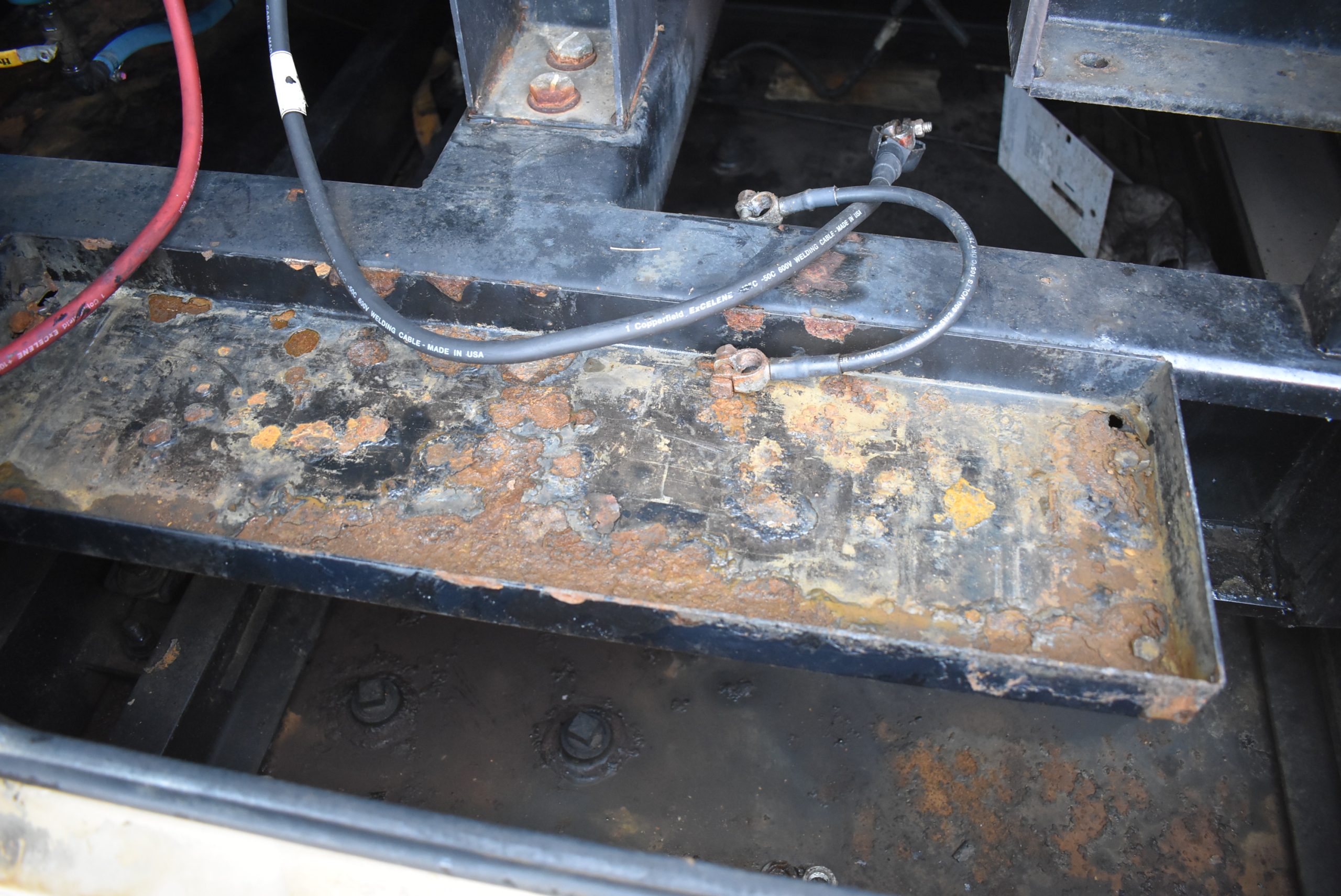
Utility-side transformers, insulators, and circuit breakers have finite lifecycles. Dielectric breakdown in transformer oil or the failure of a 500kW substation capacitor bank can cause localized “islanding,” where your facility is disconnected from the main grid to prevent wider systemic damage.
4. Kinetic Incidents: Vehicles and Construction
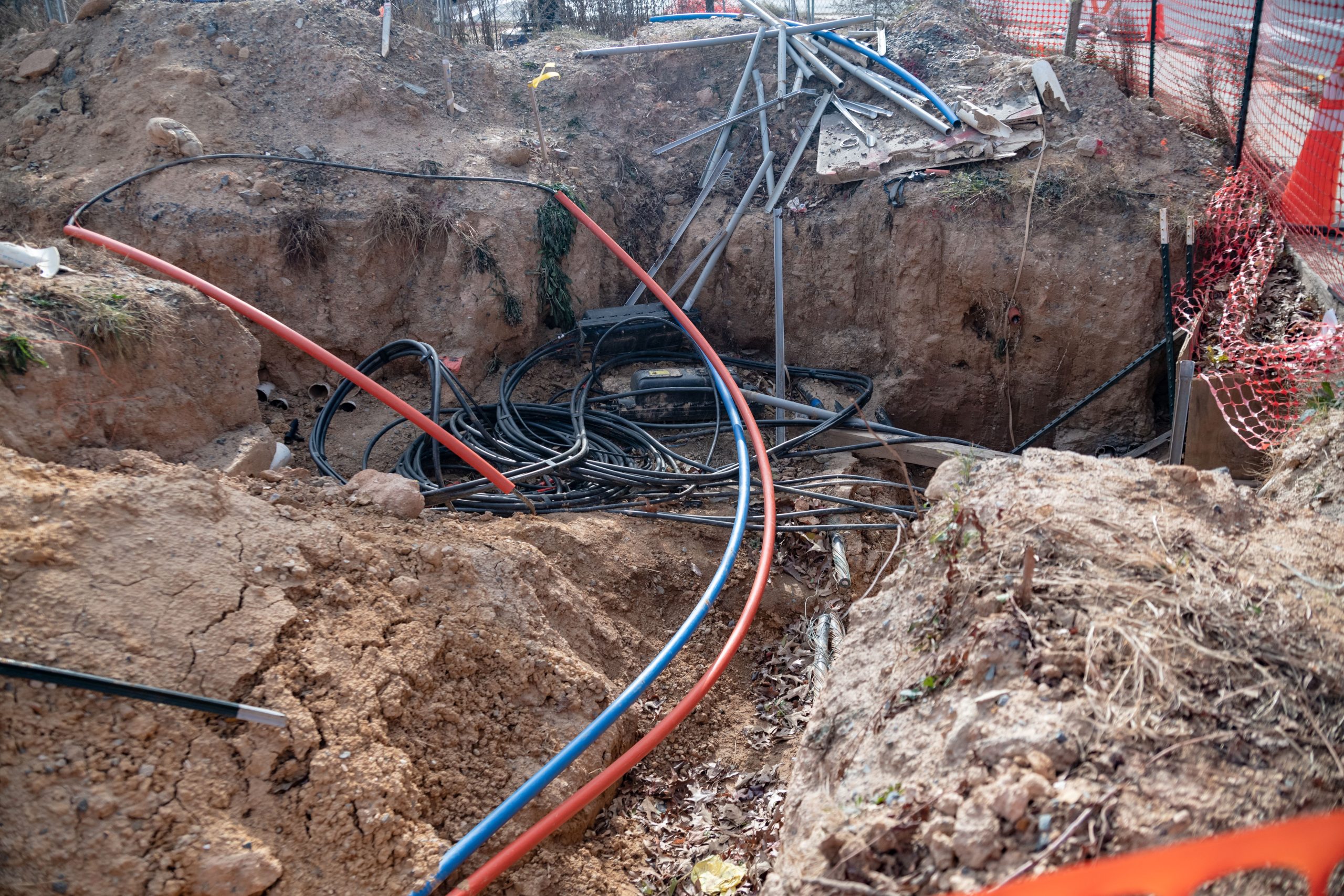
Excavation without proper utility mapping leads to the severance of underground medium-voltage cables. Above ground, vehicle impacts with utility poles can cause “cascading pole failures,” where the tension of the lines brings down multiple spans of the distribution network.
5. Wildlife and Environmental Interference

Small animals causing “arcing” in substations remains a persistent nuisance. However, the technical risk is the resulting “transient voltage” that occurs during the fault, which can migrate through the transformer and damage sensitive VFDs (Variable Frequency Drives) within your plant.
Brownouts vs. Blackouts
Distinguishing between these two events is critical for selecting the right protective hardware, such as UPS systems or Automatic Transfer Switches (ATS).
Voltage Sags (Brownouts)
A brownout is a drop in voltage—typically a reduction of 10% to 25%—rather than a total loss of current.
- The Danger: For a 150kW industrial motor, a drop in voltage forces an increase in amperage to maintain the required power ($P = V \times I$). This causes rapid heat buildup in the windings, significantly shortening the motor’s lifespan or triggering a thermal trip.
Total Interruptions (Blackouts)
A blackout is the complete loss of potential.
- Rolling Blackouts: These are controlled, intentional disconnections used by the ISO (Independent System Operator) to prevent a total grid collapse.
- Unplanned Blackouts: These are spontaneous and require an immediate transition to standby power, typically handled by a generator and an ATS in under 10 seconds.
The Industrial Preparedness Protocol
To maintain 99.999% uptime, a facility must implement a multi-layered defense strategy.
1. Strategic Load Analysis
Audit your facility to determine your “Survival Load” versus “Operational Load.”
- Can you maintain critical safety and data systems on a 300kW backup system, or do you require a 1,000kW prime-rated unit to keep production lines moving?
2. Redundancy and Switchgear Maintenance
An emergency generator is only as reliable as its transfer mechanism. Monthly testing of the ATS and annual infrared thermography on your switchgear will identify high-resistance connections before they fail during a real event.
3. Integrated Power Quality Solutions
For facilities with high-precision electronics, a generator alone isn’t enough. Incorporate a Double-Conversion Online UPS to “clean” the power, protecting against the surges and sags that often precede a total outage.
4. Rigorous Load Bank Testing
“Exercising” a generator without a load is insufficient and leads to “wet stacking” (unburned fuel accumulation). To ensure a 500kW generator will actually perform at capacity, it must undergo annual load bank testing at 100% of its nameplate rating.
5. Automated Monitoring and Telemetry
In 2026, manual monitoring is obsolete. Real-time telemetry allows for predictive maintenance, alerting you to low battery voltage, fuel contamination, or coolant heaters failures before the grid goes down.
Engineered Solutions for Mission-Critical Power
We provide the technical expertise and hardware required to bridge the gap between grid instability and operational continuity. Whether your site requires a mobile 150kW unit for temporary construction or a permanent 2,000kW standby system for a data center, we deliver high-spec equipment tailored to industrial demands.
Contact our engineering team today at 877-866-6895 to schedule a site load assessment.