
In the global supply chain of 2026, a warehouse is no longer just a storage space; it is a high-tech fulfillment engine. As automated picking systems, climate-controlled environments, and real-time inventory tracking become the industry standard, the “power-to-facility” connection has become the most critical point of failure. When the grid goes dark, the cost of downtime is measured not just in minutes, but in missed delivery windows, spoiled inventory, and compromised safety.
For logistics managers and facility owners, the transition from planning to production requires a proactive approach to power acquisition. Securing the right 150kW, 500kW, or 1,000kW asset is the only way to ensure that your facility remains a reliable link in the supply chain.
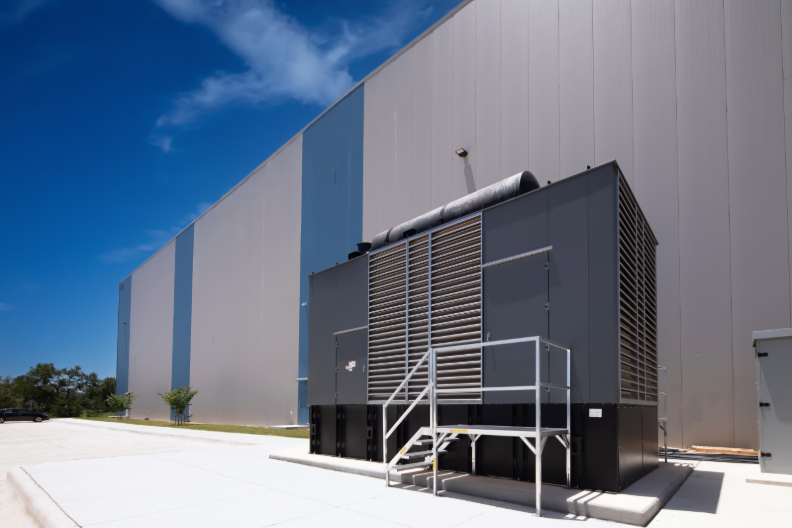
The High Stakes of Logistics Downtime
The modern warehouse relies on a complex web of electrical systems. A sudden power loss doesn’t just turn off the lights; it halts the entire operation.
- Automated Systems: Robotic sorters and conveyor belts require consistent, clean power. A sudden shutdown can lead to mechanical jams or data corruption in the warehouse management system (WMS).
- Security and Access: Electronic gates, loading dock levelers, and security cameras must remain functional to protect high-value inventory and ensure the safety of personnel.
- Connectivity: In a world of “Just-in-Time” logistics, losing Wi-Fi or server connectivity means losing visibility into the entire inventory.
To protect these assets, most mid-sized distribution centers require a minimum of a 300kW to 500kW generator to maintain essential operations during an outage.
Sizing the Solution From 150kW to 1,000kW+
Determining the correct kW rating for a warehouse depends on the facility’s specific load profile and the desired level of business continuity.
150kW to 300kW: Essential Operations
For smaller cross-docking facilities or dry storage warehouses, a 150kW or 300kW unit is often sufficient. This capacity covers life-safety systems (emergency lighting and fire pumps), dock door operation, and the primary server rack. It ensures the building is secure and can still ship or receive goods, even if the main HVAC or non-essential lighting is offline.
500kW to 800kW: Full Facility Support
Mid-to-large fulfillment centers often move into the 500kW to 800kW range. This allows for the continued operation of automated sorters, extensive LED bay lighting, and basic climate control. In regions prone to extreme weather, keeping the HVAC system running is a matter of both worker safety and equipment longevity.
1,000kW and Above: Industrial Strength
Large-scale regional hubs or facilities utilizing heavy duty industrial machinery require 1,000kW or even 2,000kW parallel systems. These “Heavy Iron” units provide total grid independence, allowing the facility to operate at 100% capacity regardless of external utility conditions.
The Cold Storage Priority
For cold storage and pharmaceutical warehouses, backup power is not an option, it is a mandatory requirement. A power failure in a freezer warehouse can lead to millions of dollars in spoiled products in a matter of hours.
These facilities require high-capacity units (typically 1,000kW+) with rapid transient response. When the massive compressors of a refrigeration system cycle on, they draw a huge “inrush” of current. A generator must be sized to handle these spikes without a voltage dip that could trip the cooling controllers. For these high-stakes environments, diesel remains the preferred fuel source due to its energy density and “instant-on” Reliability.

The 2026 Reality
The most significant challenge for warehouse developers in March 2026 is the lead time crisis. Annotating a requirement for a new 1,000kW generator on a blueprint is a hollow gesture if the factory cannot deliver that unit for 24 months.
The acquisition of surplus and used inventory has become the primary strategy for proactive facility managers. By choosing a verified, load-bank tested unit, a warehouse can achieve resilience in weeks instead of years.
- Immediate Shipment: Bridge the power gap and meet project deadlines.
- Proven Reliability: Every unit undergoes a 31-point inspection to ensure it meets original manufacturer specifications.
- Cost Efficiency: Surplus units can offer 40% to 60% savings over new models, providing a much faster return on investment.
Securing Your Supply Chain
In a competitive logistics market, reliability is a key differentiator. A warehouse that can guarantee uptime is a warehouse that wins contracts. Whether you are looking for a 150kW unit for a small depot or a 1,000kW plant for a national distribution hub, the right power acquisition strategy protects your inventory, your employees, and your reputation.
Ready to protect your facility from the next grid failure?
Browse Warehouse-Ready Inventory | Request a Professional Power Audit