In the industrial power landscape of 2026, the 2,000kW generator represents the apex of standby resilience. This is the “heavy lifter” of the energy world, the single-unit solution that can power a hyperscale data center wing, a regional hospital’s entire critical branch, or a massive industrial manufacturing line.
But at this scale, a generator is no longer just a piece of equipment; it is a fundamental component of your power-to-facility infrastructure. Integrating a 2,000kW asset requires a deep understanding of transient physics, structural engineering, and the strategic acquisition landscape of a post-supply chain crisis world.
The Scale of 2,000kW
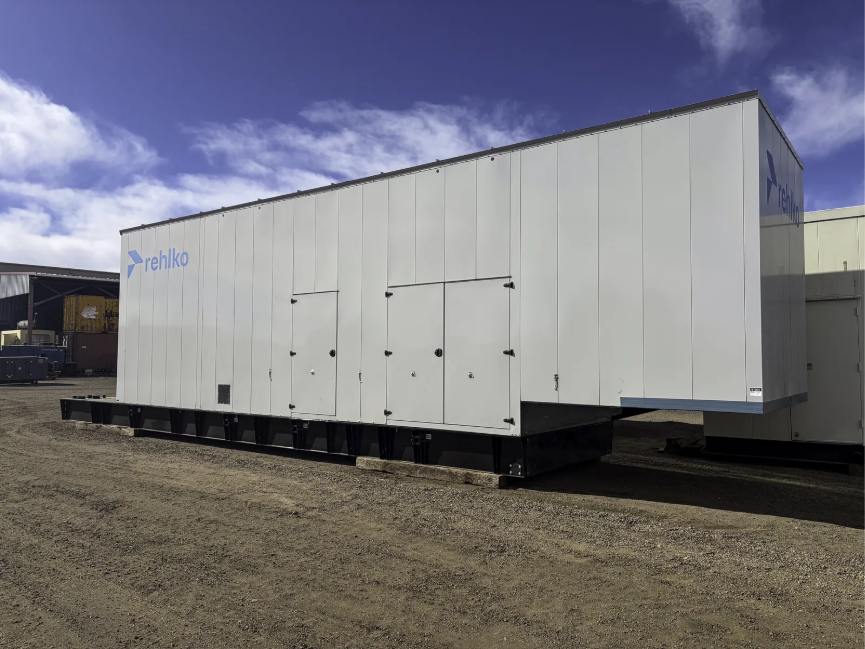
To understand a 2,000kW (or 2.0 Megawatt) unit, you must first understand the physics of its potential. A single unit of this size provides enough power to support approximately 1,500 to 2,000 residential homes simultaneously. In a commercial setting, it is the threshold where electrical architecture often transitions from low-voltage (480V) to medium-voltage (4,160V or 13,800V) configurations.
Physical and Mechanical Footprint
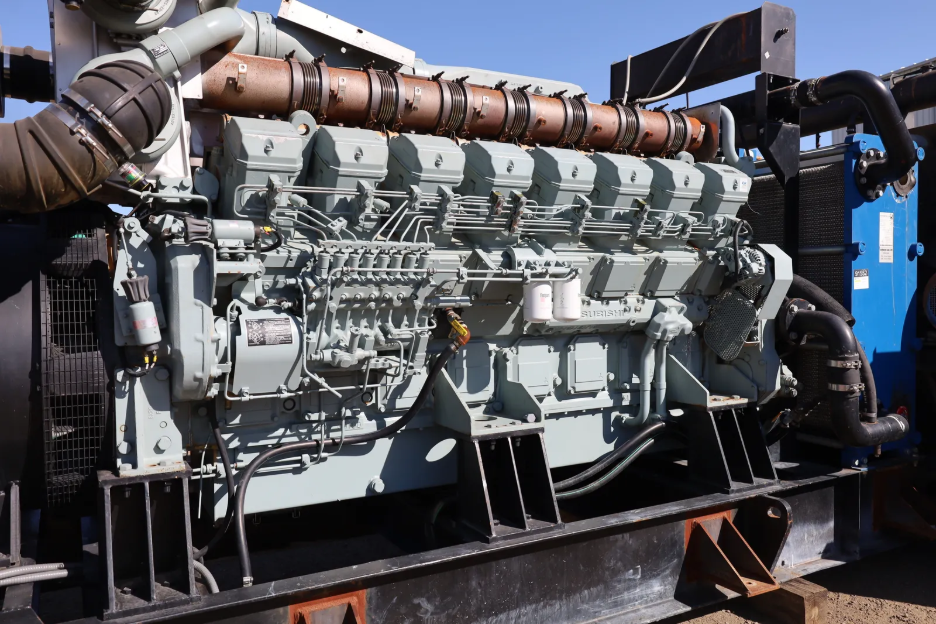
A 2,000kW generator is a massive engineering marvel. Typically powered by a V-16 or V-20 industrial engine (such as the Caterpillar 3516 series or the Cummins QSK60), these units often weigh between 75,000 and 85,000 lbs. without fuel.
- Dimensions: A standard containerized 2,000kW unit usually requires a 40-foot 45-foot ISO container footprint.
- Fuel Consumption: At 100% load, a diesel 2,000kW engine will consume approximately 140 to 160 gallons per hour. This necessitates massive onsite storage—typically a 2,000 to 4,000-gallon sub-base tank—to meet the 48-hour to 72-hour runtime requirements of mission-critical facilities.
The Physics of Power-to-Facility
The most critical technical metric for a 2,000kW generator is not its steady-state output, but its transient response. When a utility failure occurs, the “power-to-facility” connection must handle the sudden, massive “inrush” of current as motors, chillers, and UPS systems all attempt to restart at once.
The 100% Block Load Standard
Under NFPA 110 Level 1 standards (common in healthcare and data centers), a 2,000kW unit must be capable of accepting its full rated load in a single step while maintaining voltage and frequency stability.
- Voltage Dip: A high-quality unit like the Kohler KD2000 or CAT 3516E is designed to limit voltage dips to less than 15-20% during a 100% block load.
- Recovery Time: The engine’s governor and the alternator’s voltage regulator must bring the system back to nominal values within seconds. This “stiffness” of power protects sensitive electronic components from tripping during the transition.
N+1 Redundancy and the Paralleling Strategy
While a single 2,000kW generator is powerful, the gold standard for modern infrastructure is the paralleled N+1 configuration. In this setup, “N” represents the number of units required to carry the full load, and “+1” is the redundant unit that allows for a failure or maintenance window without losing protection.
The Role of Paralleling Switchgear
Integrating multiple 2,000kW units requires a sophisticated paralleling switchgear. This gear acts as the “brain” of the power-to-facility system, handling:
- Synchronization: Ensuring all unit’s match voltage, frequency, and phase angle perfectly before their breakers close.
- Load Sharing: Distributing the facility demand proportionally, so no single engine is overstressed.
- Load Shedding: If a unit fails, the switchgear instantly prioritizes “critical” loads (like life safety and servers) over “non-essential” loads (like lobby lighting).
Strategic Applications for the 2.0-Megawatt Asset
Hyperscale Data Centers
In the world of AI and cloud computing, 2,000kW units are the primary building blocks. They provide the massive energy density required to cool high-density server racks. N+1 or 2N redundancy is the standard here, ensuring 99.999% uptime.
Regional Medical Centers
A large hospital often utilizes two or three 2,000kW units to cover the entire facility. This allows the hospital to maintain not just life-safety systems, but also full climate control and advanced imaging (MRI/CT) during a prolonged grid outage.
Municipal Infrastructure
Water treatment plants and pumping stations rely on 2,000kW units to drive massive pumps that move millions of gallons of water. These units are often required to be EPA Tier 4 Final compliant to meet strict urban emissions standards.
The 2026 Acquisition Landscape: Used vs. New
In March 2026, the “Cost of Waiting” became the primary driver of acquisition strategy. Lead times for factory-new 2,000kW units are still hovering between 18 and 24 months. For many projects, this delay is unacceptable.
The Immediate Advantage of Surplus Inventory
By acquiring a high-quality, low-hour used or surplus 2,000kW unit from Generator Source, you bypass the lead-time crisis. However, on this scale, verification is non-negotiable.
- The 31-Point Inspection: Every unit must undergo a rigorous mechanical and electrical audit, checking everything from cylinder compression to alternator insulation resistance.
- Certified Load Bank Testing: A 2,000kW unit should be tested at 100% capacity for a minimum of 2 to 4 hours to verify its thermal and electrical stability.
Securing Your Energy Future
A 2,000kW generator is more than an emergency backup; it is a strategic asset that defines your facility’s resilience. Whether you are building a new data center or upgrading a municipal utility, the integration of a 2.0-Megawatt system requires a partner who understands the “Heavy Iron” of the power-to-facility world.
Don’t let your project stall while waiting on a factory backlog. Secure the power you need today with a verified, immediately shipped 2,000kW asset.