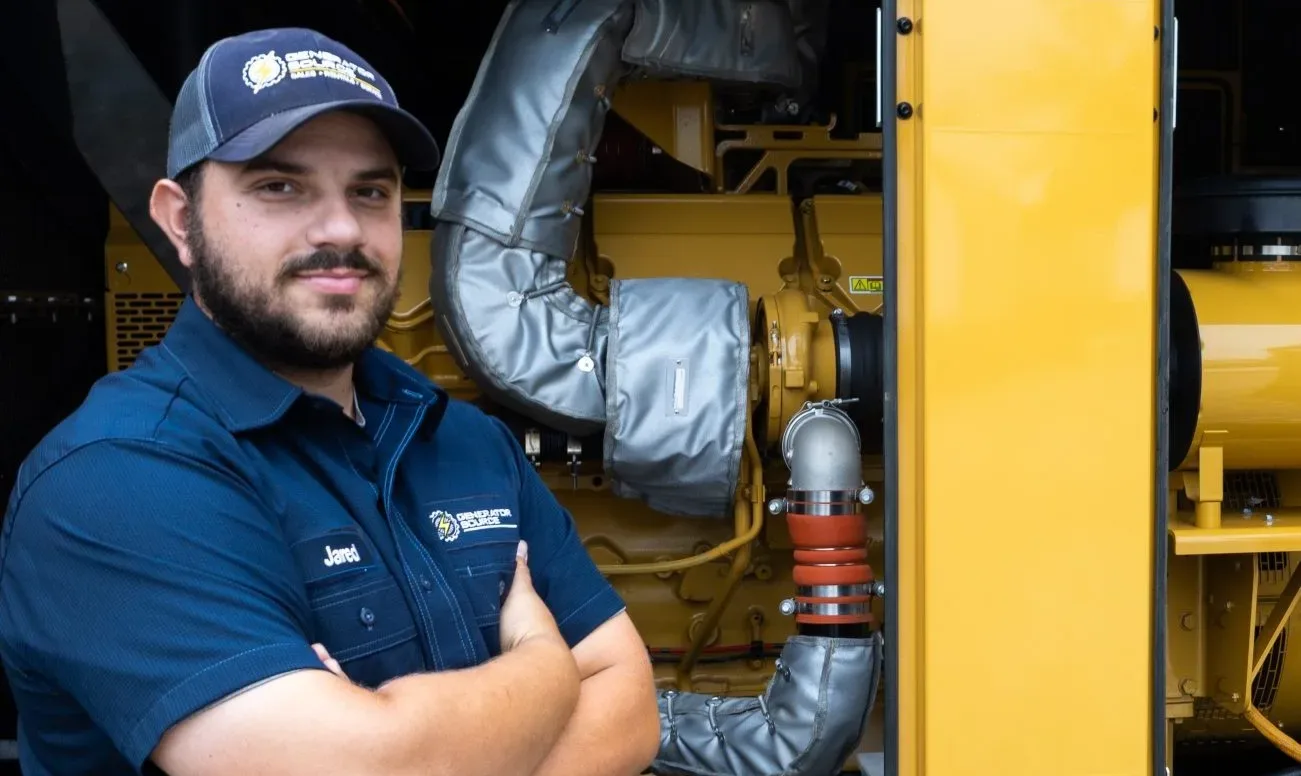

Load Bank Testing for Industrial & Commercial Generators
50+ years · Local Colorado Springs expers · All makes & models · In-stock parts · EGSA Certified Pros
Generator Source performs professional load bank tests to verify that your standby or prime power system can deliver rated power safely and reliably when it matters most.
What Is a Load Bank Test?
A load bank safely applies a controlled, incremental electrical load to your generator and measures performance at each step. Our technicians simulate real-world conditions, typically at 25%, 50%, 75%, and 80%, to verify the unit’s capability, stability, and cooling capacity over time.
Why Load Bank Testing Matters
A generator that starts is not the same as a generator that performs.
- Power Rating: Confirms the unit can produce rated kW and maintain voltage and frequency stability under real demand.
- Wet Stacking: Prevents wet stacking in diesel units by burning off unburned fuel and carbon.
- Hidden Issues: Reveals hidden issues (cooling, fueling, controls) before an outage.
- Compliance: Documents performance for audits, insurers, and compliance programs.

What We Test & Verify
- Electrical performance: voltage, frequency (Hz), phase balance, power factor
- Output stability: response to step-load changes, transient recovery
- Thermal behavior: exhaust temps by cylinder (IR checks), coolant temps, oil temps
- Mechanical health: vibrations, abnormal noise, leaks, belt condition
- Controls & protection: alarms, shutdowns, governor/AVR response, safeties
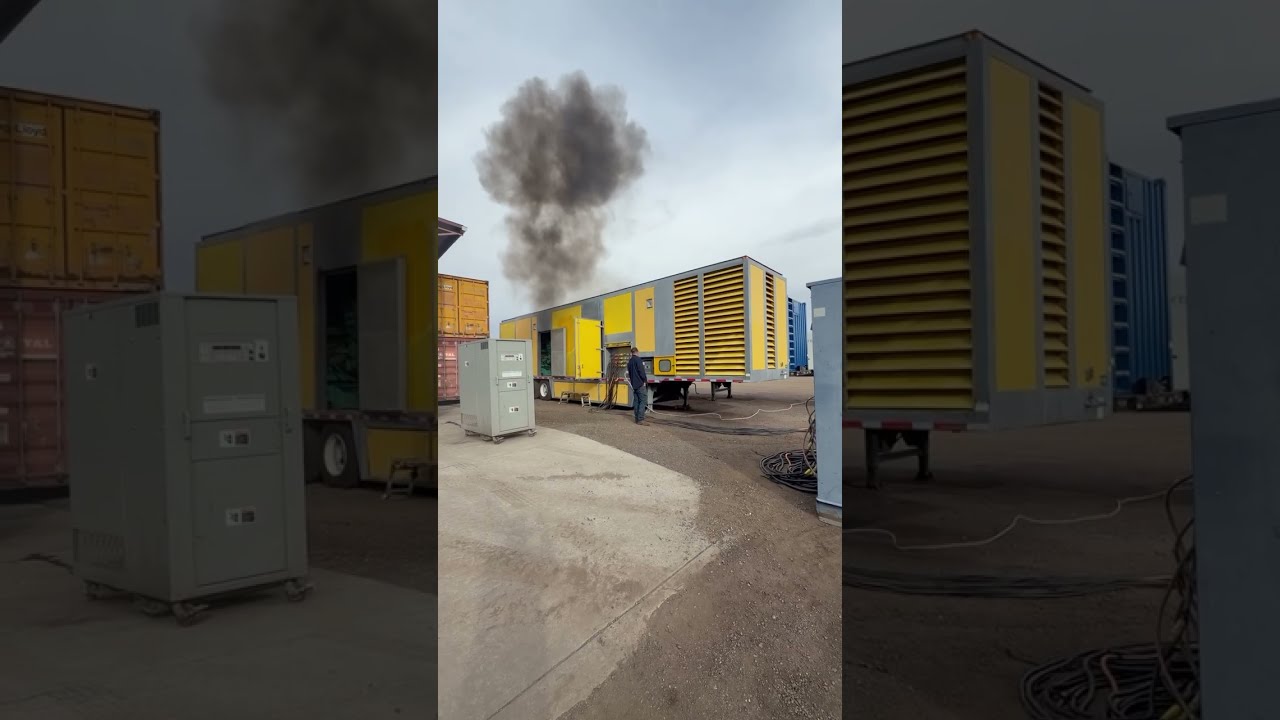
- Emissions health (diesel): soot and visible smoke reduction after full-load operation
- Deliverables: a signed Load Bank Report with all readings, observations, pass/fail notes, and recommendations.
Our Load Bank Testing Process
- Pre-test inspection: Visual checks, fluid levels, belts/hoses, battery and starter condition, fuel supply, and airflow.
- Warm-up & baseline: Verify no-load voltage/frequency, governor and AVR baseline.
- Step loading: Apply 25% → 50% → 75% → 80% load; hold each stage to stabilize and log readings.
- Sustained full-load run: Prove continuous power delivery; monitor cooling/exhaust temps and engine response.
- Step unload & recovery: Observe voltage/frequency recovery and protective device behavior.
- Post-test inspection: Re-check leaks, connections, codes/alarms; review results with your team.
- Report & recommendations: Detailed documentation plus prioritized action items (e.g., cooling service, fuel polishing,
Common Issues a Load Bank Test Catches Early
Underfrequency/Undervoltage
Underfrequency/undervoltage under load (governor/AVR tuning needed)
Fuel Starvation
Fuel starvation from clogged filters or contaminated fuel
Wet Stacking
Wet stacking from chronic low-load operation

Load Bank Pass/Fail Criteria
- Maintain rated kW at specified voltage and frequency with acceptable droop limits
- Hold phase balance within tolerance
- Sustain full-load temps without alarms or shutdowns
- Recover smoothly from step-load changes
- Failures trigger a corrective action plan, our technicians outline exactly what to fix and how urgent it is
Why Starting Isn’t the Same as Performing

Most standby generators live on an exercise program. The unit kicks on for maybe 20 minutes, once a month, and runs with little or no load against the building. That proves one thing: the generator starts and runs. It proves nothing about whether it can carry your facility under strain, and it does nothing for the longevity of the machine.
Here’s the part that catches people. A light-load exercise schedule can actively work against you. If the engine never reaches full operating temperature, it never gets hot enough to burn off the excess fuel and carbon that build up inside the exhaust and combustion system. Run that way long enough and the exercise routine you thought was protecting the unit is quietly degrading it. The only way to know where your maintenance plan is falling short is to put the unit under real strain and see what moves. For the broader program this fits into, see our preventative maintenance services.
Wet Stacking: What Low-Load Running Does to a Diesel

Wet stacking is the buildup of unburned fuel, carbon, and moisture in a diesel engine’s exhaust system, and it comes from exactly the low-load running an exercise-only schedule encourages. When combustion temperatures stay too low, fuel doesn’t fully burn. It collects as a wet, sooty residue, glazes cylinders, fouls turbochargers, and robs the engine of the output you’re counting on.
“With light-loaded units, the exhaust loads up with fuel and carbon builds up. The engine temperatures are lower, so it’s not going to burn off the exhaust correctly.” — Cole, Service Technician
The reason a load bank fixes this is temperature. Pushing the engine to real load raises combustion temperatures enough to burn the deposits off and restore healthy operation. It’s also why we finish a test with a hot oil change, pulling the loosened carbon and gunk out of the system while everything is still warm.
The Test Types, and What You Actually Need
Not every load test is the same, and the differences matter when you’re deciding what your facility needs.
“Heating elements pull the most amperage. That’s basically what a load bank is. There are two kinds, resistive and reactive. Resistive tests the engine, reactive tests the generator end components.” — Cole, Service Technician
A standard stepped load bank test, the kind this guide focuses on, applies load in stages and holds each one, giving the engine time to stabilize while a technician logs readings. It proves the unit is healthy and can hold load over time.
A block load test works differently. Instead of ramping up in steps, it applies the full demand all at once, drops it, and reapplies it. That tests load acceptance, sometimes called transient response, which is the generator’s ability to take a sudden hit without sagging voltage or frequency or shutting down. A unit can pass a smooth stepped test and still stumble on a block load if its governor or fuel system can’t keep up with a sudden inrush. If your generator has to pick up a large load the instant an automatic transfer switch fires, that behavior is worth proving directly. We cover it in depth in our guide to block load testing.
How a Load Bank Test Works, Step by Step

The test follows a consistent sequence. It starts with a full inspection of the unit, our 31-point inspection, to confirm it’s sound before any load goes on. Then the cables get connected to the breaker, sized to the unit. On a 2000kW Caterpillar rated for 3,007 amps, for example, we calculate the target kW, work out how many cables the test needs, and set the load bank to match the unit’s voltage. Get the voltage setting wrong and you’ll blow a fuse on the load bank itself.

“Due to the altitude where we’re at, we load bank the units up to 80 percent. If you pushed it to 100 percent here, you’d see a drop in frequency and fuel pressure.” — Cole, Service Technician
From there the load comes on in stages. We run at roughly 25 to 30 percent for 10 to 15 minutes, step up to 50 percent, then to a sustained run held for 30 minutes to an hour. Here at our Brighton yard, near 5,000 feet, we cap the test around 80 percent of nameplate to account for altitude derating, which is normal and expected at elevation. Throughout, we record pressures and temperatures, confirm the unit is putting out correct and stable voltage at 60Hz, and watch that coolant temperature isn’t climbing. If something moves, we diagnose and fix it on the spot. The test closes with a signed report of every reading.
What the Test Catches Before an Outage Does
The whole point is to surface problems on your schedule instead of during an emergency. The recurring culprits we see under load are overheating from leaking radiators or bad thermostats, unstable voltage that points to a regulator issue, fuel starvation from clogged filters or contaminated fuel, control panels reading incorrect voltage or amperage, and wet stacking from chronic light running.
Finding one of these on a load bank is the good outcome, even when it’s dramatic. A breaker that fails during a test is close to a best-case scenario, because qualified technicians are already on site to diagnose and repair it in real time, rather than discovering it the hard way during an outage.
That’s the real math. The same fault costs very differently depending on when you find it. Catch it on a scheduled test and it’s a planned repair. Miss it and you’re looking at an emergency call, downtime, and the losses that ride along with it. We’ve seen businesses lose not just revenue during an outage but spoiled inventory, and then have insurance claims denied because the outage was planned and the equipment hadn’t been properly tested.

“It’s definitely better to have us do it on the front end rather than a service call.” — Emett Grazier, National Director of Service, Generator Source
For a megawatt-scale example of a clean run, see our 4MW Caterpillar load bank test.
Load Bank Testing and NFPA 110 Compliance

If your facility answers to NFPA 110, the standard for emergency and standby power systems, here’s what it actually requires, because a lot of what’s written online gets this wrong.
NFPA 110 requires a monthly exercise of at least 30 continuous minutes, run at either the manufacturer’s minimum exhaust gas temperature or at least 30 percent of the unit’s nameplate kW rating. Running at no load does not satisfy the requirement.
The annual load bank test is conditional, not automatic. It’s required only when your monthly runs can’t reach that 30 percent threshold, which is the case for most standby units sitting on light building load. Under the 2025 edition, the supplemental protocol is 50 percent of nameplate for 30 minutes followed by 75 percent for 60 minutes, a 1.5-hour test. Older editions used a stepped 25/50/75 profile, so which one applies depends on the edition your authority having jurisdiction has adopted. Separately, Level 1 systems require a full-capacity test every 36 months regardless of monthly load levels.
One thing to be clear about: we document your generator’s performance and give you the signed report, but the compliance obligation itself stays with you as the owner. For a deeper look at compliance for critical facilities like hospitals and data centers, see our guide to professional load bank testing for NFPA 110 compliance.
How Often Should You Load Bank Test?
Even setting compliance aside, an annual load bank test is a sound baseline for any commercial standby unit, with semi-annual testing worth considering for mission-critical sites or harsh environments.
“Once a year is our baseline recommendation. But if a customer is in health care or operating critical infrastructure, we recommend they contact their regulatory body, because they may have stricter requirements.” — Mark Marar, Outside Service Sales
A common objection is that a unit which just sits doesn’t need it. The opposite is true. The more an engine sits, the more its fluids settle and break down, and the more a real test earns its keep. Testing also makes sense after major repairs, control retrofits, or long idle periods, and ahead of hurricane or winter season before you’re depending on the unit for real.
Frequently Asked Questions
Is a load bank test the same as exercising my generator?
No. Exercising runs the unit briefly at little or no load and only proves it starts. A load bank test applies real, controlled load so the generator has to perform the way it would in an outage.
How long does a load bank test take?
A typical stepped test runs a few hours on site, including setup, the staged run held at each step, cool-down, and documentation. Larger units and full-capacity compliance tests take longer.
Is load bank testing required by NFPA 110?
It’s conditional. If your monthly exercise can’t reach 30 percent of nameplate kW, NFPA 110 requires an annual supplemental load bank test. Level 1 systems also require a full-capacity test every 36 months.
What load percentage is used in a test?
A comprehensive test steps up toward full rated load. At our Brighton facility we cap around 80 percent of nameplate to account for altitude. NFPA 110’s 2025 supplemental protocol calls for 50 percent then 75 percent.
Load Bank Videos
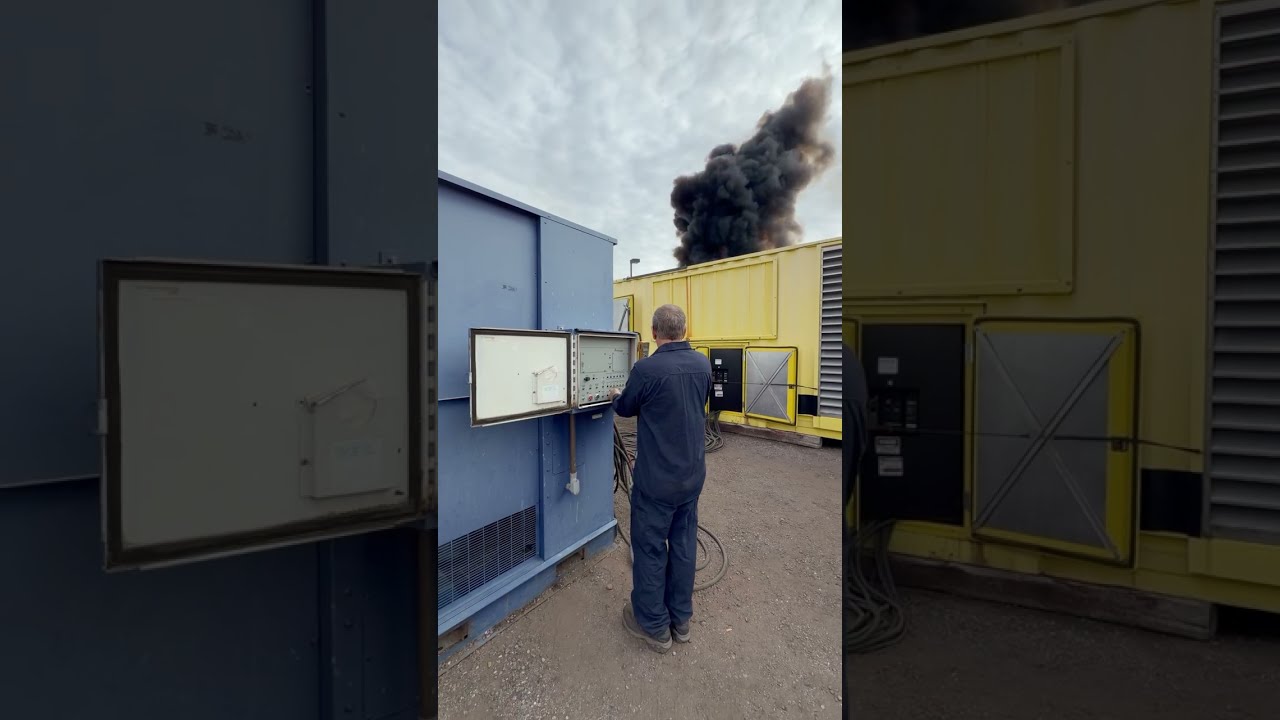


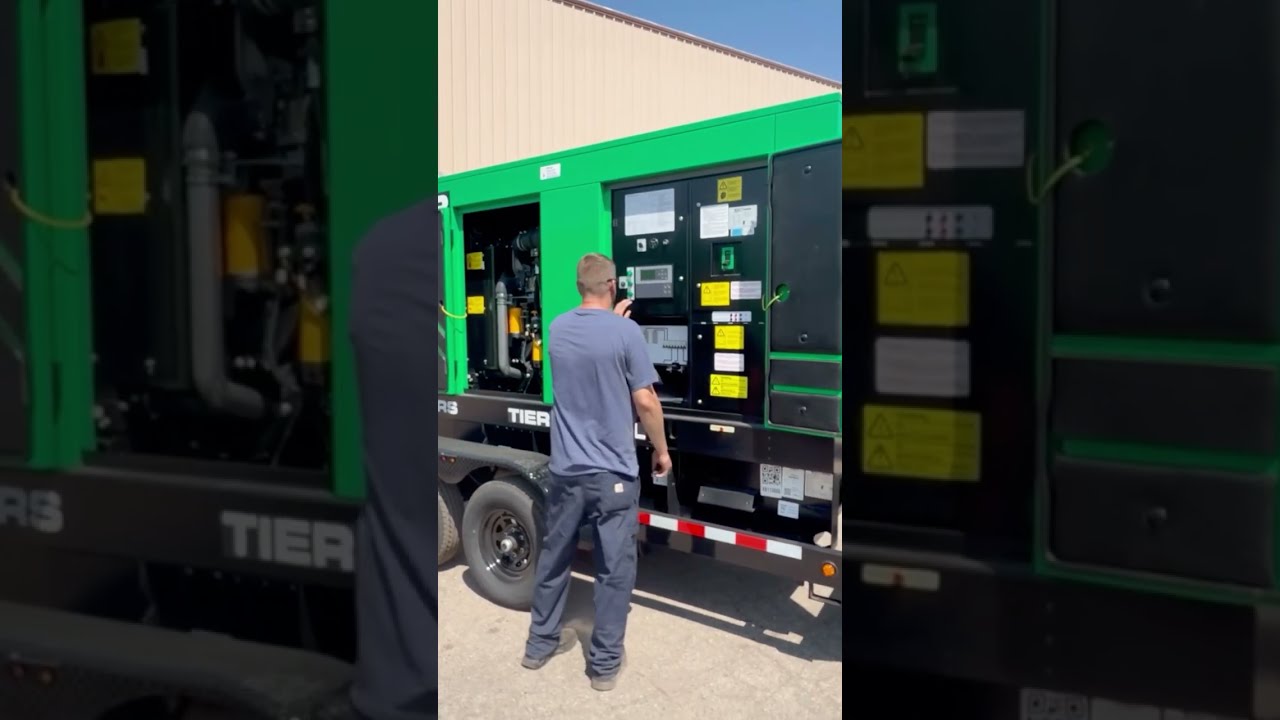




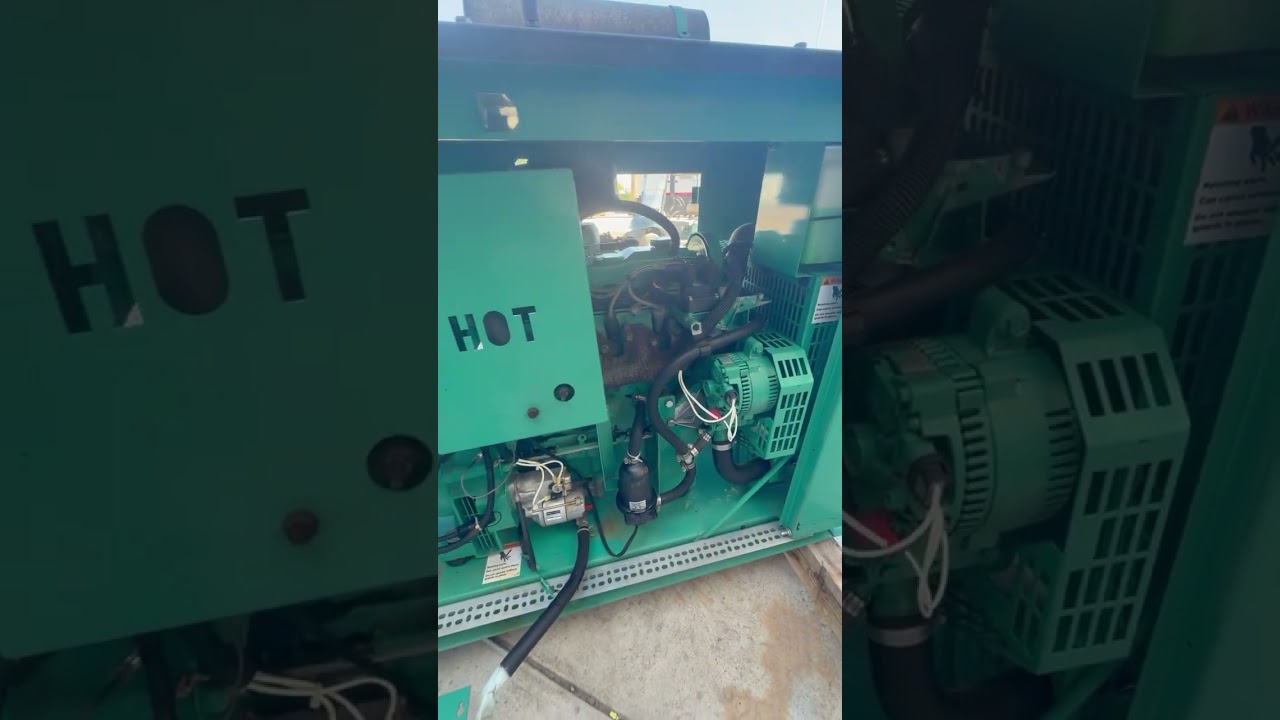


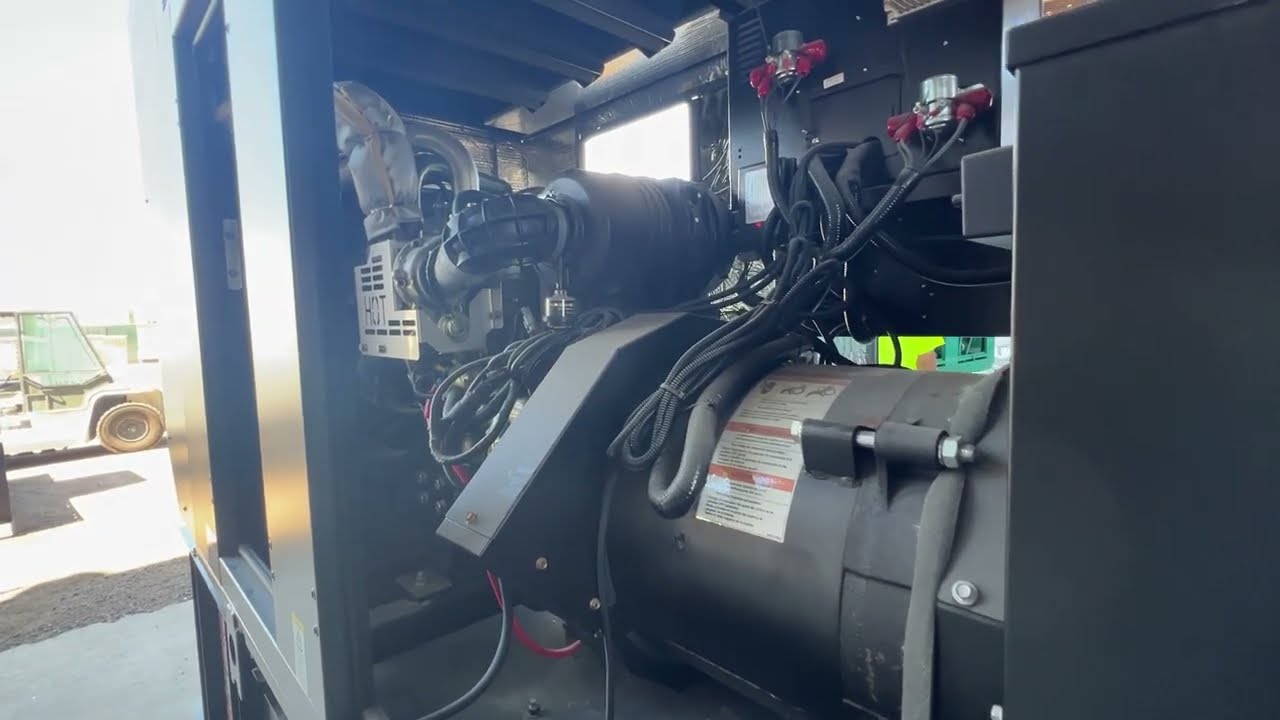

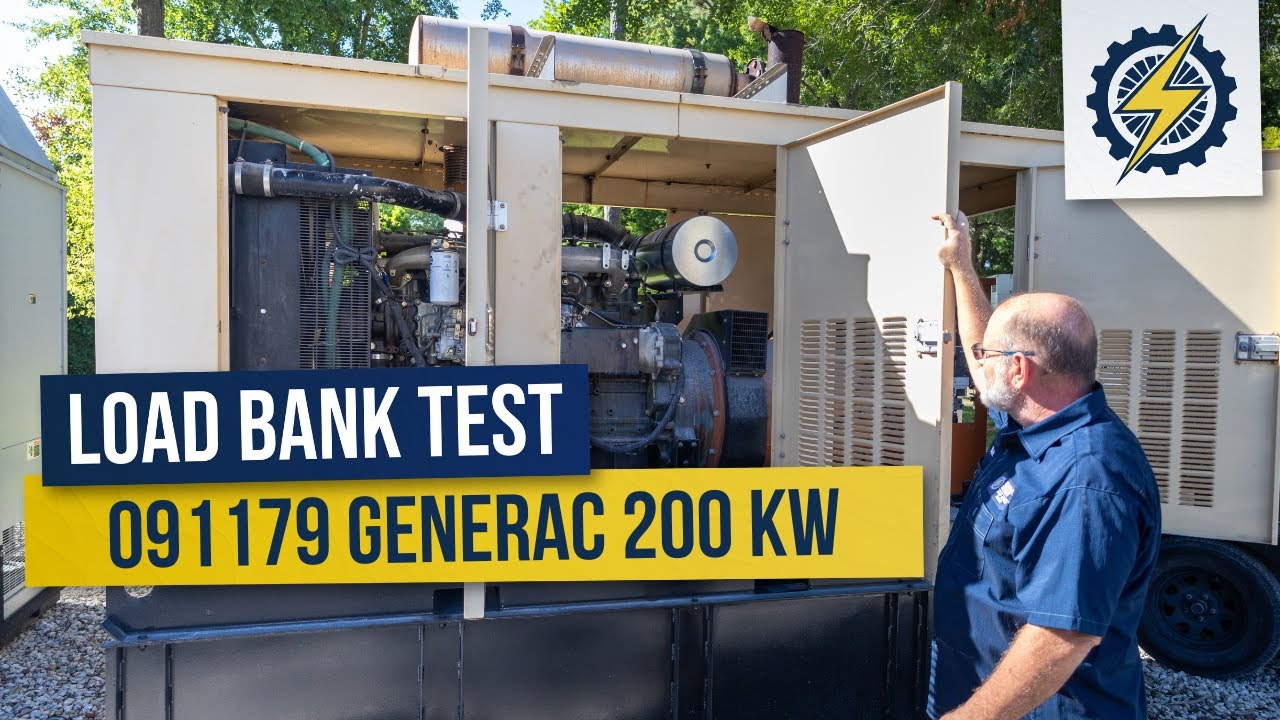
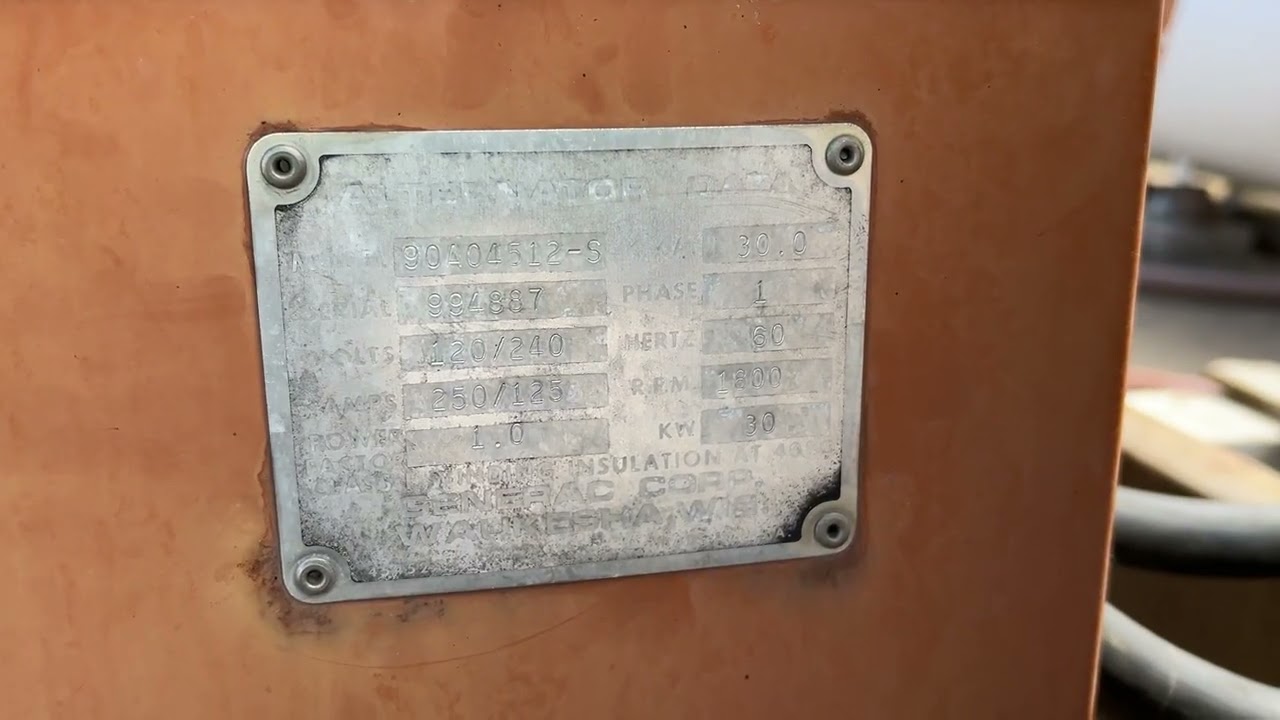
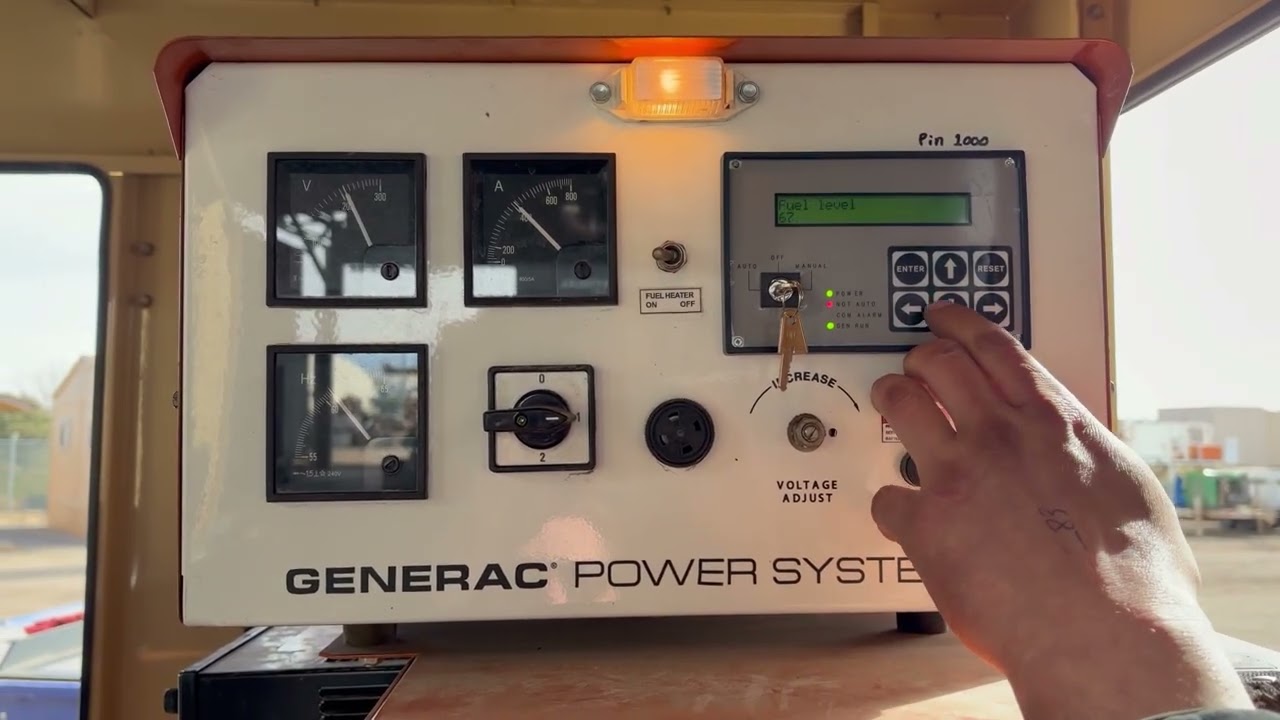


Load Bank Testing a 2000kW Caterpillar Diesel Generator | 31-Point Inspection | Generator Source


Load Bank Testing Generators - Commercial Generator Sets

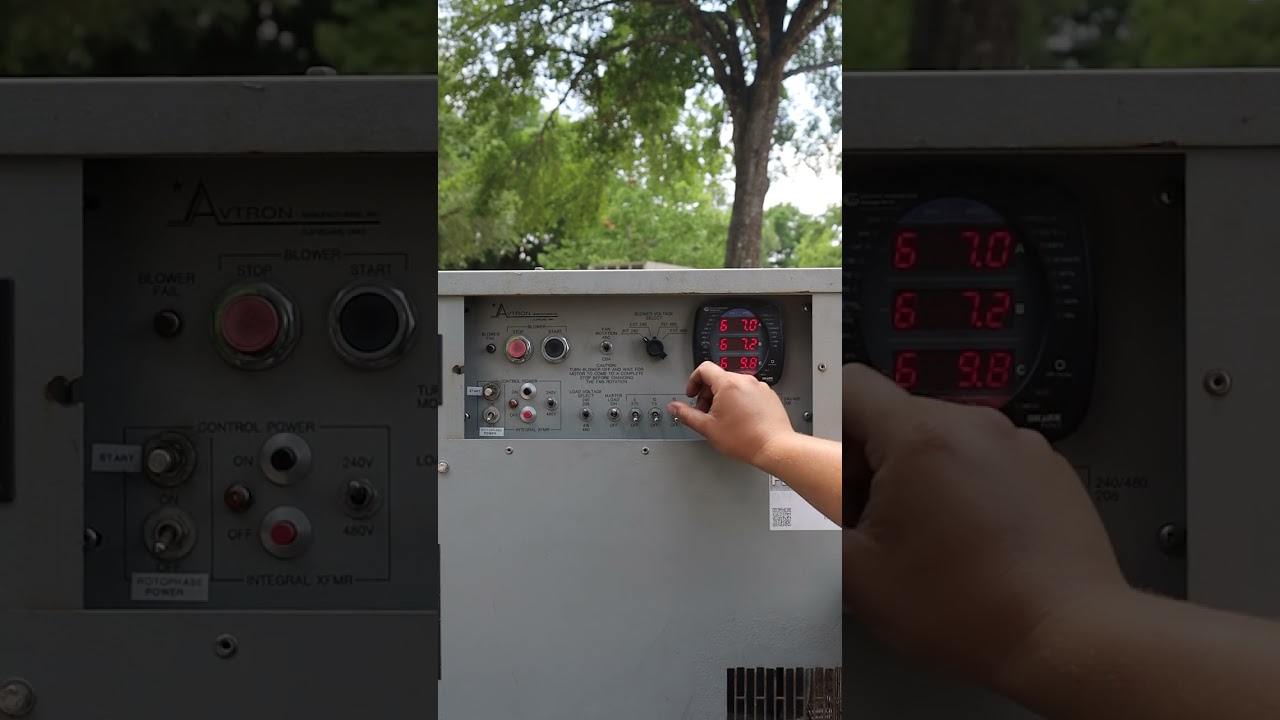
What We're Watching During a Load Bank Test | Pressures, Temps, Voltage

Load Bank Testing: What Your Generator Exercise Program Can't Tell You
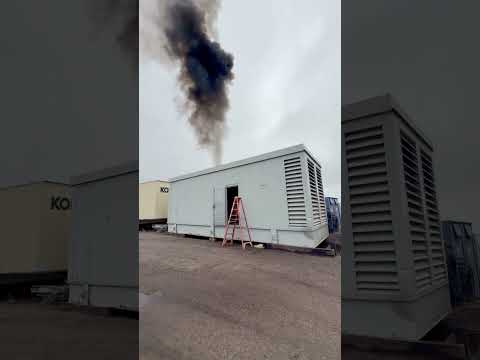
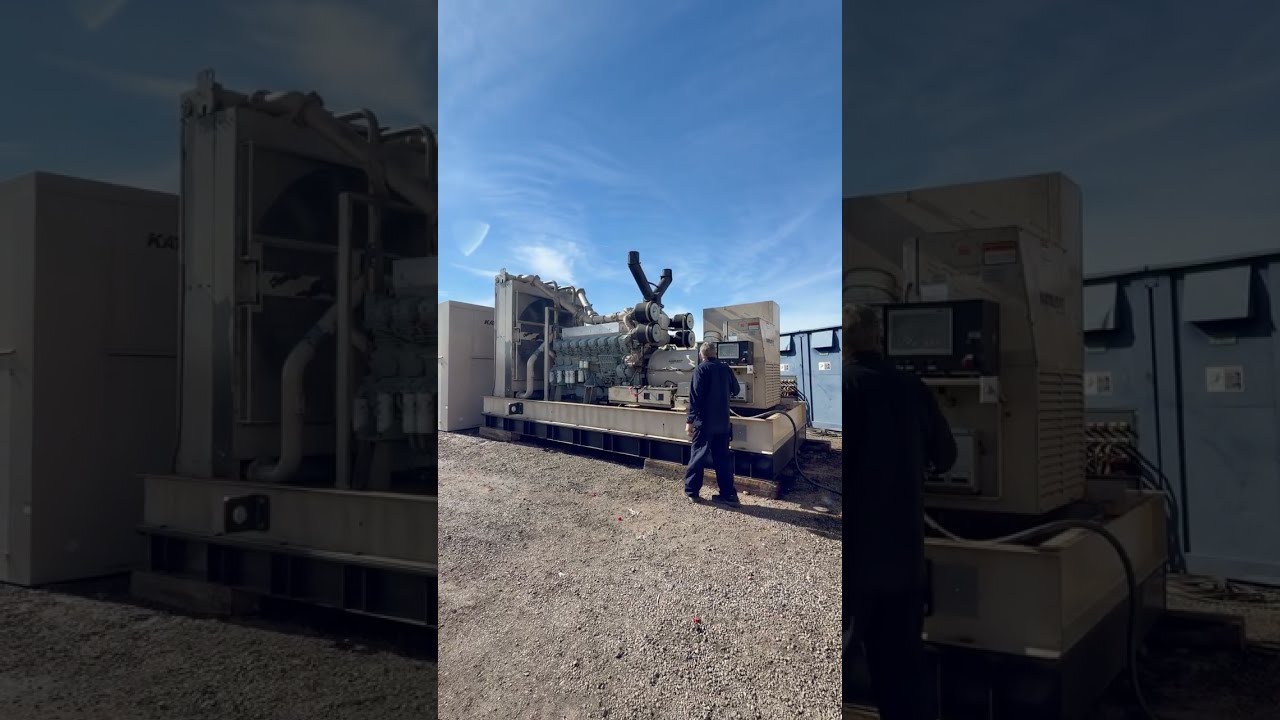
2000kW Katolight Diesel Generator | Load Bank Test | Unit 093635


Why Load Bank Testing Prevents Wet Stacking | Tech Talk Tuesday


1250kW Caterpillar Diesel Generator LOAD BANK TEST | 3-Phase, 277/480V Unit 093010


2000kW Kohler Diesel Generator | Load Bank Test | Generator Source Brighton, CO USA


1000kW Cummins Diesel Generator | Load Bank Test | Generator Source Brighton, CO USA
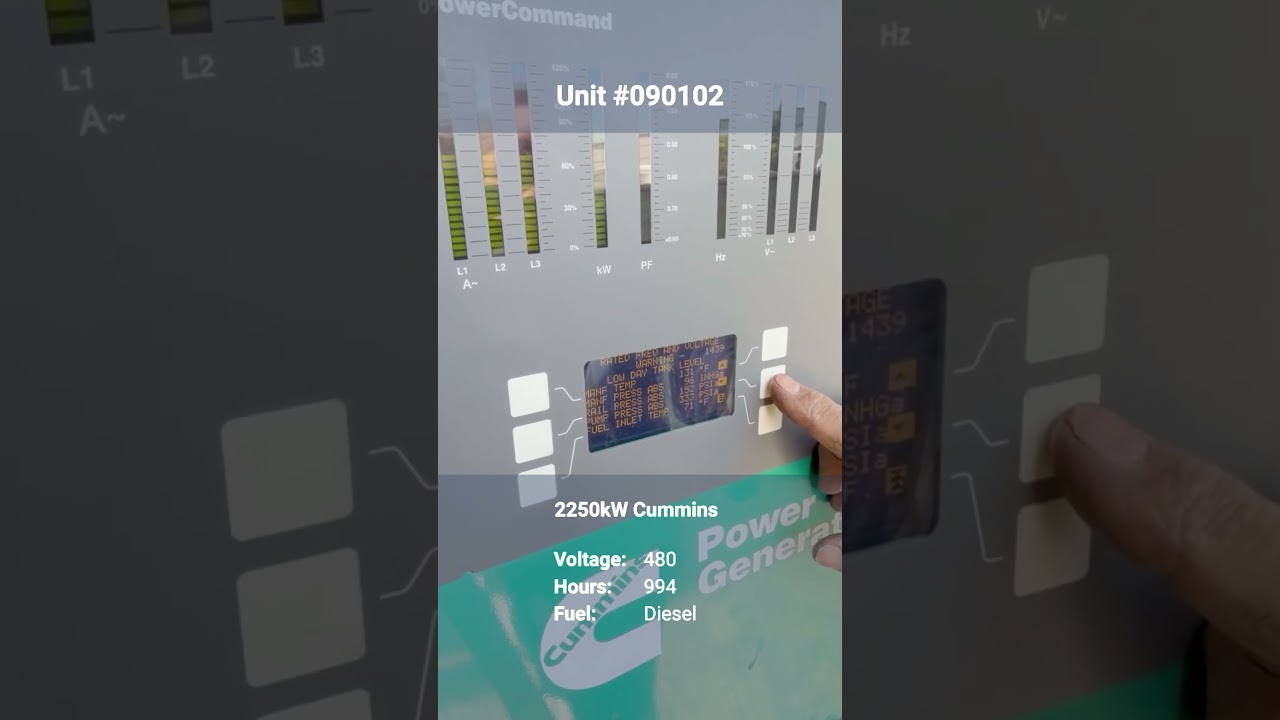


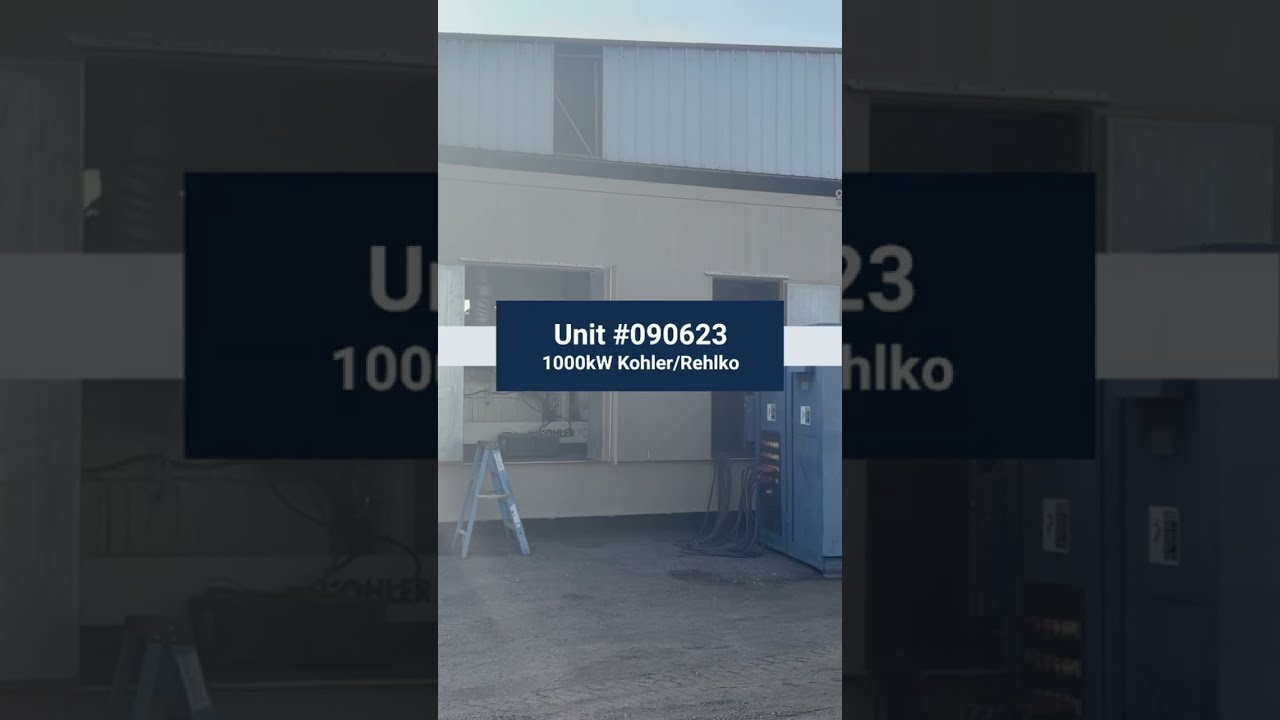
1000kW Kohler Diesel Generator Load Bank Test | Mitsubishi Powered Standby Unit


Power in Action ⚡ Generac 200 kW Load Bank Test! #dieselgenerators #generatorsales #generac
Power in Action ⚡ Generac 200 kW Load Bank Test! #dieselgenerators #generatorsales #generac


Katolight 1250 kW Load Bank Test Highlights Short




Why Load Bank Testing Matters for Diesel Generators | Generator Source

1000kW Cummins Diesel Generator | Load Bank Test | Generator Source Brighton, CO USA





80kW Kohler Rehlko Diesel Generator LOAD BANK TEST | 3-Phase, 240V Unit 093241

800kW Cummins Diesel Generator LOAD BANK TEST | 3-Phase, 277/480V Unit 090350


600kW Cummins Diesel Generator LOAD BANK TEST | 3-Phase, 277/480V Unit 092883


350kW Caterpillar Natural Gas Generator LOAD BANK TEST | 3-Phase, 277/480V Unit 093209


350kW Caterpillar Diesel Generator LOAD BANK TEST | 3-Phase, 277/480V Unit 093044


Kohler 1,000 kW Load Bank Test Reliable - Power in Action! #backuppower #dieselgenerators #kohler


120kW Whisperwatt Diesel Generator | Load Bank Test | Generator Source


600kW Kohler Rehlko Diesel Generator LOAD BANK TEST | 3-Phase, 480V Unit 092298

217kW Baldor Natural Gas Generator | Load Bank Test | Generator Source


Portable Power! Load Bank Testing A HiPower 130kW Diesel Generator- Unit 88297

Why We Do a Hot Oil Change After Load Bank Testing

30kW Liquid Propane Generator | Load Bank Test | Generator Source


322kW Baldor Natural Gas Generator | Load Bank Test | Generator Source

45kW Magnum Diesel Generator Load Bank Test | Unit 93466

350kW Caterpillar Natural Gas Generator LOAD BANK TEST | 3-Phase, 277/480V Unit 093208

Why Generator Exercise Is Not Enough | Load Bank Testing Explained


60kW Natural Gas Generator | Load Bank Test | Unit 093123


Liquid Propane Generator Load Bank Test #generatorsales #standbygenerator #florida


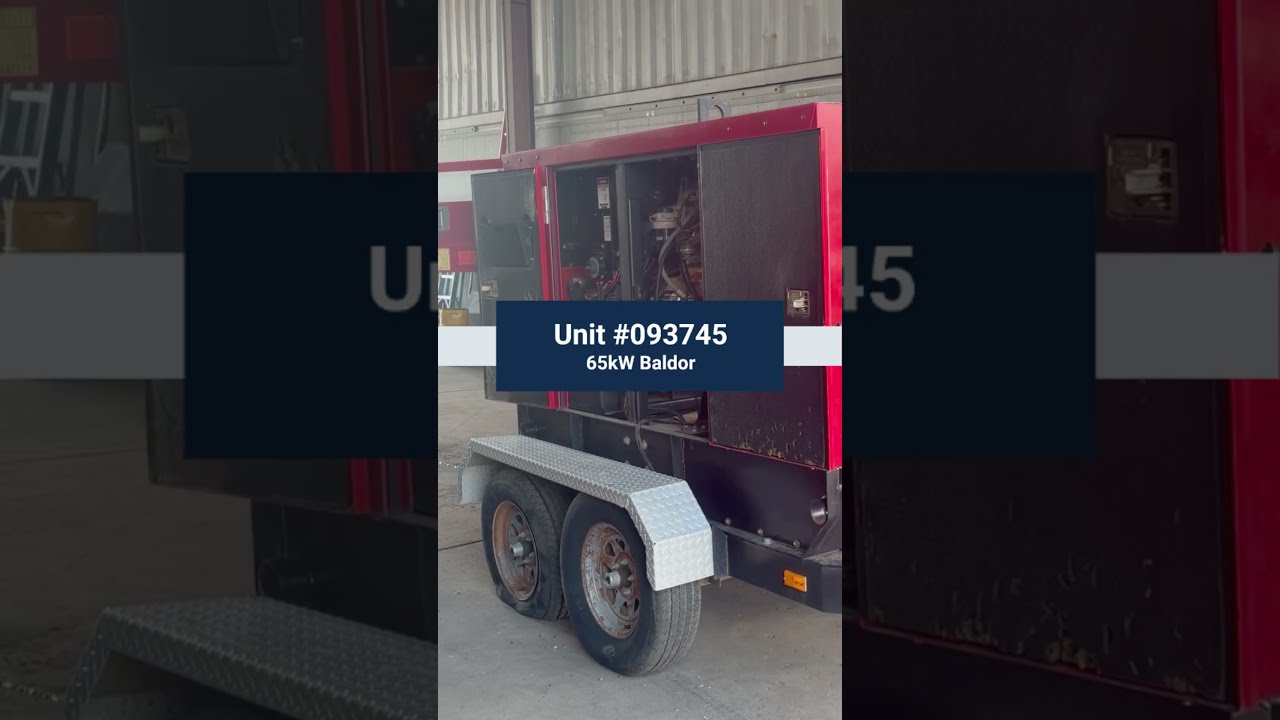
65kW Baldor Diesel Generator | Load Bank Test | Unit 93745


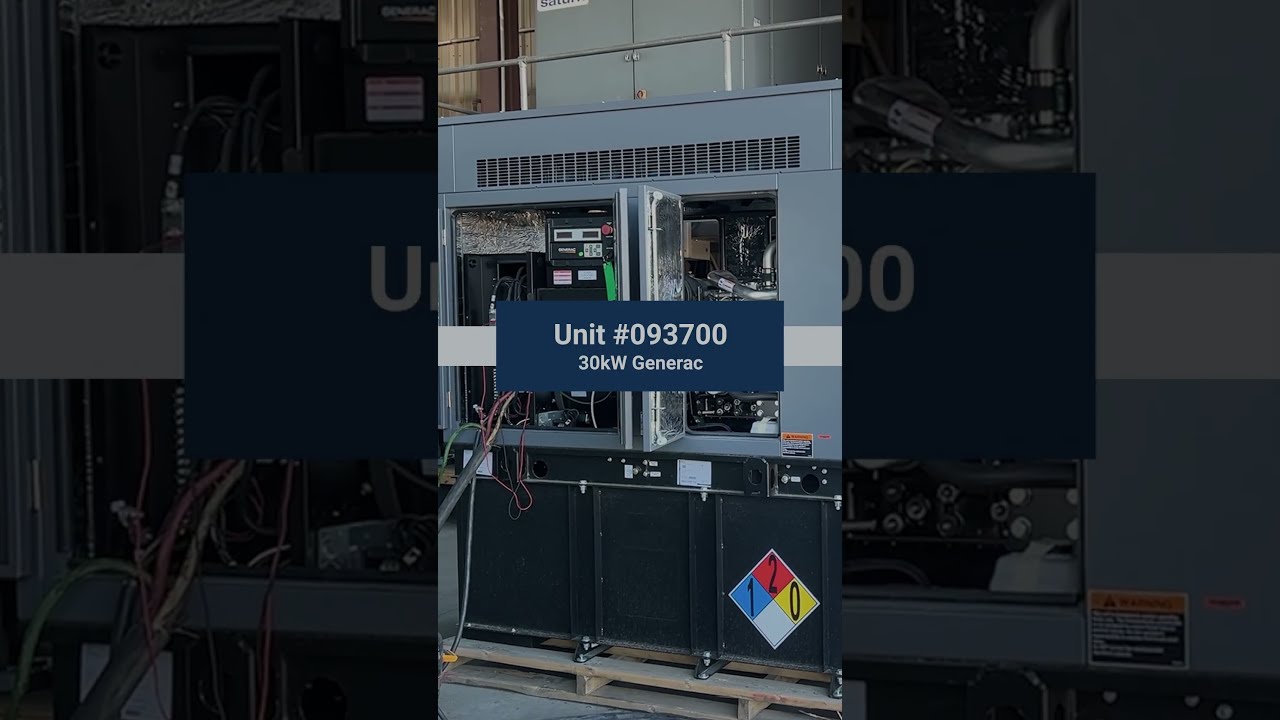


Tiny Load Bank Test #generatorsales #loadbank #tiny


750kW Cummins Diesel Generator LOAD BANK TEST | 3-Phase, 277/480V Unit 093036


200kW Kohler Rehlko Diesel Generator LOAD BANK TEST | 3-Phase, 480V Unit 90279


Load Bank Testing a 1500kW Cummins Diesel Generator | 31‑Point Inspection | Generator Source



Industrial Generator Load Bank Highlights #florida #dieselgenerator #test

Load Bank Testing a 1500kW Katolight Diesel Generator | 31-Point Inspection | Generator Source


450kW Kohler/Rehlko Diesel Generator LOAD BANK TEST | 3-Phase, 120/208V Unit 092862

Load Bank Testing a 2250kW Cummins Diesel Generator | 31-Point Inspection | Generator Source


Load Bank Testing a 400kW Caterpillar Diesel Generator | 31‑Point Inspection | Generator Source


Load Bank Test Finds a Breaker Failure Before an Outage


Load Bank Testing a 1500kW Cummins Diesel Generator | 31‑Point Inspection | Generator Source

Cummins 1250 kW Diesel Standby Generator Load Bank Test (91849) #Cummins #Diesel #standbygenerator


Generac 200 kW Diesel Load Bank Test Highlights #Generac #Generator #loadbanktest


Load Bank Testing a 750kW Caterpillar Diesel Generator | 31-Point Inspection | Generator Source


Load Bank Testing a 1000kW MTU Diesel Generator | 31‑Point Inspection | Generator Source

Load Bank Testing a 2250kW Cummins Diesel Generator | 31‑Point Inspection | Generator Source


Generator Load Bank Test: Full 2 Hour Run, Every Reading

Load Bank Testing a 500 kW MTU Diesel Generator | 31‑Point Inspection | Generator Source


Load Bank Testing a 369kW Hipower diesel Generator | 31-Point Inspection | Generator Source


Load Bank Test On An 800 kW Diesel Generator

Load Bank Testing a 1500kW Cummins Diesel Generator | 31‑Point Inspection | Generator Source


Load Bank Testing a 1000kW Cummins Diesel Generator | 31-Point Inspection | Generator Source

Load Bank Testing a 2250kW Cummins Diesel Generator | 31-Point Inspection | Generator Source


200 kW Natural Gas Baldor Load Bank Testing


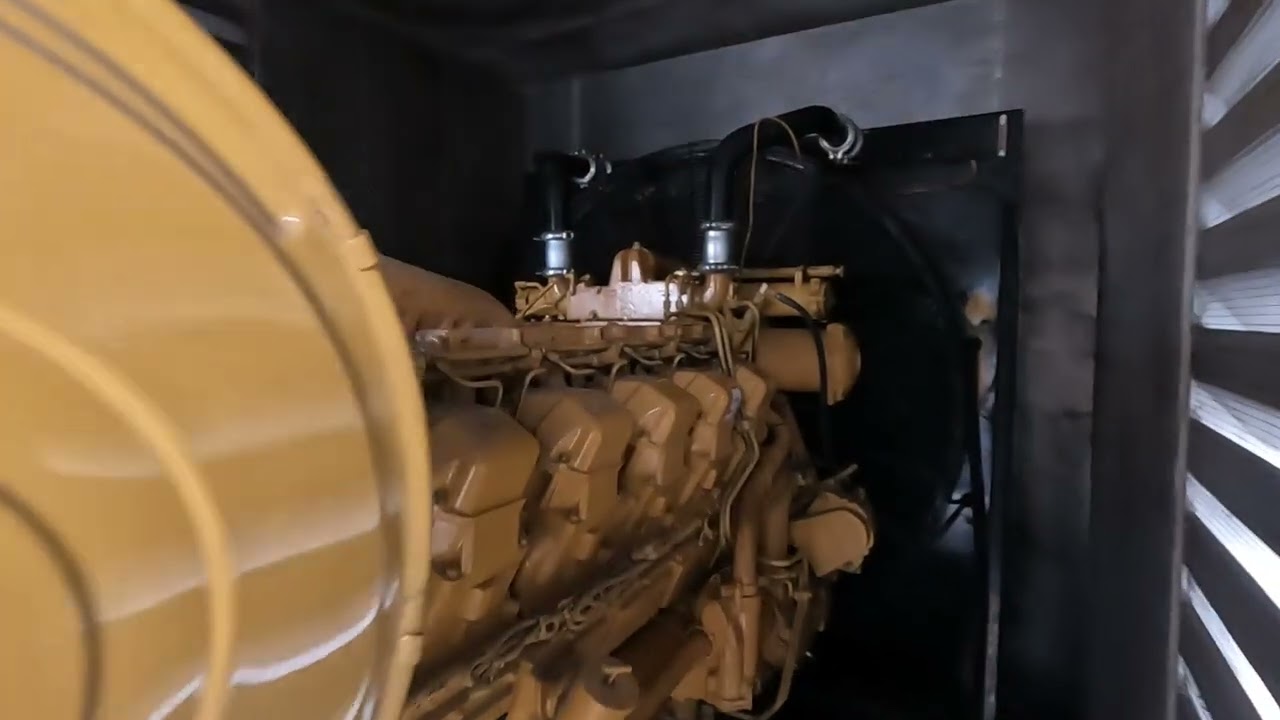


Load Bank Testing a 1750kW Generac Diesel Generator | 31-Point Inspection | Generator Source

Load Bank Testing a 60 kW Generac Diesel Generator | 31‑Point Inspection | Generator Source

Load Bank Testing a 350kW Caterpillar Diesel Generator | 31-Point Inspection | Generator Source


Inside a 4MW Generator Load Bank Test | Megawatt Power in Action


Load Bank Testing a 1600kW Kohler Diesel Generator | 31‑Point Inspection | Generator Source

2250kW Kohler Rehlko Diesel Generator LOAD BANK TEST | 3-Phase, 480V Unit 91801

Load Bank Testing a 1250kW Cummins Diesel Generator | 31-Point Inspection | Generator Source


Katolight 300 kW Load Bank Test Highlights

Load Bank Testing a 500kW Kohler Diesel Generator | 31‑Point Inspection | Generator Source

Load Bank Testing a 10kW Generac Diesel Generator | 31-Point Inspection | Generator Source

2250kW Kohler Rehlko Diesel Generator LOAD BANK TEST | 3-Phase Mobile Power Unit 91800


Load Bank Testing a 230kW Generac Diesel Generator | 31-Point Inspection | Generator Source


Unit 90763 Load Bank Test


Load Bank Testing a 600kW Caterpillar Diesel Generator | 31‑Point Inspection | Generator Source
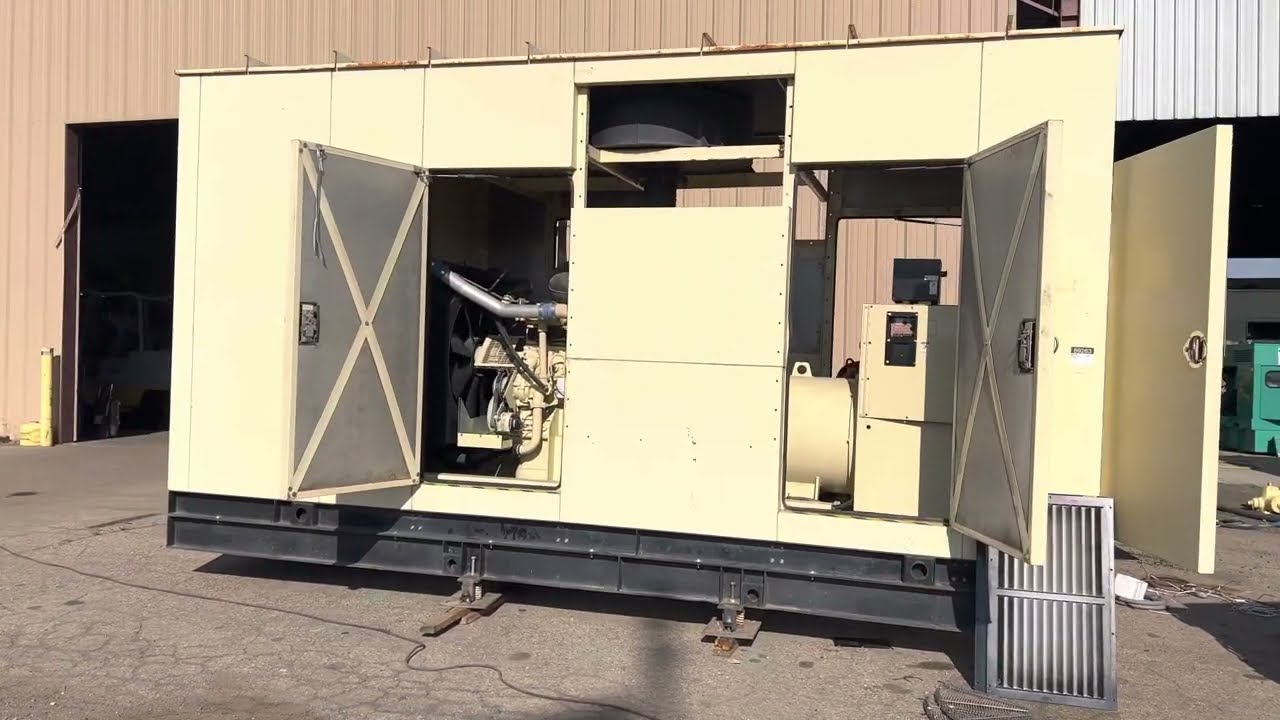


Load Bank Testing a 35kW Generac LP Generator | 31-Point Inspection | Generator Source


Load Bank Testing a 1500kW Cummins Diesel Generator | 31‑Point Inspection | Generator Source

Brand New 600kW Caterpillar Diesel Generator Load Bank Tested and For Sale
Brand New 600kW Caterpillar Diesel Generator Load Bank Tested and For Sale


Load Bank Testing a 350kW Cummins Diesel Generator | 31-Point Inspection | Generator Source


Load Bank Testing a 200kW Olympian Diesel Generator | 31‑Point Inspection | Generator Source


Load Bank Testing a 1500kW Cummins Diesel Generator | 31-Point Inspection | Generator Source

Load Bank Testing a 35kW Cummins Diesel Generator | 31-Point Inspection | Generator Source


Load Bank Testing a 600kW Generac Diesel Generator | 31-Point Inspection | Generator Source

Load Bank Testing a 1500kW Kohler Diesel Generator | 31-Point Inspection | Generator Source


Load Bank Testing a 350kW Generac Diesel Generator | 31-Point Inspection | Generator Source


Load Bank Testing a 60kW Olympian Diesel Generator | 31-Point Inspection | Generator Source


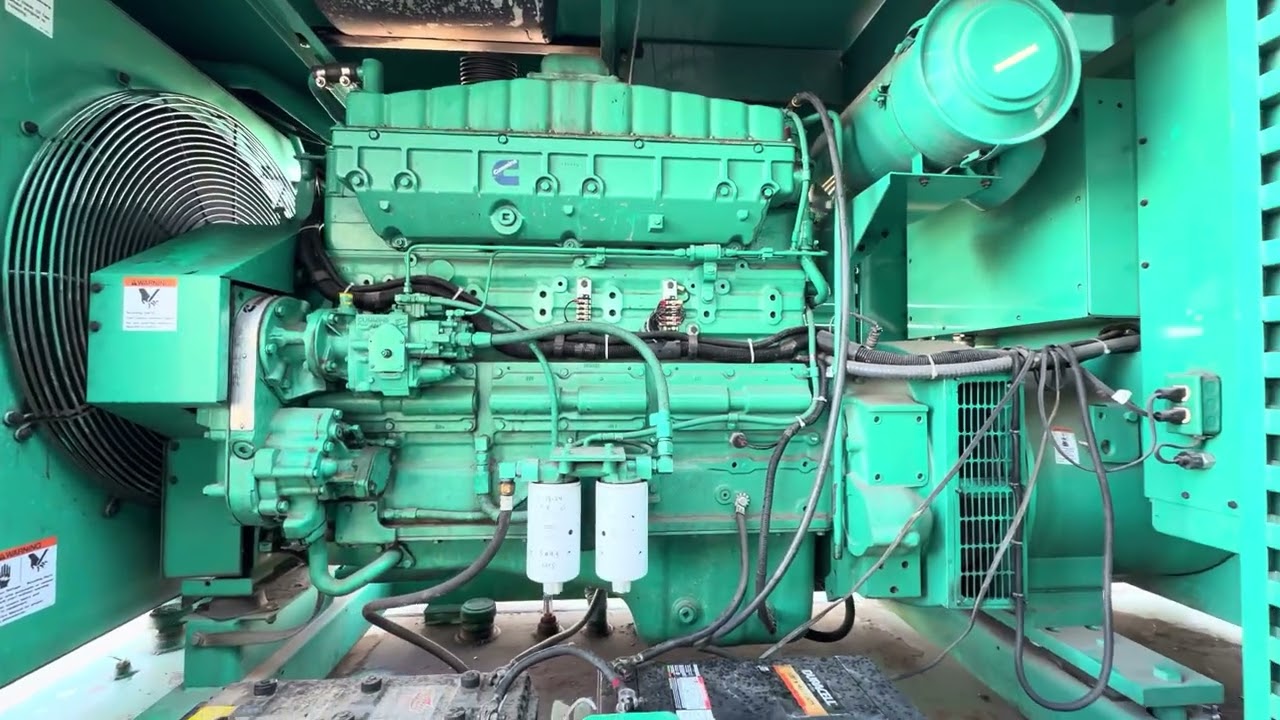


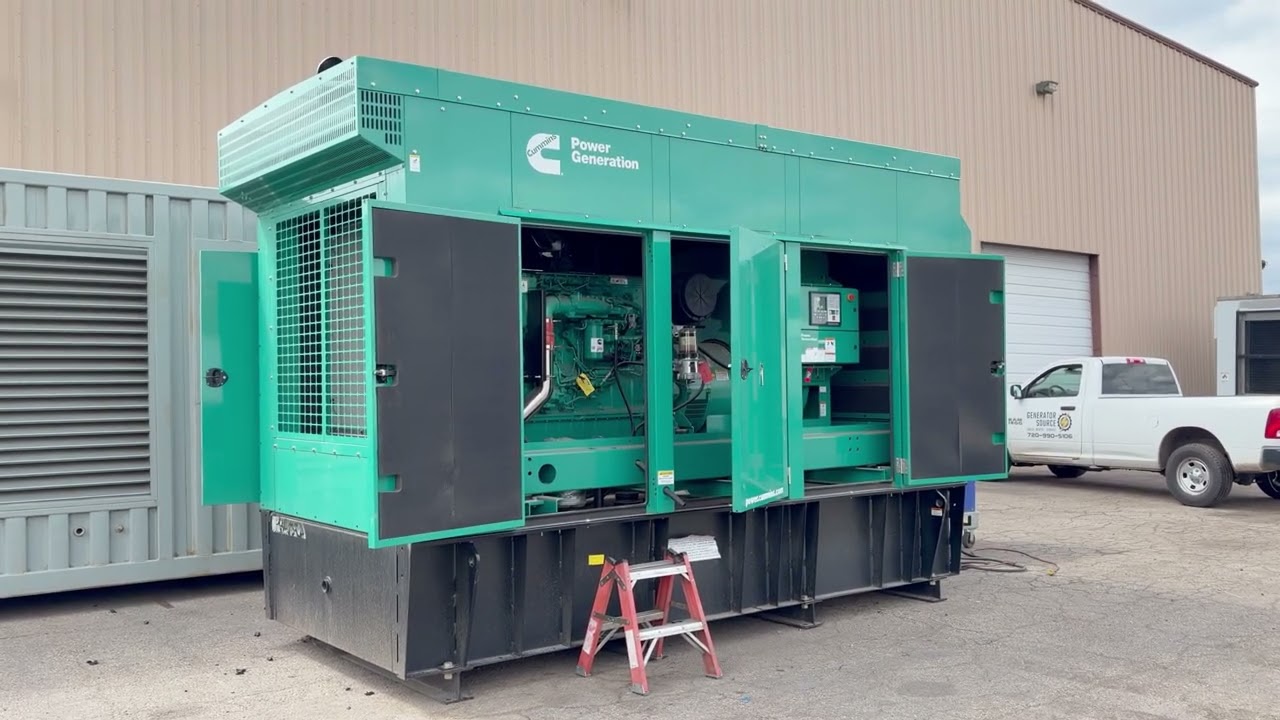
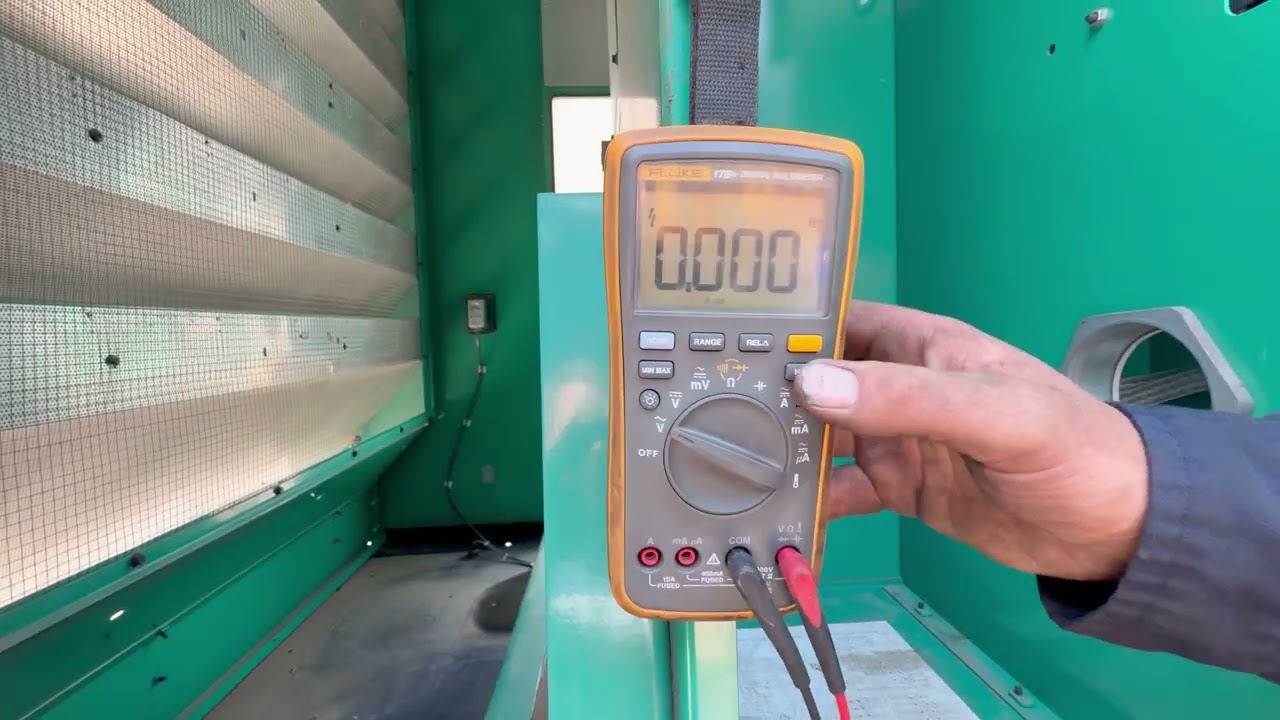

Load bank testing this Baldor 140 kW | Unit 092014


Load Bank Testing a 200kW Cummins Diesel Generator | 31-Point Inspection | Generator Source

250kW Cummins Diesel Generator LOAD BANK TEST | 3-Phase, 277/480V Unit 092761


56kW JCB Diesel Generator | Load Bank Test I Unit 093589


Unit #092441 Load Bank Test

092639 Load Bank Test


92178 Load Bank Test


PART 3: FILMING LOAD BANK TEST

No videos match those filters.
Still have questions?
Generator Source specializes in low-hour, used, new, and surplus generator sets. We have a wide variety of generator sizes and models to fit any project. We are not a broker, we own what we sell.
Call us today (877-866-6895) or click Contact Us to be connected with one of our experienced sales reps.
We have 350+ generators in stock and ready to ship!