
For many smalls to mid-sized businesses, the jump from portable backup solutions to permanent standby power is a critical milestone in operational resilience. In the world of commercial and industrial power, the 100kW to 150kW range represents a versatile “sweet spot”, providing enough capacity to keep entire facilities running without the massive footprint or expense of multi-megawatt systems.
Whether you are protecting a medical clinic, a mid-sized office building, or a local retail center, understanding the capabilities of these units is essential for making an informed investment.
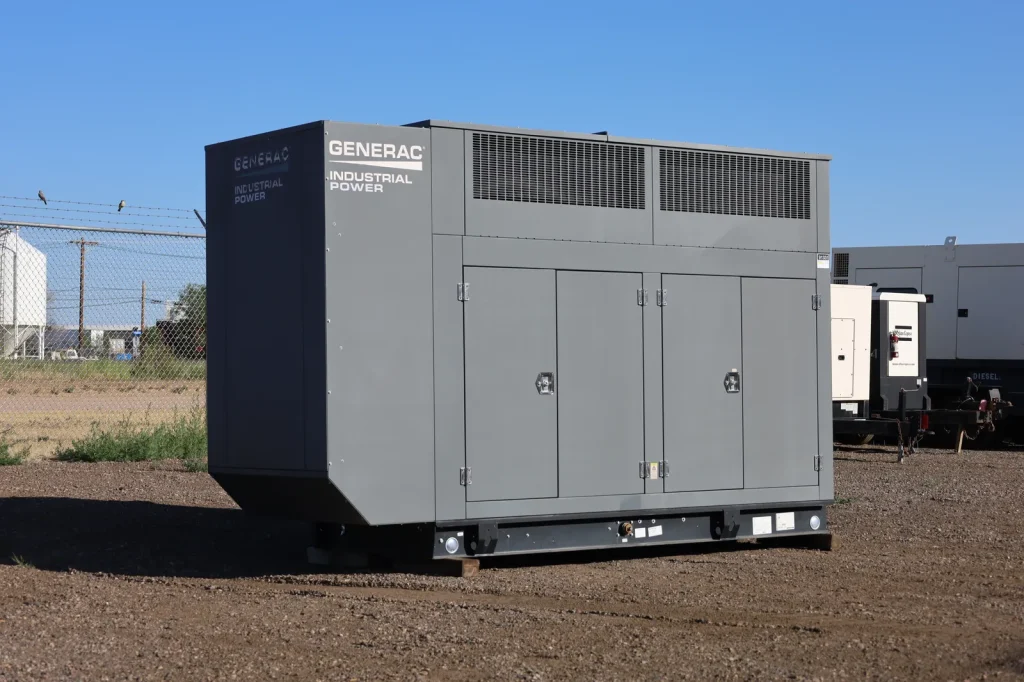
Key Applications for 100kW and 150kW Generators
This power range is specifically designed to support infrastructure that goes beyond simple lighting. While a smaller unit might keep the lights on, a 100kW to 150kW generator can handle inductive loads; the sudden “surge” required to start large motors and compressors.
- Retail and Supermarkets: A 100kW unit is often sufficient to power the refrigeration of racks, checkout lanes, and security systems of a neighborhood grocery store, preventing thousands of dollars from spoiling inventory during a prolonged outage.
- Medical and Dental Clinics: For urgent care centers or surgical suites, power is a life-safety requirement. A 150kW generator provides the necessary overhead to support critical diagnostic equipment, sterilization units, and specialized HVAC systems that maintain sterile environments.
- Professional Offices: A mid-sized office building (up to 20,000 square feet) can typically remain fully operational with a 150-kW unit, powering all server rooms, networking hubs, lighting, and elevator recall systems.
- Small Manufacturing: Facilities with light machinery, such as machine shops or specialized assembly lines, rely on this range to prevent production of “bottlenecks” during utility grid instability.
How to Choose?
The difference between 100kW and 150kW may seem incremental, but from an engineering perspective, it can be the difference between a stable system and one that trips under load.
Sizing the Buffer
A general rule of thumb for industrial power is to size your generator for approximately 20% to 25% more than your peak load.
- If your peak demand is 80kW, a 100kW unit is the ideal fit, allowing the engine to operate comfortably at 80% capacity.
- If your peak demand reaches 120kW, you should move to a 150kW unit.
Running a generator too close to its maximum capacity for extended periods can lead to overheating and engine fatigue. Conversely, “under-loading” a diesel unit (running it at less than 30% capacity) can lead to wet stacking, where unburned fuel accumulates in the exhaust system. Choosing the right size ensures your asset stays healthy for years of standby service.
Fuel Considerations: Diesel vs. Natural Gas
In this power range, you will typically choose between two primary fuel types:
- Diesel: Known for its high energy density and superior transient response. Diesel engines are excellent at handling sudden, massive load steps (like a large chiller turning on). They are self-contained and don’t rely on external utility lines, which can be a lifesaver if a disaster disrupts gas pipelines.
- Natural Gas: A cleaner-burning alternative that offers nearly unlimited runtime by connecting directly to the municipal gas line. This eliminates the need for fuel polishing, tank testing, and refueling deliveries.
Essential Components for Success
Investing in a generator is only part of the equation. For a truly resilient power-to-facility setup, consider the following:
- Automatic Transfer Switch (ATS): This is the brain of your system. It detects a utility failure and commands the generator to start, typically completing the transition in 10 to 30 seconds.
- Sound-Attenuated Enclosures: For urban offices or clinics, a quiet enclosure is a necessity. Modern enclosures can reduce the roar of an industrial engine to the level of normal conversation.
- Remote Monitoring: Modern 100 kW units often feature cloud-based monitoring, allowing facility managers to check fuel levels, battery health, and exercise logs from a smartphone.
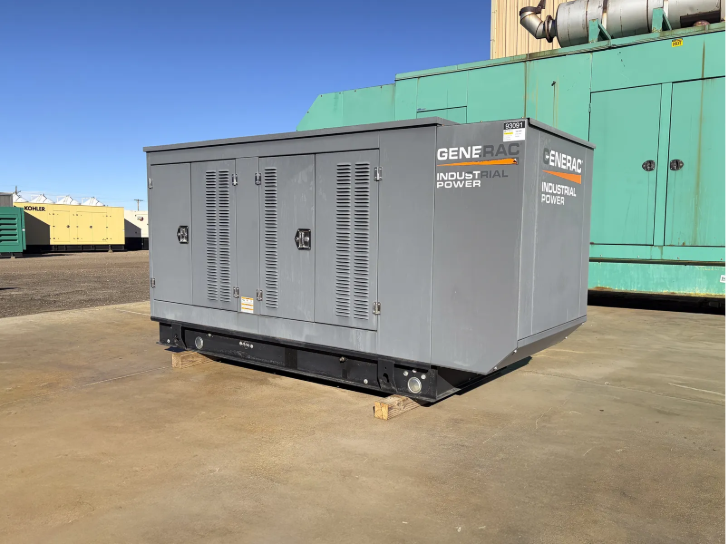
Small Unit, Big Solutions
A 100kW or 150kW generator is a significant asset that transforms a building from a vulnerable space into a resilient facility. By matching the kW rating to your peak load and choosing the right fuel source for your environment, you protect your tenants, your equipment, and your continuity. When the grid goes dark, a well sized standby system ensures that your business remains a beacon of stability.
Browse 100kW – 150kW Inventory | Request a Professional Power Consultation