50-State Rankings, Downtime, and Demand
How reliable is the power in your home state? The grid is struggling to keep up with unprecedented demand. Population growth, the rapid expansion of electric vehicles, and the massive energy draw from new data centers are pushing aging infrastructure to the breaking point. When severe weather events and natural disasters are added to the equation, depending entirely on standard utility power becomes a significant risk for any operation.
Federal tracking systems and the Department of Energy monitor grid performance closely, measuring the number of minutes the average customer loses power each year. Organizations like U.S. News & World Report utilize this data to rank the infrastructure and energy reliability of each state. Ranking well is ideal, but the truth is that every state faces mounting challenges. Facilities that require uninterrupted power need to look closely at these trends to protect their livelihood.
Where does your state rank heading into 2026?
The 50-State Power Grid Reliability Rankings
The following rankings highlight how each state performs regarding overall stability, infrastructure quality, and energy reliability.
| State | Overall Rank | Infrastructure Rank | Energy Rank |
| Alabama | 44 | 36 | 16 |
| Alaska | 49 | 45 | 50 |
| Arizona | 37 | 17 | 13 |
| Arkansas | 45 | 40 | 37 |
| California | 33 | 34 | 46 |
| Colorado | 15 | 21 | 20 |
| Connecticut | 16 | 24 | 43 |
| Delaware | 18 | 29 | 25 |
| Florida | 10 | 14 | 22 |
| Georgia | 21 | 15 | 26 |
| Hawaii | 31 | 37 | 48 |
| Idaho | 3 | 10 | 8 |
| Illinois | 36 | 19 | 17 |
| Indiana | 29 | 26 | 33 |
| Iowa | 7 | 11 | 4 |
| Kansas | 27 | 7 | 10 |
| Kentucky | 39 | 23 | 29 |
| Louisiana | 50 | 49 | 47 |
| Maine | 28 | 41 | 28 |
| Maryland | 22 | 39 | 27 |
| Massachusetts | 11 | 42 | 45 |
| Michigan | 41 | 43 | 40 |
| Minnesota | 5 | 1 | 11 |
| Mississippi | 48 | 47 | 44 |
| Missouri | 30 | 33 | 24 |
| Montana | 25 | 18 | 7 |
| Nebraska | 4 | 5 | 6 |
| Nevada | 38 | 8 | 9 |
| New Hampshire | 6 | 30 | 41 |
| New Jersey | 19 | 35 | 36 |
| New Mexico | 47 | 44 | 18 |
| New York | 20 | 28 | 32 |
| North Carolina | 17 | 25 | 23 |
| North Dakota | 14 | 2 | 5 |
| Ohio | 34 | 32 | 35 |
| Oklahoma | 43 | 22 | 14 |
| Oregon | 23 | 3 | 2 |
| Pennsylvania | 40 | 46 | 34 |
| Rhode Island | 32 | 48 | 39 |
| South Carolina | 42 | 31 | 21 |
| South Dakota | 12 | 9 | 1 |
| Tennessee | 24 | 16 | 31 |
| Texas | 35 | 13 | 30 |
| Utah | 1 | 4 | 15 |
| Vermont | 9 | 20 | 42 |
| Virginia | 13 | 38 | 38 |
| Washington | 2 | 6 | 3 |
| West Virginia | 46 | 50 | 49 |
| Wisconsin | 8 | 27 | 19 |
| Wyoming | 26 | 12 | 12 |
Power Grid Challenges Are Only Getting Worse
No matter what state you call home, infrastructure and power grid challenges are escalating. Ranks are simply indicators of current standing, but the demand on our energy systems is growing everywhere. States ranking at the top still face extreme weather, while states at the bottom are battling outdated transmission lines and increasingly severe storm seasons.
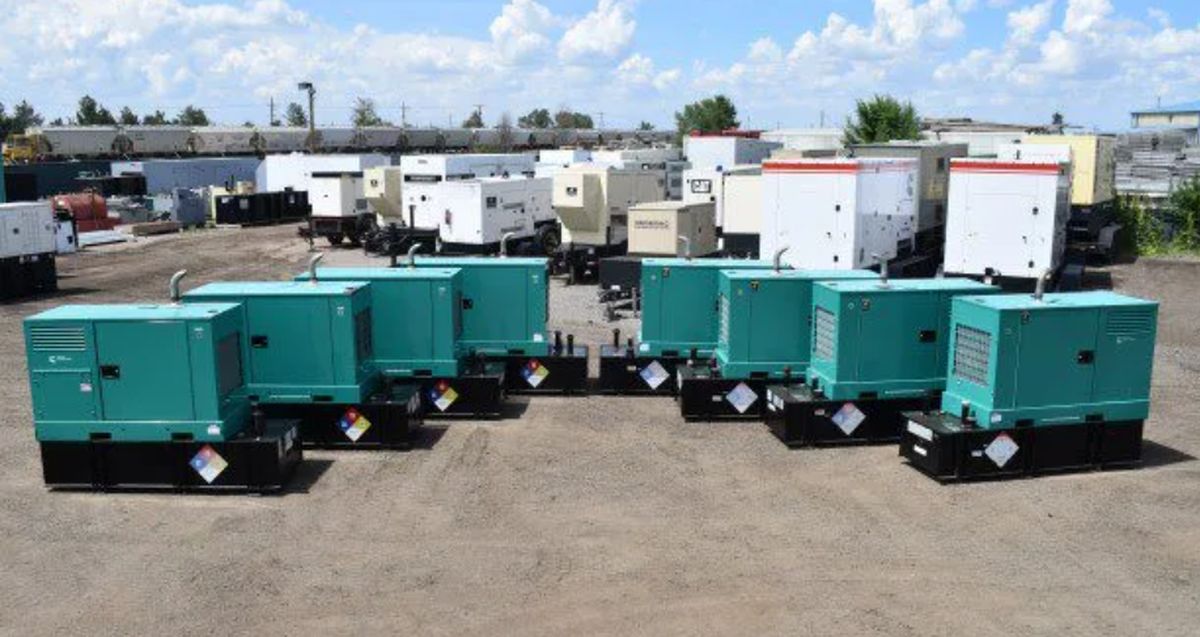
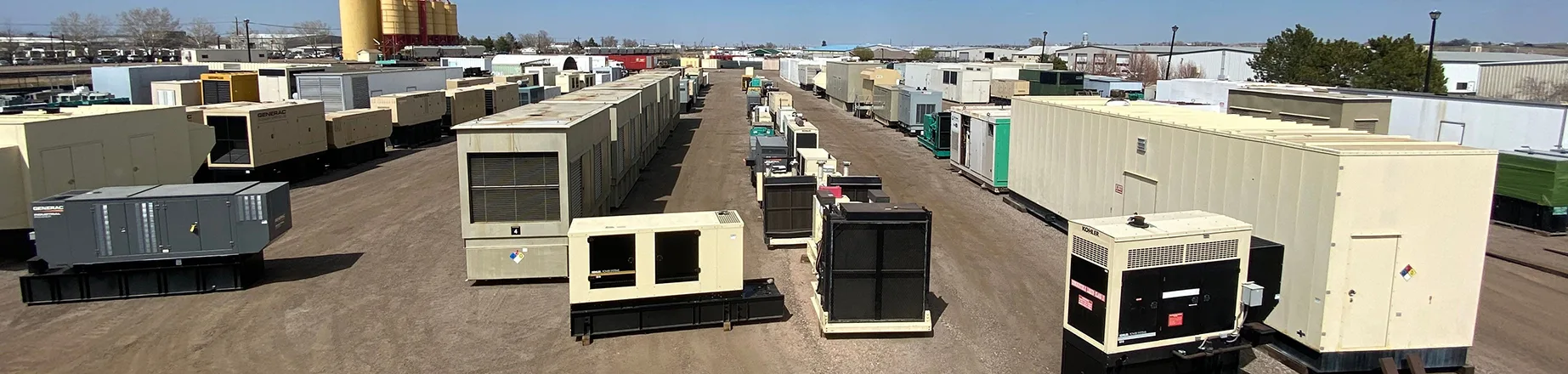
Securing your operations means taking control of your own power supply. Make your own luck and back up your business with reliable standby power. Whether your facility needs a 150kW unit to keep critical systems online or a 1,000kW generator to run a heavy manufacturing floor, protecting your revenue requires action. See our full inventory or call our team to match your needs with the right unit for your situation.
Frequently Asked Questions
How is state power grid reliability measured in 2026?
Grid reliability is measured by federal agencies like the Department of Energy using metrics such as the System Average Interruption Duration Index (SAIDI) and the System Average Interruption Frequency Index (SAIFI). These indexes track the average number of minutes and the total frequency of power outages customers experience within a year to determine regional infrastructure health.
Why are U.S. commercial power outages increasing in frequency and duration?
The U.S. grid is currently facing a perfect storm of vulnerabilities. The primary drivers are aging electrical transmission infrastructure, an increase in severe, highly destructive weather events, and a massive surge in baseline power demand from industrial manufacturing, electric vehicle charging, and regional population shifts.
How are AI data centers impacting local power grid capacity?
The rapid expansion of cloud computing and AI data centers requires unprecedented amounts of electricity for processing and cooling. This massive draw is tightening reserve margins across the country. When regional baseline demand rises this sharply, the grid has less buffer to absorb shock during extreme weather or mechanical failures.
What makes the Texas ERCOT grid uniquely vulnerable to downtime?
Unlike the interconnected national grids, the Electric Reliability Council of Texas (ERCOT) operates a largely isolated power grid. This isolation makes it difficult for Texas to import emergency power from neighboring states during extreme summer heatwaves or severe winter freezes, leading to higher risks of rolling blackouts for local businesses.
How do California’s Public Safety Power Shutoffs (PSPS) impact commercial facilities?
To prevent electrical equipment from sparking wildfires during dry and windy conditions, California utilities frequently initiate planned PSPS events. For commercial facilities, this means downtime is often a deliberate, scheduled feature of the grid rather than an unexpected accident, making continuous on-site backup power an absolute operational necessity.
How do Gulf Coast and Eastern Seaboard businesses mitigate hurricane power grid failures?
Facilities in coastal states like Louisiana, Florida, and the Carolinas face the threat of catastrophic infrastructure damage from hurricanes. Because utility power can be offline for weeks following a major storm, businesses must mitigate this risk by installing heavy-duty diesel standby generators coupled with robust, long-term fuel storage contracts.
What size standby generator is required to protect an industrial facility from grid failure?
Generator sizing depends entirely on the critical load requirements of your specific facility. A small retail space or telecom tower might only require a 50kW to 150kW unit, while mid-sized manufacturing floors typically utilize 500kW to 800kW systems. Massive operations, such as hospitals or data centers, often require multiple 1,000kW to 2,500kW generators running in parallel to ensure complete operational continuity.
What is the difference between a standby generator and a prime power generator?
Standby generators are designed to act as an emergency safety net, running only when the utility grid fails. Prime power generators are built for continuous operation, serving as the primary source of electricity for facilities located entirely off the grid or in areas where the utility infrastructure is simply too unreliable to support daily operations.
How often should commercial backup generators undergo load bank testing? To ensure a standby generator will perform flawlessly during a grid outage, facility managers should schedule annual load bank testing. This process runs the generator at its full rated capacity, verifying that the engine, cooling systems, and alternator can handle the facility’s actual power demands when an emergency strikes.
Can a used or surplus industrial generator provide the same reliability as a new unit?
Absolutely. Industrial diesel generators from top brands like Caterpillar, Cummins, and Generac are built for extreme longevity. When purchased through a reputable dealer that performs comprehensive multi-point inspections and load bank testing, a low-hour used or new surplus generator provides the exact same tier of reliability as a factory-new unit, often at a significantly lower capital cost and with immediate availability.
How quickly can emergency backup power be deployed to high-risk states?
Lead times for factory-new custom generators can stretch for months or even over a year. However, working with a dealer that maintains a massive on-site inventory of tested, ready-to-ship units allows businesses to deploy backup power immediately. Generators can be expedited to high-risk areas anywhere in the U.S. or Canada within days to secure facilities before or immediately after a grid failure.