
In the world of industrial power generation, a Caterpillar engine is often the primary investment. However, even the most robust C15 or C32 engine is vulnerable to the elements without proper protection. The Caterpillar engine housing, or enclosure, serves as a critical barrier against weather, noise, and unauthorized access. For facility managers and engineers, choosing the right housing is as important as choosing the generator itself. This guide breaks down the technical specifications of Caterpillar enclosures, compares materials like steel and aluminum, and provides a roadmap for maintenance and regional compliance.
Why Caterpillar Enclosure Design Matters
Caterpillar factory-installed enclosures are engineered for more than just aesthetics; they are integrated components designed for specific airflow and thermal requirements. A properly designed housing provides three core functions. First is environmental protection, which involves shielding sensitive electronics and mechanical components from rain, snow, and wind-blown debris. Second is acoustic management, reducing the decibel output of the engine to meet local municipal codes or healthcare standards. Third is security and safety, where lockable access doors prevent tampering, while internal silencers and guarded battery systems protect personnel from heat and high-voltage components.
Types of Caterpillar Enclosures
Caterpillar offers several tiers of housing, categorized primarily by their level of sound attenuation and environmental resistance.
Weather Protective Enclosures
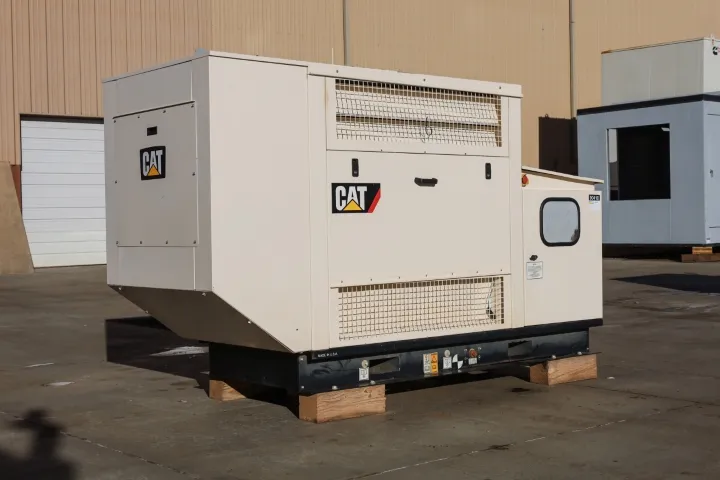
Weather Protective (WP) enclosures are the standard choice for industrial applications where noise is not a primary concern. These are typically built with 16-gauge steel and feature an industrial silencer mounted within the main enclosure body. They are best suited for rural job sites, remote telecommunications hubs, and mining operations.
Sound Attenuated Enclosures
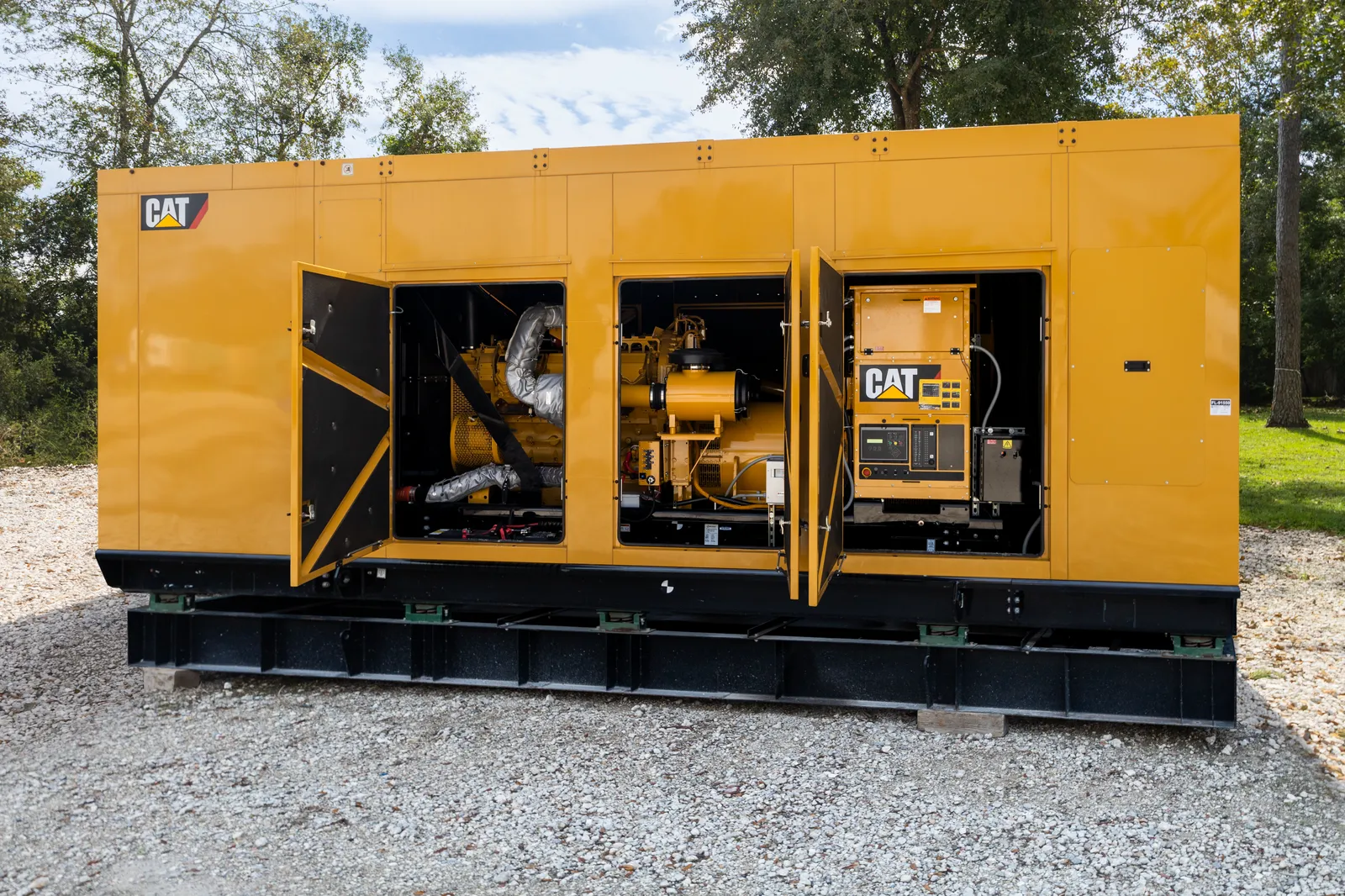
Sound Attenuated (SA) enclosures are required for commercial installations near occupied buildings. Caterpillar categorizes these into three levels. Level 1 provides basic sound reduction with moderate acoustic insulation and standard silencers, suitable for industrial zones with less restrictive noise limits. Level 2 features enhanced insulation, improved airflow baffling, and high-performance silencers for commercial centers, retail plazas, and offices. Level 3 offers maximum reduction with advanced acoustic panels and discharge baffles, which is the standard for hospitals, data centers, and residential zones.
Steel vs. Aluminum
One of the most frequent questions from buyers is whether to invest in steel or aluminum housing. The decision depends heavily on your facility’s environment. Steel enclosures are known for their durability and can withstand significant impacts and stress before deforming. They are generally more cost-effective in terms of initial raw material price and can help dampen vibration better than lighter materials. However, steel is prone to rust and corrosion, especially in high-humidity or salt-air environments, unless treated with high-performance coatings.
Aluminum enclosures are often considered the superior choice for corrosion resistance. Aluminum naturally forms a protective oxide layer that resists rust, making it the preferred material for coastal or snowy regions. It also offers significant weight savings, weighing roughly one-third as much as steel, which can reduce the structural requirements for rooftop installations. Additionally, aluminum dissipates heat faster than steel, assisting in engine cooling. The primary drawback is that it is more expensive and can be more difficult to repair if dented or creased.
Regional and Environmental
At Generator Source, we ship Caterpillar units across North America, and your location dictates specific enclosure requirements. In the Gulf Coast regions of Texas and Florida, enclosures must often be hurricane-rated. Housings in these zones require Level 2 or Level 3 enclosures and specialized anchoring systems rated for high wind loads. We recommend aluminum enclosures or specialized anti-corrosion coatings for any unit located within 50 miles of the coast to prevent premature frame failure.
For our clients in Brighton and Denver, Colorado, the primary challenges are snow load and sub-zero temperatures. Enclosures must be structurally rated for roof snow loads to prevent collapse during heavy winters. Furthermore, the housing must have enough internal clearance for engine block heaters, battery warmers, and motorized intake louvers that stay closed until the unit starts.
Maintenance Checklist for Engine Housing
Maintaining the enclosure is just as vital as changing the engine oil, as neglected housing can lead to overheating or internal component failure. Weekly visual inspections should include checking for leaks, signs of corrosion, or damage to the external panels. You must ensure all ventilation openings are free of debris, bird nests, or snow buildup to allow for proper airflow.
Technicians should also inspect the rubber seals on access doors to ensure they remain watertight. Regularly grease hinges and test lock functionality to ensure personnel have excellent access during an emergency. Finally, check for leaks in the exhaust routing that could vent carbon monoxide into the enclosure space.
Protect Your Caterpillar Investment
A high-performance Caterpillar engine deserves a high-performance home. Whether you need a Sound Attenuated Level 3 enclosure for a city hospital or a Weather Protective steel housing for a remote job site, the right choice ensures decades of reliable service. At Generator Source, we stock a wide variety of Caterpillar generators with factory and custom enclosures. Our team in Brighton, CO can help you navigate the technical specifications of steel versus aluminum and ensure your unit meets all local noise and environmental codes.
Secure your facility’s power today. Call our technical experts at 877-866-6895 or browse our current inventory of new and used Caterpillar units to find the housing that fits your needs.