Navigating AI Energy Demand

The rapid evolution of artificial intelligence has moved beyond the realm of software innovation and is now the single most significant driver of industrial infrastructure change in the twenty-first century. As the national electrical grid continues to struggle with the dual burden of aging infrastructure and the sudden, massive power requirements of large-scale data centers, the conversation surrounding energy independence has become a central pillar of business strategy. To understand the current landscape, we must first examine the architecture of modern AI systems and the inherent paradox of their efficiency. While developers have made incredible strides in creating algorithms that process tokens with increasing precision, the hardware required to run these systems at scale is pushing the boundaries of what local utility grids can handle. AI is no longer a niche tool for researchers; it is being integrated into the core of the global economy, from predictive manufacturing and healthcare diagnostics to autonomous logistics and financial modeling. Each of these applications requires a level of uptime that was previously reserved for hospitals and nuclear facilities, as even a millisecond of power instability can result in massive data loss or the collapse of critical real-time systems.
The scalability of these systems is currently limited not by the ingenuity of software engineers, but by the physical availability of heavy iron power assets. In the medical sector, high-speed imaging and AI-driven drug discovery have turned healthcare facilities into data-intensive environments that require constant, stable power to protect life-saving research and patient diagnostics. In the manufacturing world, AI-driven supply chains coordinate thousands of automated movements every minute, creating a mission-critical need for firming power that the centralized grid was never designed to provide. This massive expansion has led to global impacts, where data center developers are effectively competing for the same limited pool of generators that support municipal water treatment and emergency services. Consequently, the ability to deploy power assets immediately has become the ultimate competitive advantage, a concept we define as speed as a service.
Silicon and Power Density

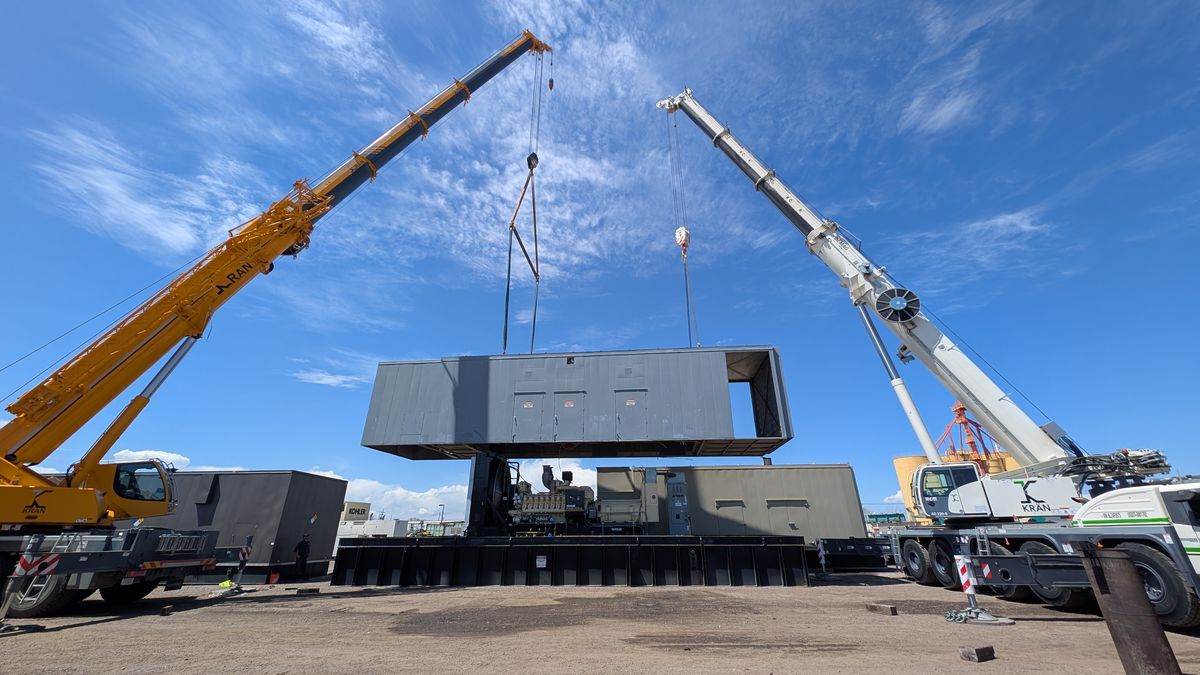
The technical heart of this crisis lies in the physics of AI power and the specific hardware that drives these systems. Modern AI chips, while marvels of micro-engineering, have created a significant power usage challenge. While an individual chip may be more efficient than its predecessors in terms of operations per watt, the density of these chips in a modern data center is unprecedented. A single high-end AI server rack can now require anywhere from 50kW to 100kW of power, a density that is nearly ten times higher than the enterprise hardware of just five years ago. This has fundamentally changed the design of the power distribution systems required to support them. We are no longer talking about standard building loads; we are talking about concentrated industrial power hubs that require massive 2,000kW to 4,000kW generators just to maintain basic resiliency.
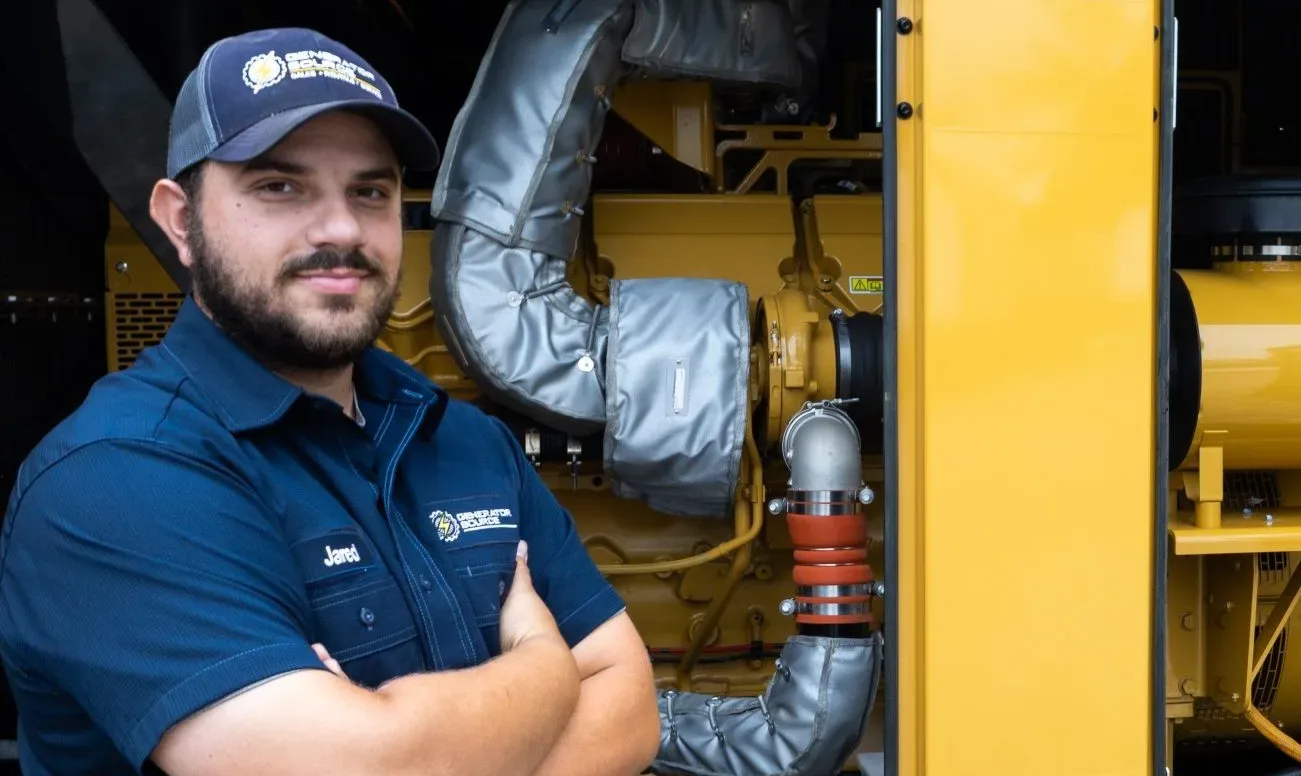
The scale of this demand is accelerating at a rate that far outpaces the utility industry’s ability to upgrade its infrastructure. Over the next two-year timeline, the expected power demand from AI data centers is projected to double, creating a power gap that will be felt in every sector of the economy. This gap is the window between the immediate need for processing power and the five-to-seven-year timeline required for utilities to build new substations and transmission lines. To bridge this gap, facilities are turning to independent power systems to firm their operations and ensure energy independence. The 2,000kW to 4,000kW diesel generator remains the gold standard for this application because of its black start capability, which allows a facility to re-energize itself even if the regional grid has completely collapsed.
Community Impact and Structural Vulnerabilities

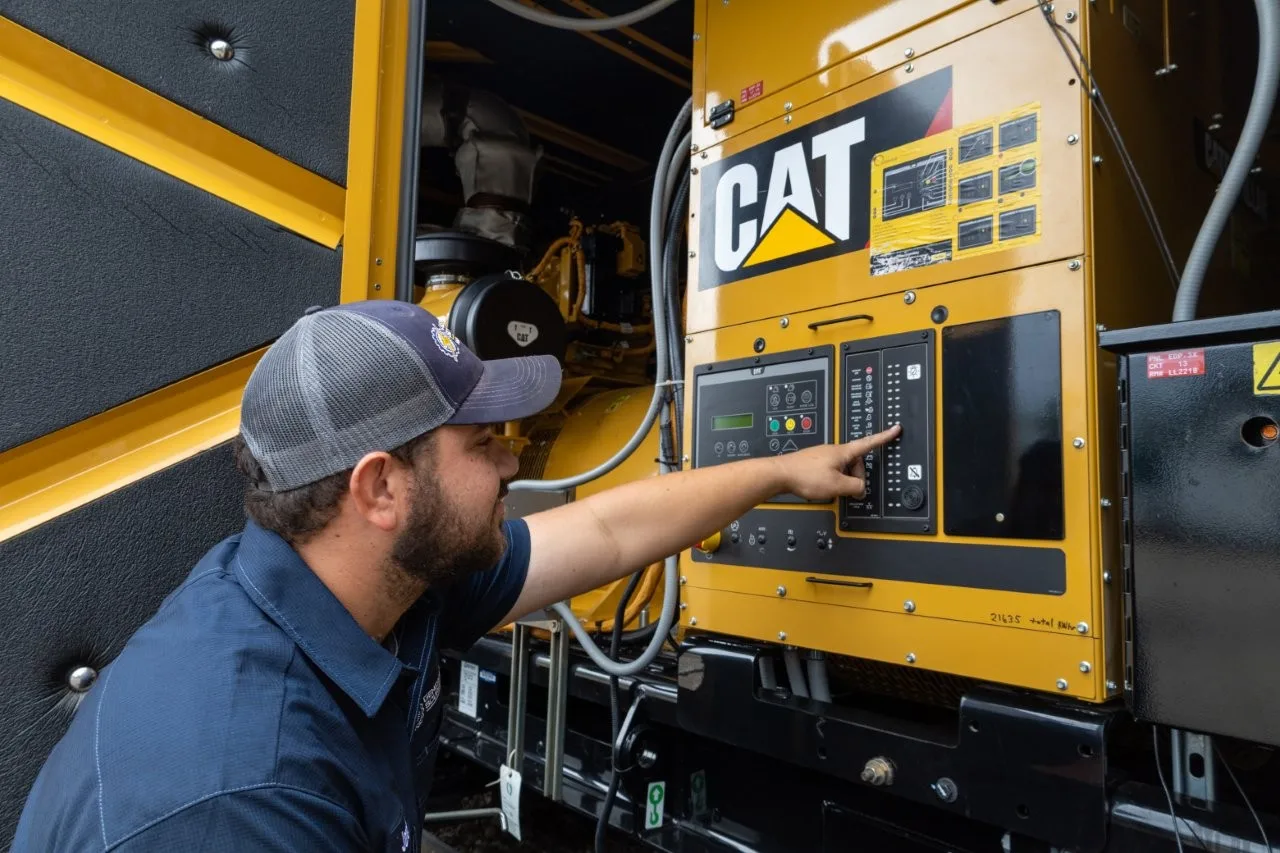
However, the rise of AI power hubs is creating significant community impacts and highlighting deep-seated vulnerabilities. When a massive data center tethers itself to a local utility, it often places a strain on the same infrastructure that serves residential neighborhoods and local schools. This creates a tug-of-war for energy that can lead to increased volatility and a higher risk of regional brownouts during peak demand events like summer heatwaves or winter storms. The primary vulnerability in these systems is often the lack of proactive maintenance. Many facilities rely on backup systems that have not been load-bank tested or forensically inspected in years, leading to a “set it and forget it” failure trap. In the high-stakes environment of AI infrastructure, an unmaintained generator is not a form of insurance; it is a single point of failure that can jeopardize millions of dollars in hardware and data.
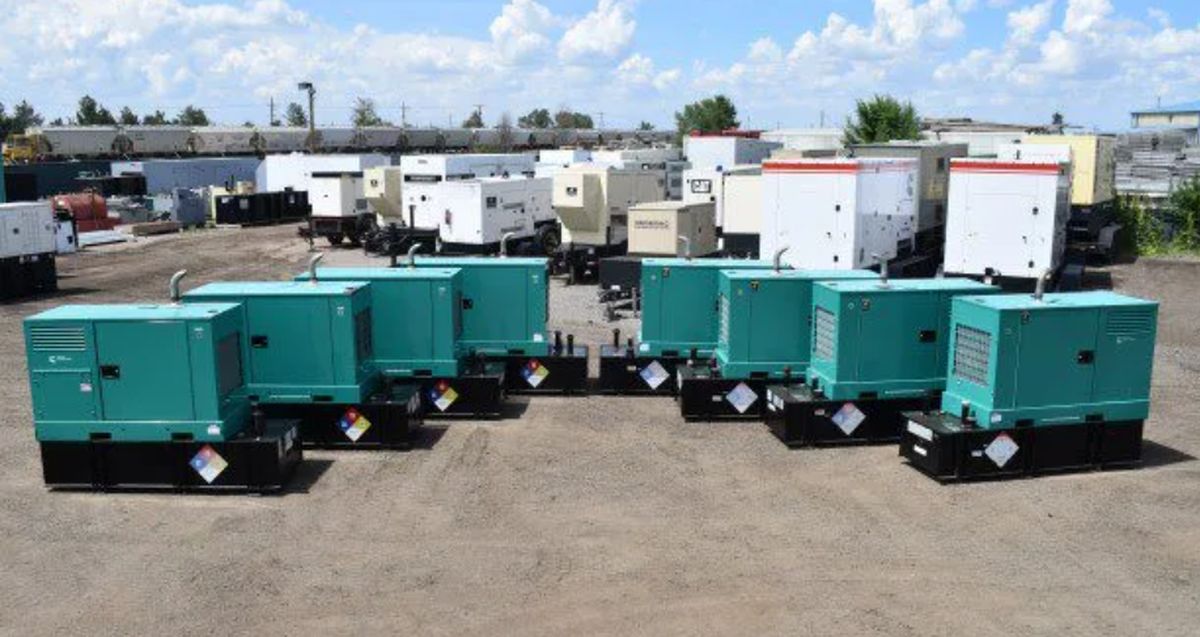
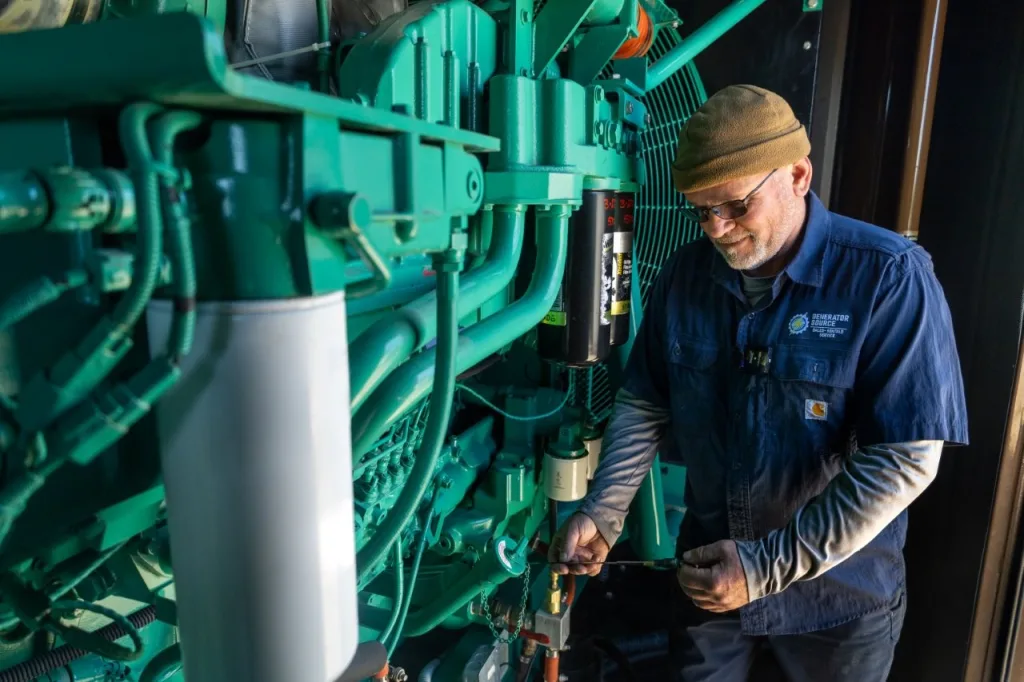
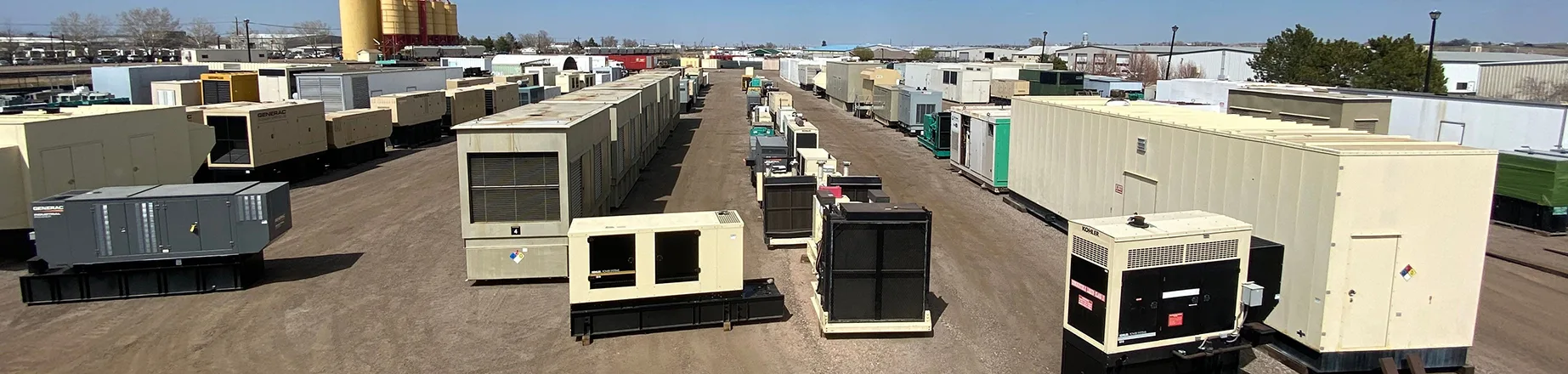
Market insights from the last year show that the industrial power sector is currently operating under a cloud of uncertainty. Current energy drivers, including the AI boom and tightening emissions laws, have created a massive bottleneck where manufacturer lead times for new equipment often exceed eighteen months. To bypass these delays, savvy facility managers are increasingly turning to the circular economy and selecting re-certified surplus units. These assets provide immediate protection and significant capital savings while supporting sustainability goals by repurposing high-quality heavy iron that still has thousands of hours of reliable service to offer. By selecting a generator that is Generator Source Certified, businesses can ensure their asset has passed a rigorous 31-point inspection and a four-hour load bank test, providing the empirical proof of performance required for mission-critical sectors.
Predicting the Future In an Era of Uncertainty
Predicting the future of the energy market requires an understanding of these multi-faceted drivers. The inevitable reality for many businesses is that power loss is no longer a matter of if, but when. Preparing for this inevitability requires a turnkey, cradle-to-grave power partnership that manages every stage of an asset’s life, from initial sizing and sourcing to long-term monitoring and telematics. This monitored for uptime approach ensures that any weakness in the system is identified and rectified months before an actual outage occurs. Whether you are managing a data hub in Phoenix or a medical center in Chicago, the math remains the same: immediate inventory is the only real defense against a volatile grid and the relentless power demands of the AI revolution.
To effectively scale AI infrastructure, businesses must look beyond the rack and consider the primary energy drivers that dictate their operational success. The transition toward microgrid resiliency is one such driver, where re-certified generators act as the firming backbone for intermittent sources like solar and battery storage. This hybrid model provides the flexibility required to navigate the current power crisis while building a sustainable foundation for future growth. By treating a generator as a high-value asset rather than a sunken cost, companies can improve their balance sheets while securing the uptime necessary to remain competitive in the digital age.
Securing the Digital Foundation
As the AI power mandate continues to reshape the industrial landscape, the importance of technical authority and ready inventory cannot be overstated. The national grid is undergoing a period of transformation that will take a decade to resolve, but the demand for AI processing is happening today. At Generator Source, we provide the technical depth and the logistics network to ensure that your facility remains a pillar of resiliency, regardless of the challenges facing the utility grid. By focusing on speed, reliability, and the lifecycle economics of industrial power, we help our clients prepare for the inevitable and succeed in an era of unprecedented energy uncertainty. Secure your energy future today by investing in the proven reliability of re-certified heavy iron and the expertise of a partner that understands the true scale of the AI power challenge.