Commercial Generator Sales, Service & Rentals
With 50+ years of expertise, Generator Source is a trusted provider of industrial and commercial generator solutions, offering sales, service, and rentals from our headquarters in Colorado and locations across Florida and Texas. Explore our full-service capabilities in generator service and sales for leading brands to keep your operations running smoothly.
Immediate Availability
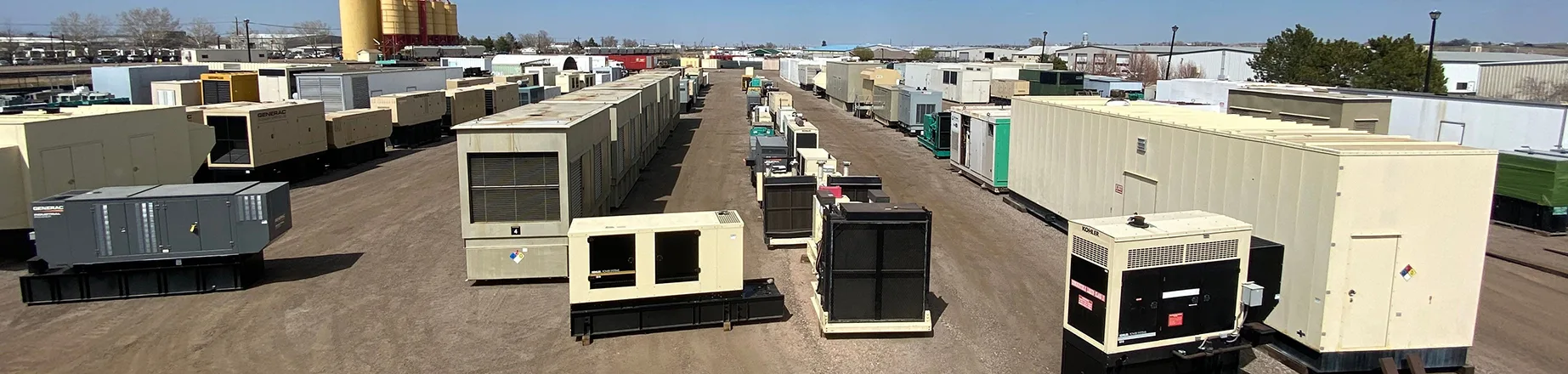
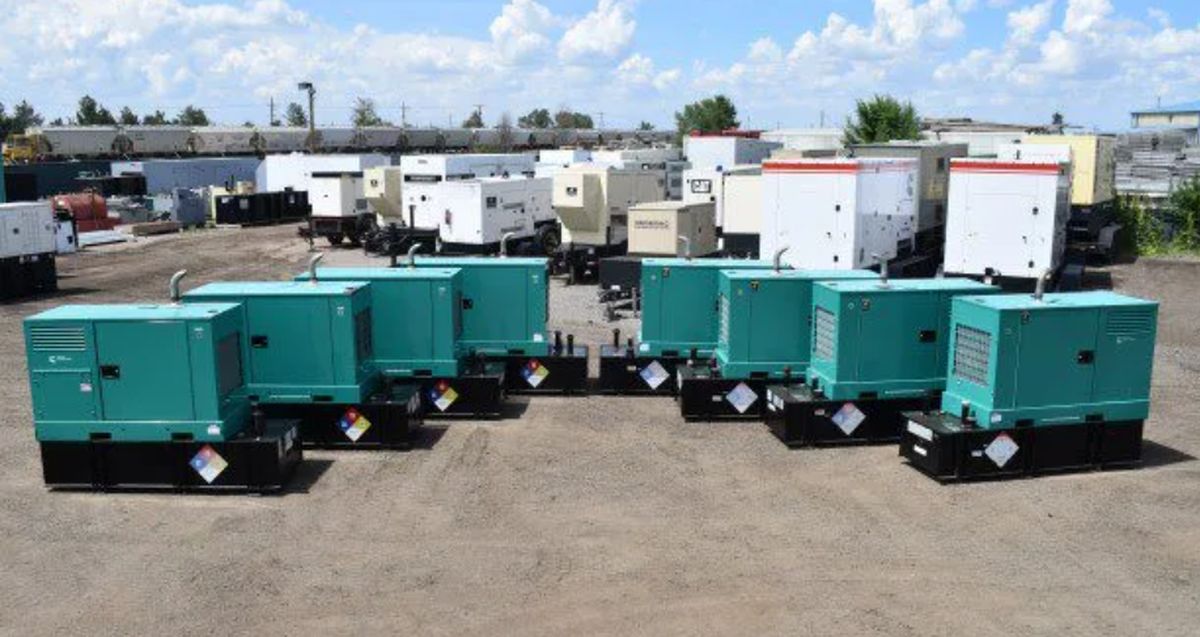
Generator Source is the largest reseller of commercial and industrial generators in the US. Browse our 350+ in stock and ready to ship industrial generators. We carry top brands like Generac, CAT, Cummins, Rehlko (formerly Kohler) and many many more.
24/7 Service & Maintenance
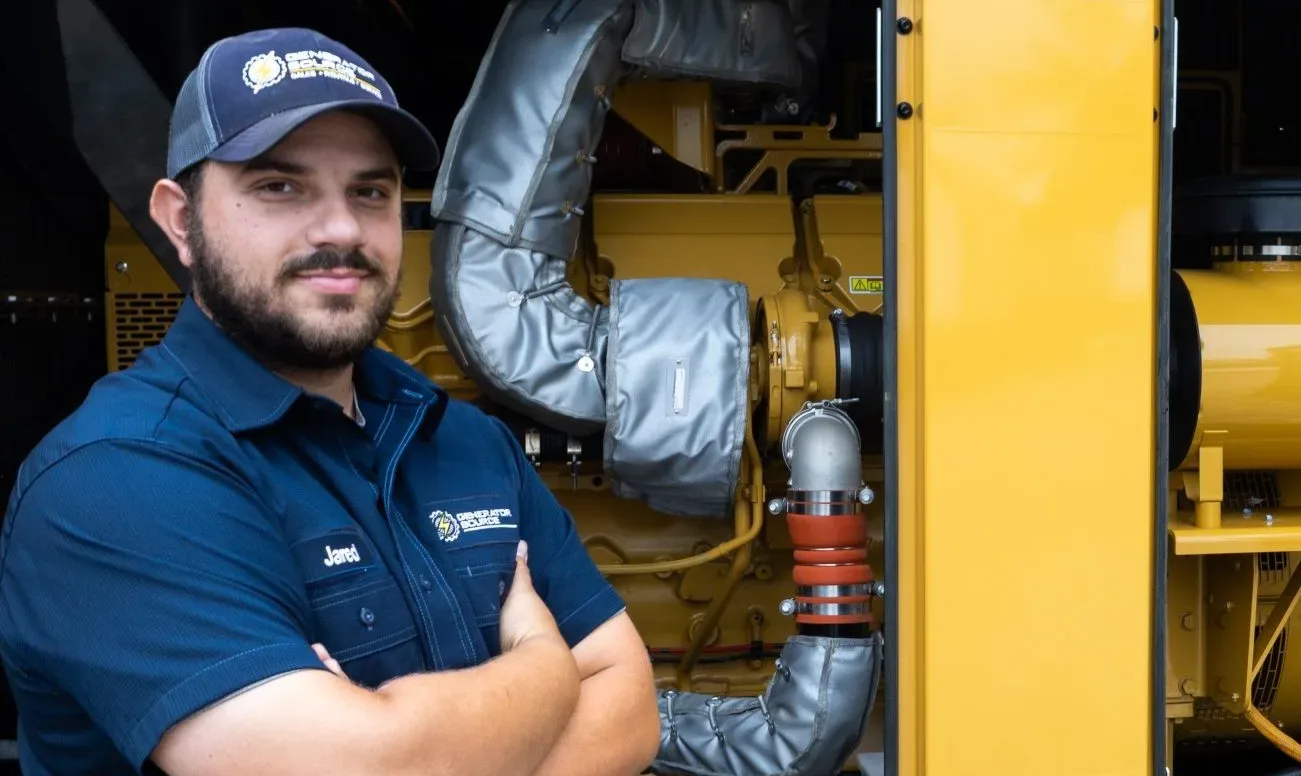
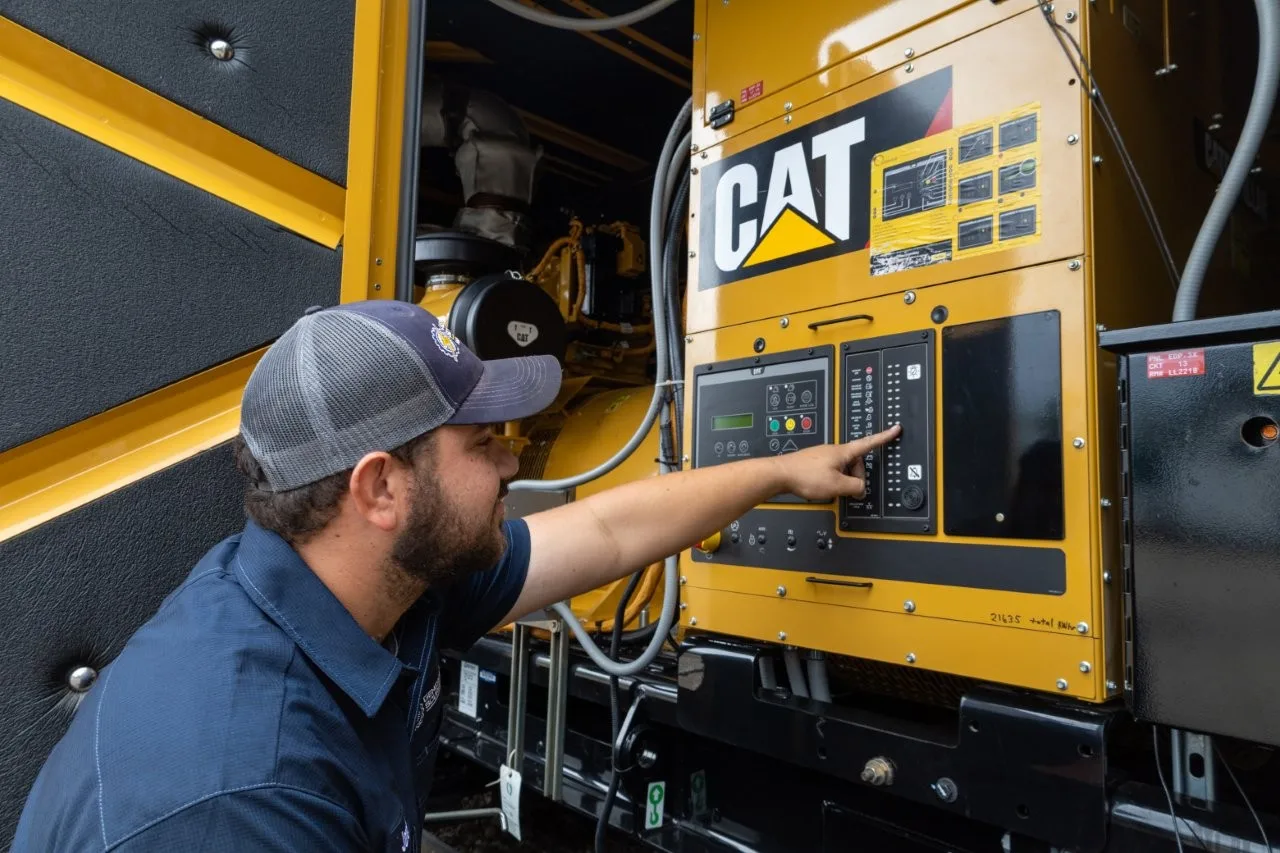
From preventive maintenance to full engine rebuilds, our certified technicians have you covered. Our rental generators ensure uninterrupted power during any service or outage.
Custom Solutions
Custom power solutions, engineered to spec. ATS installation, control panel upgrades, frequency conversions, voltage changes, custom fabrication, paralleling, load bank testing, and oil analysis — all backed by expertise across Deep Sea, Woodward, Caterpillar EMCP, and Cummins Power Command. Tell us what you need.
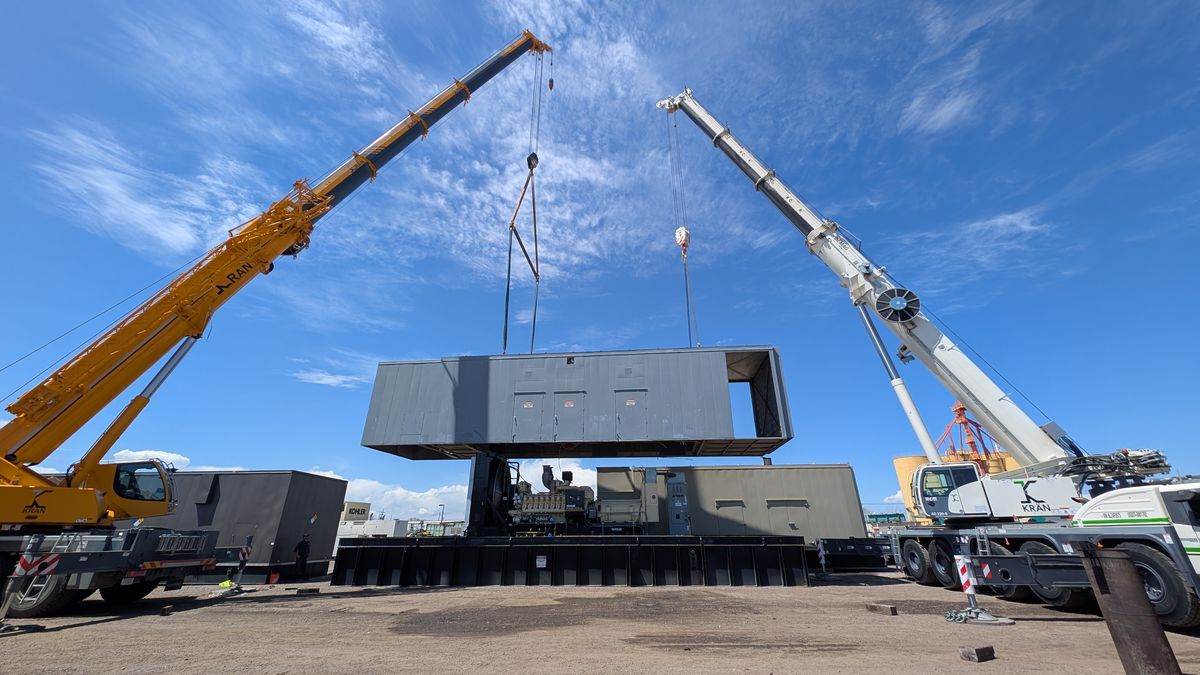
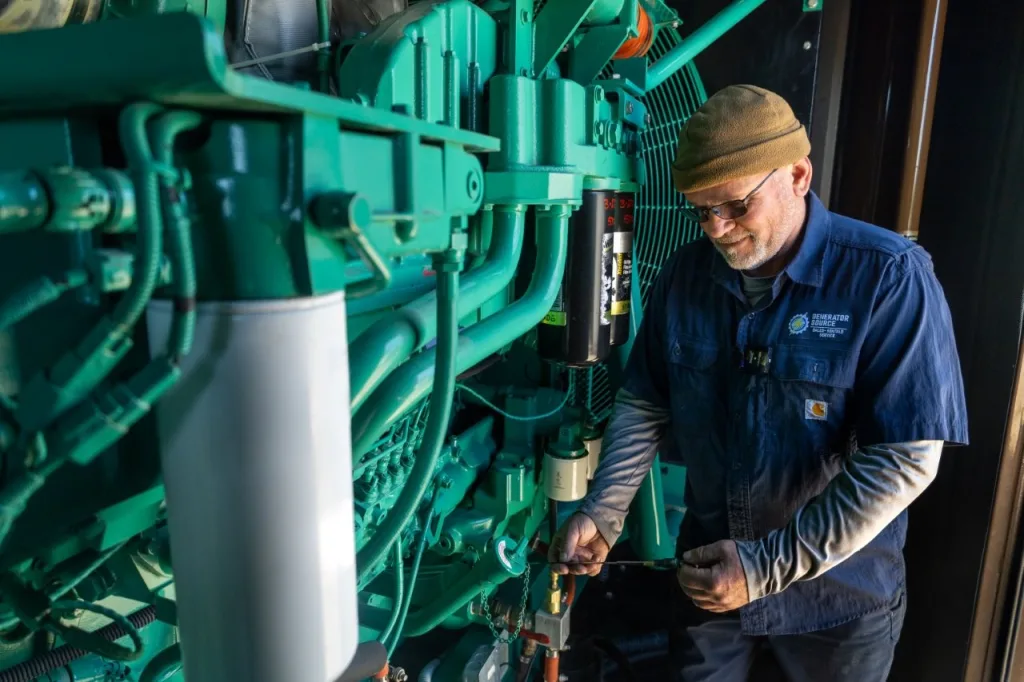
Find Your Service Area
Major Generator Brands
| Brand (click to open) | Key Industries | Key Differentiators | Primary Fuel | Available Units | Spec Sheets |
|---|---|---|---|---|---|
 | Construction, Mining, Oil & Gas, Data Centers, Utilities | Rugged Durability & Global Support: Renowned for withstanding harsh environments with an extensive global dealer network for service. | Diesel, Natural Gas, Bi-Fuel | Spec Sheets | |
 | Data Centers, Healthcare, Manufacturing, Commercial Buildings | Integrated Power Systems: All major components (engine, alternator, controls) are designed and built by Cummins for seamless integration. | Diesel, Natural Gas, Propane | Spec Sheets | |
 | Ag & Farming, Commercial, Construction, Telecom | Scalability & Diverse Fuel Options: Offers a wide range of modular power systems with a strong focus on natural gas and bi-fuel options. | Natural Gas, Diesel, Propane, Bi-Fuel | Spec Sheets | |
 | Construction, Healthcare, Data Centers, Marine, Hospitality | Customization & Advanced Controls: Known for highly customized, mission-critical solutions with advanced digital controls and paralleling switchgear. | Diesel, Natural Gas | Spec Sheets | |
 | Data Centers, Healthcare, Airports, Marine | High-Performance & Power Density: A top quality brand known for precision engineering, high power density, fuel efficiency, and low emissions. | Diesel, Natural Gas | Spec Sheets | |
 | Construction, Entertainment, Cold Storage/Retail | Quiet, Portable & Versatile: Excels in providing portable and mobile power solutions designed for easy transport in demanding, temporary applications. | Diesel, Gasoline | Spec Sheets |
What They’re Saying
Still have questions or looking for more information?
Generator Source specializes in low-hour, used, new, and surplus generator sets. We have a wide variety of generator sizes and models to fit any project. We are not a broker, we own what we sell.
Call us today (877-866-6895) or click Contact Us to be connected with one of our experienced sales reps.
We have 350+ generators in stock and ready to ship!