
What to Know Before You Rent a Generator This Season
By Morgan Trujillo, Outside Sales Manager
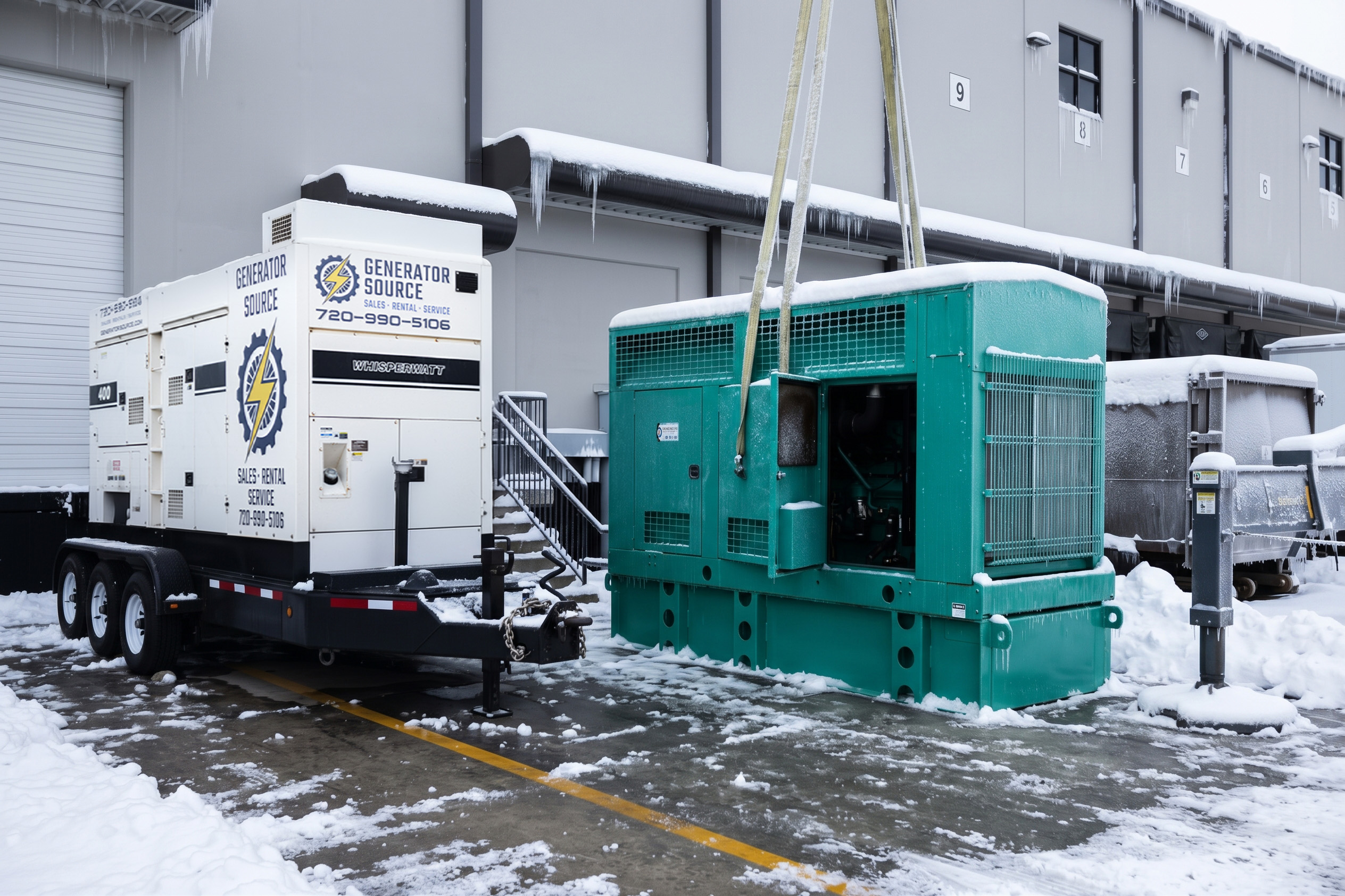
Every fall I have some version of the same call. A superintendent or facilities manager reaches out after the first real cold snap and asks what we’ve got available next week. Sometimes we can make that work. But by December the right units are out on rent, fuel runs get harder, and everyone wants power the same day.
I’m Morgan Trujillo, outside sales manager for service and temporary rental at Generator Source in Brighton. When I learned what power generation is and how it plays a critical role in everyday life and plays an integral role in the energy sector. I jumped into the field and participated in the first power generator technical apprenticeship program with the end goal of being able to develop a strong presence in the industry in sales capicity. So, when I think about winter rentals, I’m picturing what actually happens on sites and their various applications of rentals at 5 a.m. when it’s single digits and the unit won’t turn over. Here’s what I’d want you to know before Q4 gets away from you.
Winter on the Front Range is a wind problem as much as a snow problem
Colorado winters bring ice and cold, sure. But it’s the wind that worries utility companies and communities. The Marshall Fire hit on December 30, 2021, and it changed how a lot of people here think about winter risk. I was working on a generator in the evacuation zone. I remember coming out of the gen housing to a world I could not recognize. The smoke had turned off the sun. I also think it’s important to point out the designated community point for evacuated residents lost utility and the on-site generator failed. Leaving displaced families and community agencies scrambling to find a location with power for families to be reunited. We as Coloradans and as an industry have learned planned shutoffs on high-wind days are now part of the conversation, right alongside storms and aging equipment and all that the rocky mountain climate can bring.
The hard part for business and property management companies isn’t only about losing power. Does the person on location know where the generator is located? Do they know what the gen on site is designated to power in the event utility is lost? In addition to facing what many other customers are asking when the power will be restored? Meanwhile a job site without dependable and reliable temporary power. Are looking at trades and subcontractors not being able to complete their scope of work in the schedule of time. Generators on job site are working in conjunction with other specialty systems such as HVAC, pumps, cranes, scaffold, temporary structures, etc
And with so many people working from home, an outage in a residential pocket can take your team offline even when your own facility is fine.
The customers who get through it best had the conversation early and made a winter plan. If you know your sites are exposed, we can create a plan customized for your needs and a unit picked out before the forecast turns.
Sizing at a mile high, and higher
This is the part that surprises people. A generator doesn’t make the same power in Denver that it makes at sea level. Thinner air means less oxygen for combustion, so usable output drops as elevation climbs. Extreme cold adds its own headaches with starting, batteries and fluids.
That’s why I don’t treat Colorado as one market. Say you’ve got sites in Grand Junction, Vail and out on the eastern plains. You might put the same model on all three, and they’re still three different applications. Vail sits above 8,000 feet. The plains are open and windy. We pull the manufacturer’s derate data for each location instead of guessing because sizing amperage requirements matter in performance in the rocky mountain region.
When a customer isn’t sure what they need, I start with amperage. What’s the site voltage, what’s the total load of amperes, and what are you starting up? What is the start up in-rush of the motors, heaters and compressors and what will the load level off to and that’s where a lot of undersized rentals fail and make cost you more than you budgeted due to a lack of power calculations. Let’s start talking about your power needs! We can size for the generator for you to ensure optimal operation of your unit no matter where it is in the Colorado market and beyond.
Fuel is a winter decision
Diesel is still the workhorse for temporary power, but cold changes how you manage it. Untreated diesel can gel when temperatures drop, and gelled fuel shuts a unit down right when you need it. Winter-blend fuel, additives and tank placement all matter. So does knowing your runtime shifts, environmental conditions. We size fuel around how long you’ll run and how high the load is, so refueling is on a schedule and not a scramble in a storm.
If there’s a gas line on site, natural gas takes a lot of that off the table. No fuel truck on icy roads. No diesel sitting in a tank going stale. And you’re not riding diesel price swings over a long rental. It isn’t right for every job, but for longer winter deployments it’s worth asking about.
Who’s calling us in Q4
Construction is the biggest share of our winter rental work in the metro. That’s temporary power for trailers, lighting, heaters and enclosures, especially on sites where permanent service isn’t energized yet. Commercial and industrial customers call when a standby generator is down for repair or replacement, or when they need to bridge a planned utility shutdown. Data centers and other critical sites often want a unit staged while their permanent standby is being serviced. And events don’t stop for winter, from holiday setups to outdoor productions that can’t count on shore power.
Our fleet runs from 20kW up to multi-megawatt units, so a single job trailer and a facility-scale load are both in our lane. When I first walked the Brighton yard I honestly didn’t expect how much big iron was sitting out there. It means we’re usually not the ones asking you to wait.
What happens after you sign
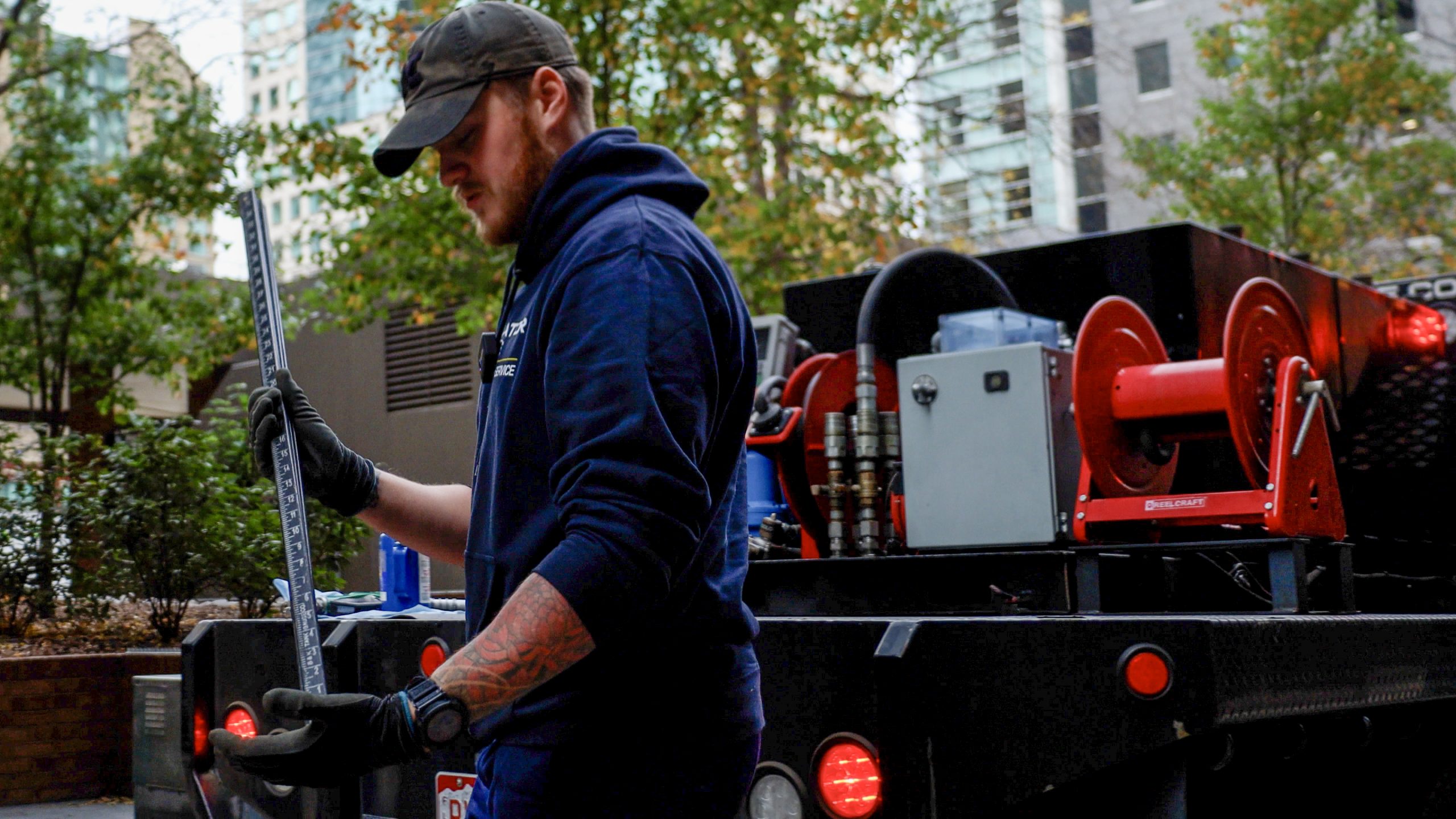
Once a rental contract is signed, I go out to the yard and inspect the unit with the technician before it ships. Our fleet spans a lot of manufacturers and emissions tiers, and I want to know exactly what’s headed to your site. So, if you call with a question or an operator issue, I can usually walk you through it on the phone instead of making you wait on a dispatch.
On site I’m looking at more than where the generator sits. How will our techs and your crew get to it after a snow? Where do the cables run, and is another trade going to drive over them? Is it clear of exits and air intakes? I carry an OSHA 30 among many other credentials, and I look at every site with the safety of our people and yours in mind.
If the power goes out, you’re the priority. Outages don’t keep business hours, so neither do we. When a big storm or fire shows up in the forecast, here or anywhere else, I’m already talking to partners across the industry. There’s only so much equipment out there, and response time comes down to knowing where it is.
Before you call, grab these
You don’t need to speak power to rent a generator. That’s our job. But if you have a few things handy, we’ll get you sized a lot faster:
- The site address, so we can account for elevation, environment and dispatch time
- Amperage needed
- Voltage and phase, if you know them
- What you’re plugging in or trying to power, especially motors, heaters and anything with a big startup draw
- How long you need power, and whether it runs around the clock
- Whether natural gas is available on site
- Access notes like gates, ground conditions and who’s handling snow removal
If you’ve got winter work on the calendar, reach out now, not after the first storm. Call our Brighton team at 877-866-6895 or request a quote at generatorsource.com. And if you’re already lost power, our emergency line is 720-990-5106, any hour.

Morgan Trujillo
Outside Sales Manager
mtrujillo@generatorsource.com
877-866-6895