
Electric power generators are classified based on their mode of operation into continuous, prime, or standby. While continuous and prime generators function as the main source of power for extended periods, standby generators are designed for backup during temporary outages. This article compares the key features, applications, and suitability of each type.
Types of Generators
Continuous and Prime Generators
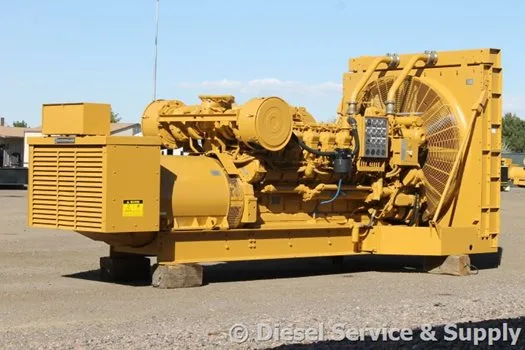
- Continuous Generators: Operate continually with a consistent load.
- Prime Generators: Operate for extended durations with variable loads.
Common Applications
- Remote locations (e.g., mining, oil and gas, construction, ships).
- Situations with limited access to the utility grid.
- Cases where self-generation is more cost-effective than purchasing grid power.
Standby Generators
- Operate only during utility grid outages or in backup scenarios.
- Commonly used for temporary disruptions due to storms or infrastructure failures.
Key Characteristics
- Designed for short-duration operation.
- Require less robust components compared to continuous/prime generators.
Key Features of Continuous/Prime vs. Standby Generators
1. Cooling Systems
A. Continuous/Prime Generators
- Engine Cooling:
- Large cooling systems manage heat from continuous combustion.
- Includes water jackets, radiators, and fans.
- Industrial units may require cooling towers for engines exceeding 2250 kW.
- Alternator Cooling:
- Alternators must have heavy-duty windings.
- Cooling systems maintain a temperature rise limit of 105°C.
B. Standby Generators
- Engine Cooling:
- Smaller cooling systems suffice due to limited operation time.
- Some smaller units use air cooling, eliminating the need for water circulation.
- Alternator Cooling:
- Alternators can withstand high temperatures for short periods.
- Windings and insulation are designed for limited heat exposure.
2. Air Cleaner Assemblies
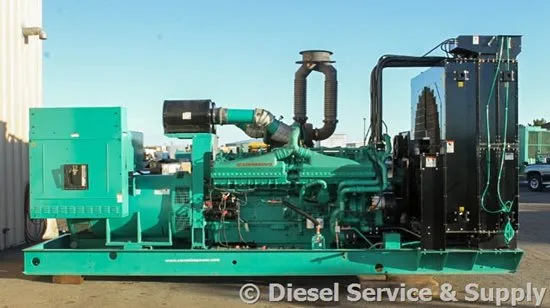
- Continuous/Prime Generators: Require heavy-duty air filters to manage continuous operation without frequent cleaning.
- Standby Generators: Do not need as robust air cleaners due to intermittent use.
3. Revolution Speeds
- Continuous/Prime Generators: Operate at lower speeds (e.g., 1,200 rpm or 900 rpm) to enhance durability and reduce maintenance costs.
- Standby Generators: Typically operate at standard speeds (1,800 rpm).
4. Power Output
- Continuous Generators: Deliver 25% to 100% of rated capacity indefinitely. Often paired with a second unit for automatic failover.
- Standby Generators: Provide varying outputs for specified durations and require an automatic transfer switch for seamless activation during outages.
Choosing Between Continuous, Prime, or Standby Generators
Before purchasing a generator, it is essential to determine its intended purpose:
- Standby Generators: Suitable for occasional, short-term outages.
- Prime Generators: Best for variable loads and extended use.
- Continuous Generators: Ideal for consistent, long-term loads in remote or industrial settings.
Key Considerations
- Frequent or prolonged outages may justify the higher cost of prime or continuous generators.
- Overusing standby generators beyond their rated capacity can lead to breakdowns and reduced lifespan.
The Impact of Elevation and Temperature on Power Ratings
Elevation Considerations
- Standby Power Rating:
- Operates at altitudes up to 3,000 ft. without deration.
- Prime Power Rating:
- Operates at altitudes up to 5,000 ft. without deration.
- Continuous Power Rating:
- Requires performance reduction by 3% per 1,000 ft. above rated altitude.
Temperature Considerations
- Engines can handle temperatures up to 100°F without deration for standby and prime ratings.
- For continuous duty, performance decreases by 1% per 10°F increase above rated temperature.
Summary of Adjustments:
- Altitude: Reduce power output by 3% per 1,000 ft. for continuous duty.
- Temperature: Reduce power output by 1% per 10°F above standard conditions.
Standards and Consultation
- Reference Standards:
- ISO 3046
- BS 5514
- DIN 6271
- Professional Guidance:
- Consult an electrical contractor or generator specialist to determine the appropriate generator rating for your needs.
- Proper assessment ensures optimal performance and longevity for your generator.