The men who signed the Declaration of Independence did it by candlelight. Not for atmosphere. There was nothing else. In 1776 the most advanced energy a person could call on was a fire, a draft animal, a sail, or a water wheel, roughly the same menu the Roman Empire worked with seventeen centuries earlier. The candles burned whale oil or rendered animal fat. A productive day ended when the sun did.

Two hundred and fifty years later, the United States produced more electricity than in any year in its history, and the utilities that produce it are warning they cannot build enough of it fast enough. How the country got from the first fact to the second is a fair way to understand America. It also happens to be a story a generator company watches closely.
Muscle, wood, and water (1776 to the 1860s)
For the republic’s first century, energy was something you gathered close to home. Wood heated houses and fed the first steam engines. Grain mills sat on rivers because falling water was the only force strong enough to turn the stones for free. Wind carried freight across oceans. A farm or a town mostly powered itself, because there was no other way to do it. Supplying your own power was not a principle anyone argued for. It was the only option on the table.
Coal changed the arithmetic. By the 1880s it had passed wood as the country’s main fuel, and for good reason. It carried far more energy in far less space, and it did not care whether the river was running. Coal put locomotives on transcontinental track and turned river towns into factory cities. Then in 1859, Edwin Drake drilled the first commercial oil well in Pennsylvania, and within a generation petroleum lit lamps as kerosene and moved automobiles as gasoline.
The grid arrives (1882 to the 1950s)

The real turn came on the afternoon of September 4, 1882, in lower Manhattan. Thomas Edison threw a switch at his Pearl Street Station and sent current to about 400 lamps across roughly 85 customers, the New York Times among them. The paper reported the next morning that the light was soft and easy on the eyes. The plant was coal-fired, about the footprint of a couple of brownstones, and it lost money for two years. It also started everything.
Pearl Street ran on the opposite idea from the farm. Instead of every building making its own power, one central plant would make it for the whole block and ship it out through wires. Once Tesla and Westinghouse proved that alternating current could carry electricity over distance, the block became the region. A hydroelectric plant at Niagara Falls was feeding Buffalo by the mid-1890s.
For decades the grid stopped at the city limits. As late as the mid-1930s, about nine in ten American farms still had no electric service, because running lines out to scattered homesteads did not pay. Finishing the job took federal money and federal will: the Tennessee Valley Authority in 1933, Hoover Dam coming online in 1936, and the Rural Electrification Act the same year, which lent co-ops the cash to string wire down dirt roads. Inside of twenty years, a country where most rural families had never seen a light switch became one where everybody expected one.
One big grid (1950s to today)
After the war, thousands of local utilities stitched themselves into the interconnected grid most of the country still leans on. Nuclear power arrived with the Shippingport plant in 1957 and grew quickly until the late 1970s, when it stalled. Coal stayed the workhorse for decades. Then cheap shale gas showed up, and around 2016 natural gas passed coal as the nation’s leading source of electricity. Wind and solar, dismissed for years as fringe energy, scaled up fast enough that in 2024 they out-generated coal for the first time.
That brings us to the 250th birthday and a snapshot worth keeping. In 2025 the U.S. generated about 4.43 trillion kilowatt-hours, an all-time high. Natural gas led at roughly 40 percent. Nuclear and coal sat near 17 percent a piece. Wind ran about 10 percent and solar about 8, and the water wheels of 1776 are still with us as hydropower, good for around 6 percent of the mix.
The future of American power
Here is the development that actually matters for the next few years. For most of two decades, American electricity demand barely moved. That stretch is over. Demand set a record in 2025 and is on track to break it again in 2026, and the cause is not air conditioning or electric cars. It is computing. Data centers, and the artificial intelligence running inside them, now account for a large share of all the new load on the system. And this load behaves differently from the old kind. Air conditioning spikes on a hot afternoon and fades overnight; a large data center draws close to its full load around the clock, every day of the year. The grid never gets the overnight break it used to count on. That demand is also climbing faster than power plants and transmission lines can be built to feed it.

The grid is feeling the squeeze. In Texas, peak demand on the ERCOT system could reach roughly 145 gigawatts in the early 2030s, up from about 85 in 2024. PJM, which keeps the lights on for more than 65 million people across the East, has warned it may fall short of its own reliability targets as soon as 2027. Across the industry the bottleneck even has a name now, “speed to power,” meaning how fast you can actually energize a new building. For a hospital, a factory, or a data center, the honest answer is often: not fast enough through the utility alone.
For 150 years the direction of travel ran one way, off your own land and onto the shared grid, so nobody had to think about where their power came from. That is starting to reverse. More businesses are putting generation back on their own property, not to abandon the grid but to stop being at its mercy. The 1776 habit of supplying your own power, given up a century ago because the grid was simply better, is worth having again.
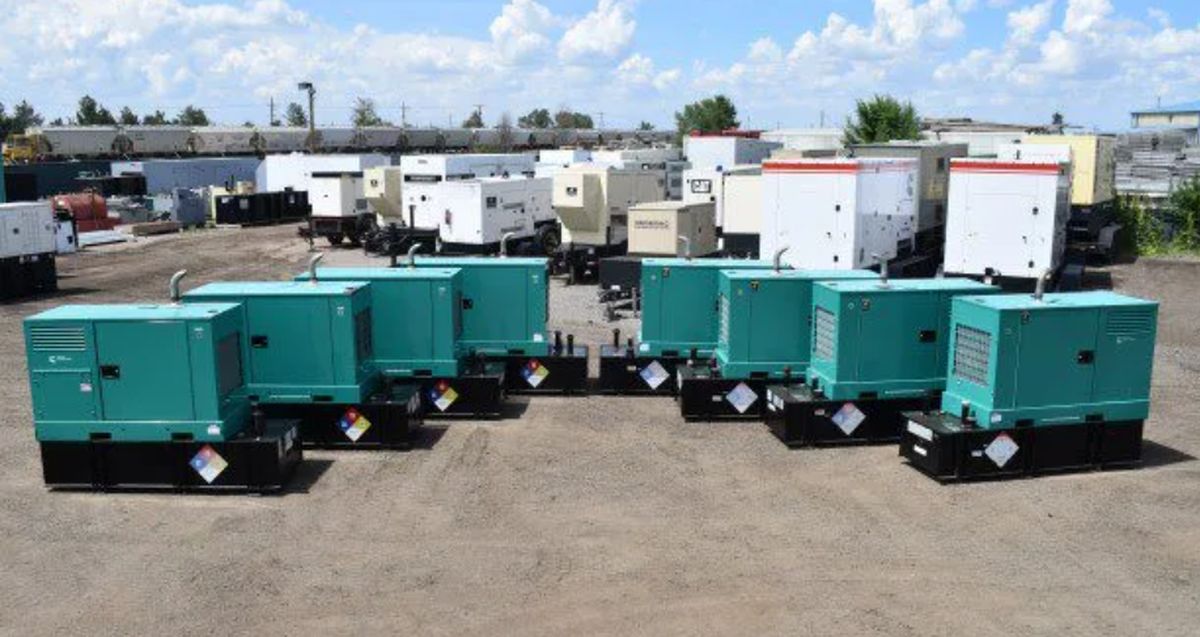
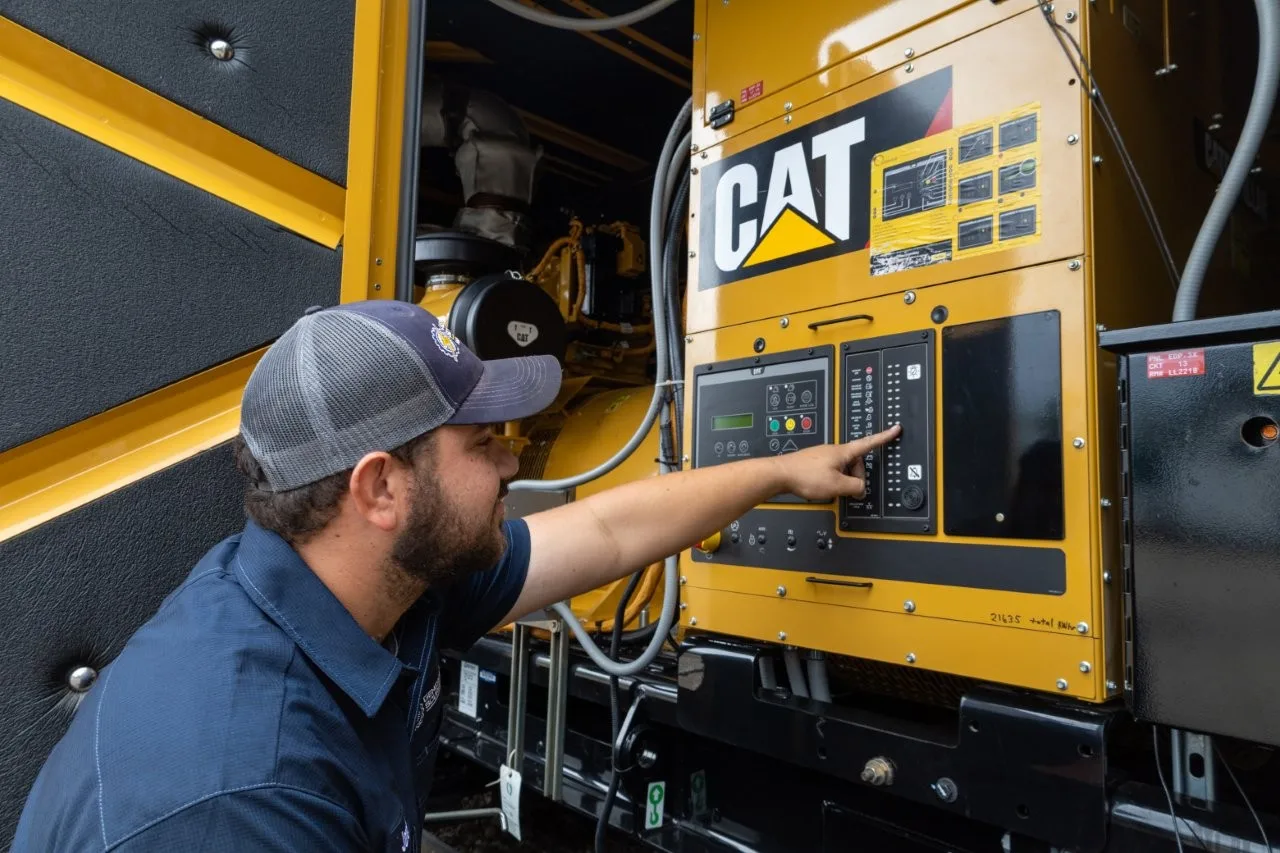
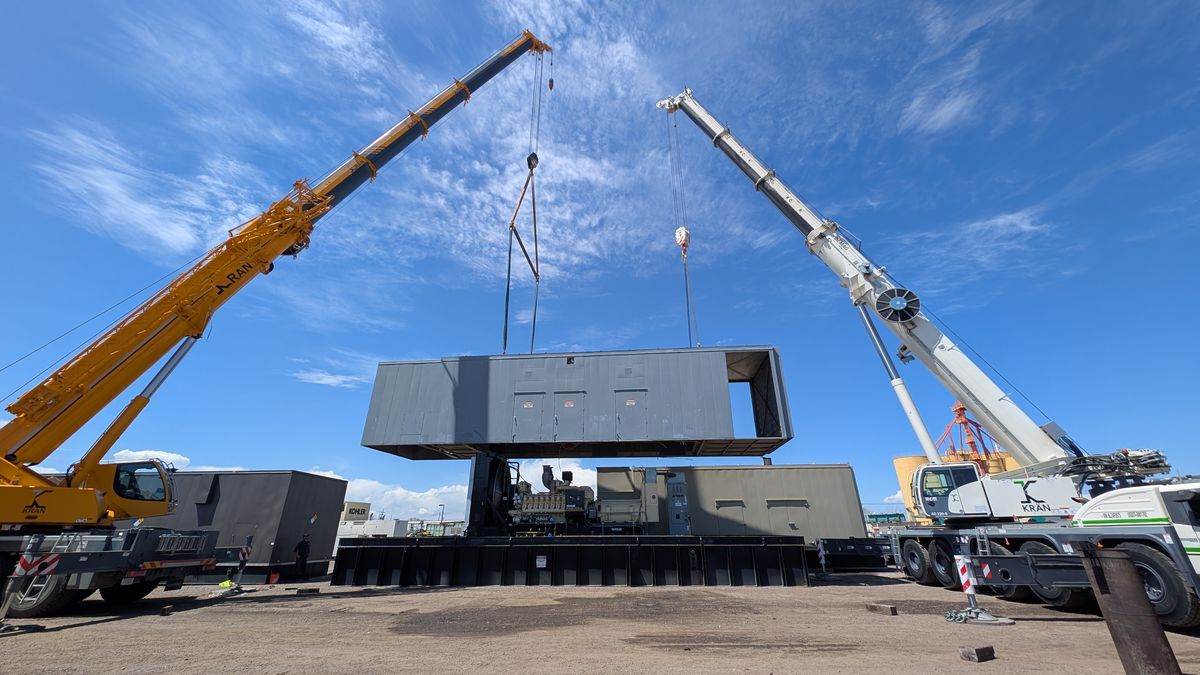
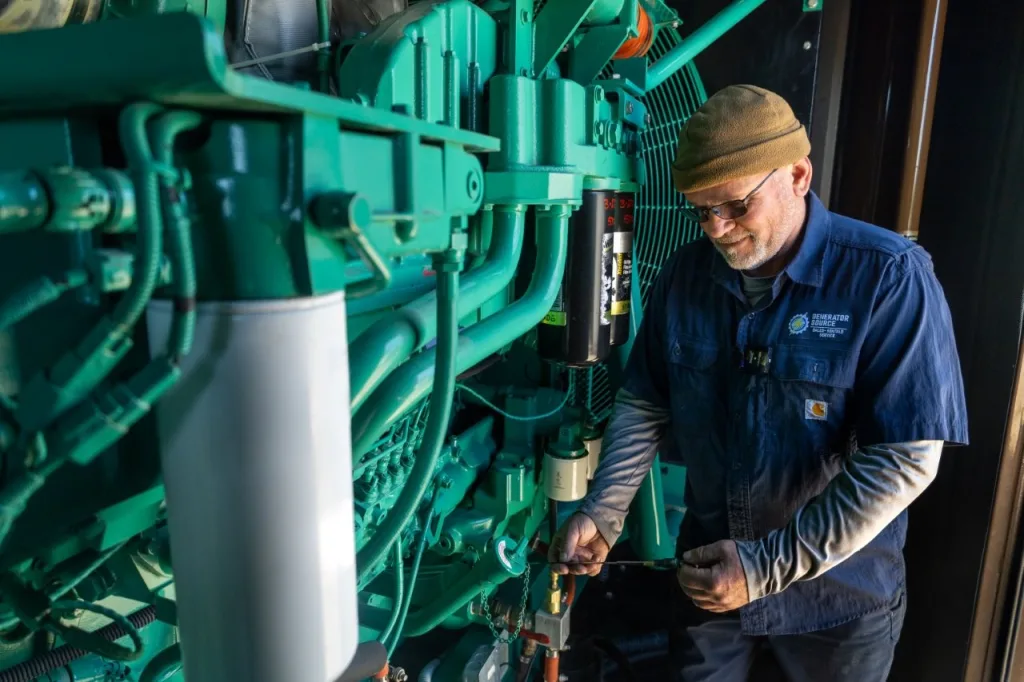
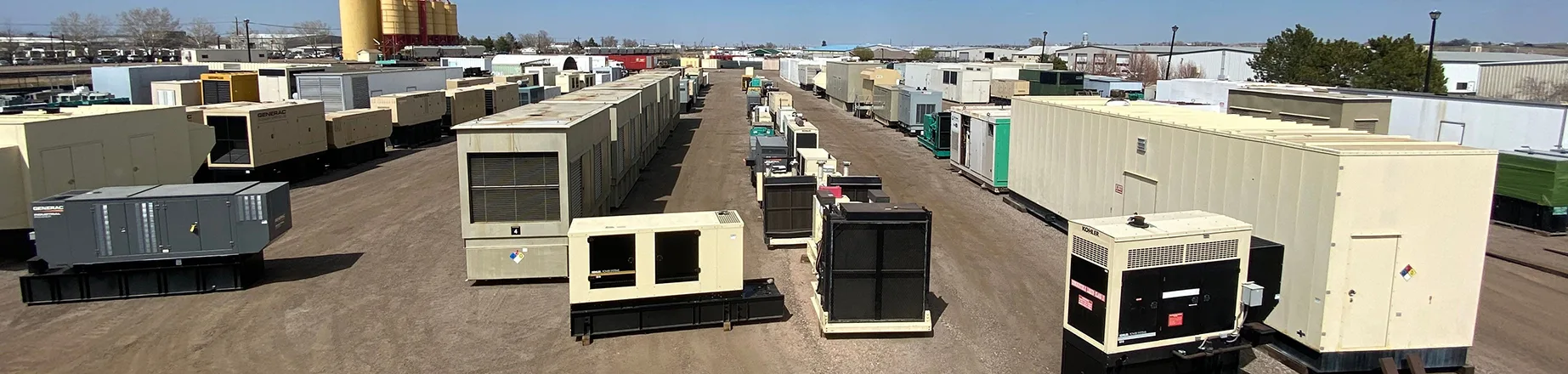
That last part is our corner of the story. Generator Source has spent its years selling, servicing, renting, and buying back the commercial and industrial machines, rated anywhere from tens of kilowatts to several thousand, that keep an operation running when the utility cannot promise it will. As the largest in-stock reseller of those generators in the country, we get a clear look at who is buying and why, and lately the why would sound familiar to the people who signed that document by candlelight. Do not assume someone else will keep your power on.
This Fourth of July the fireworks will run on the grid, the same as always. A growing share of the country’s hospitals, factories, and data centers, by their own choice, will be running on power they control. After 250 years, the nation is still working on the problem the founders had, and getting better at it.