
Hurricane Isaias reached the Pensacola area over the weekend of October 9 and 10, and our service team was out on emergency generator calls before it arrived and while it was on top of us. It was the first hurricane of the year for the Gulf, and it reminded us that being prepared and safe puts you ahead of the storm.
What Hurricane Isaias brought to Pensacola
Isaias was the first hurricane of the 2026 Atlantic season. As it closed in on the coast near Pensacola, the National Hurricane Center had it at Category 3 with sustained winds around 120 mph. Forecasters were calling for storm surge up to 9 feet and as much as 15 inches of rain along the coast, with tornadoes possible on the east side of the storm. Several coastal counties ordered mandatory evacuations, and the governor told residents to assume they’d lose power and to expect gas shortages.
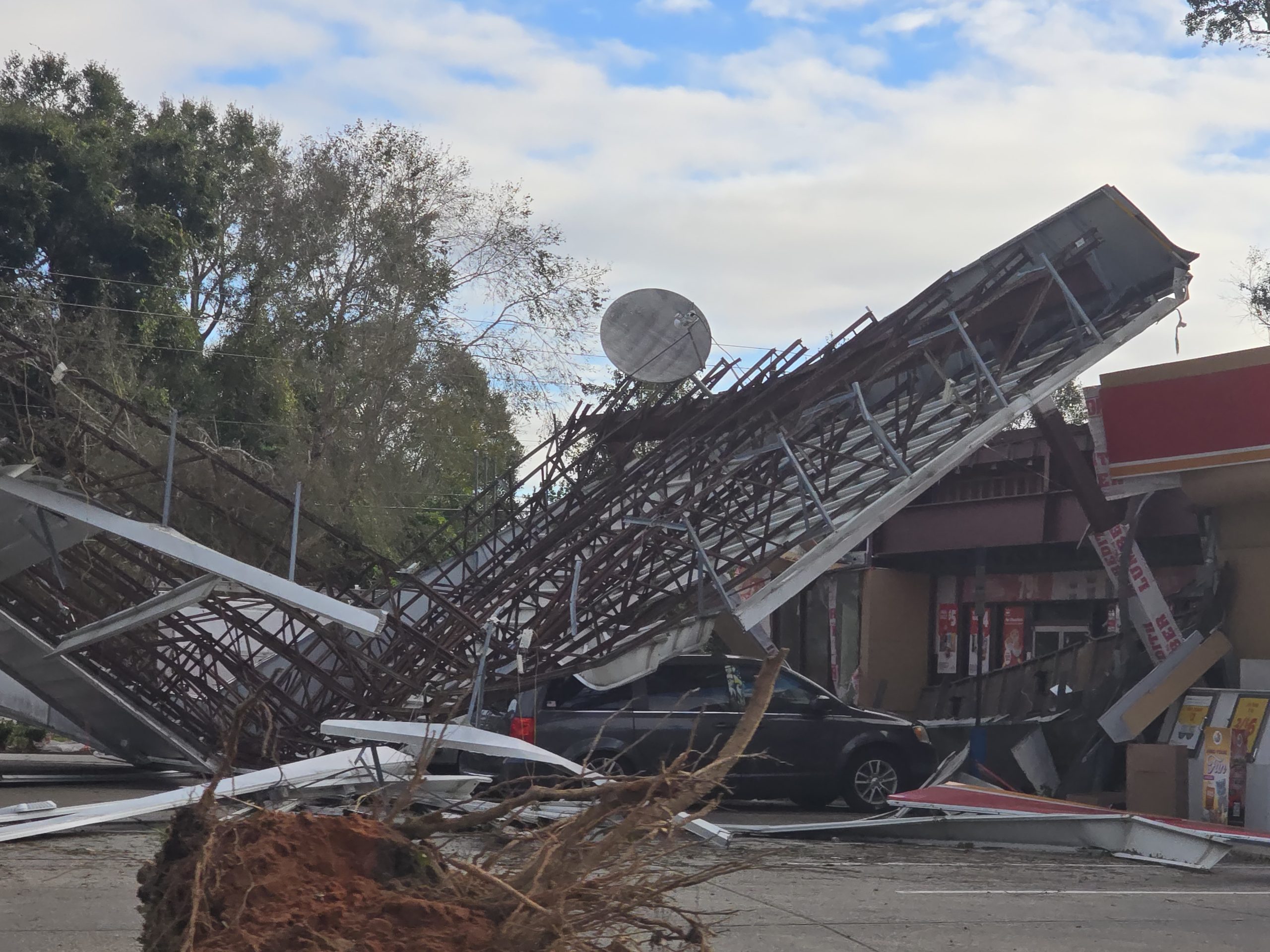
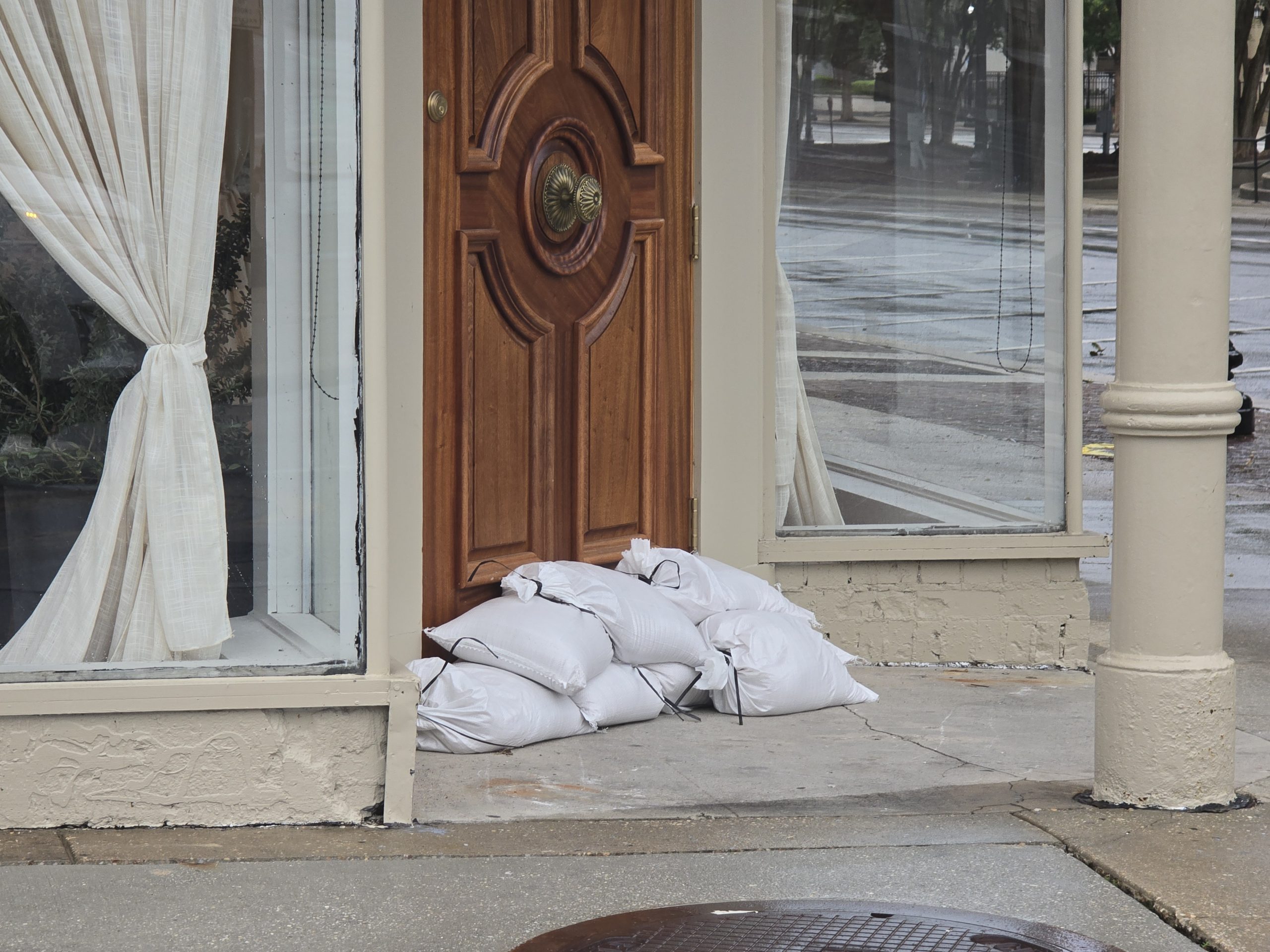
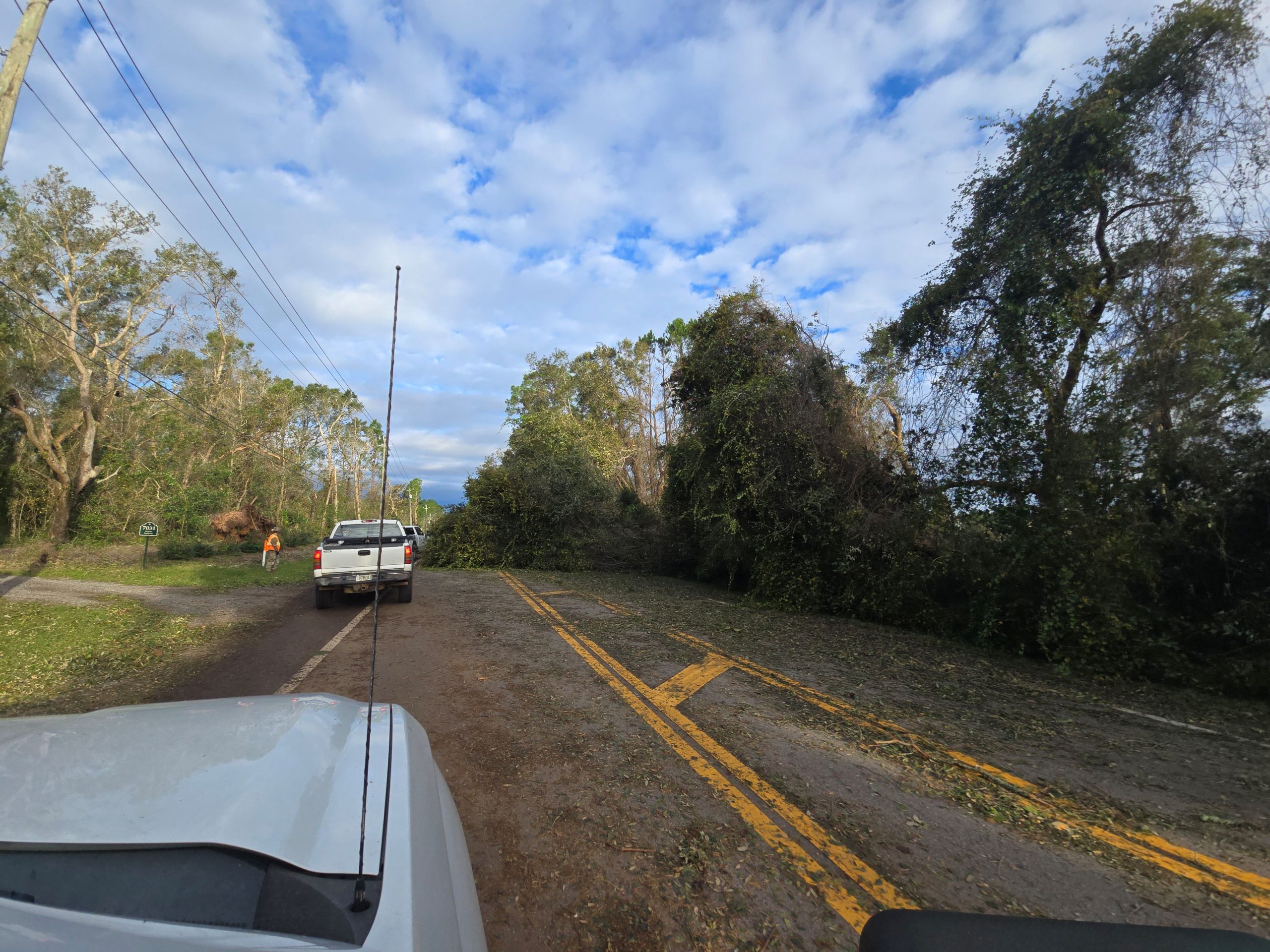
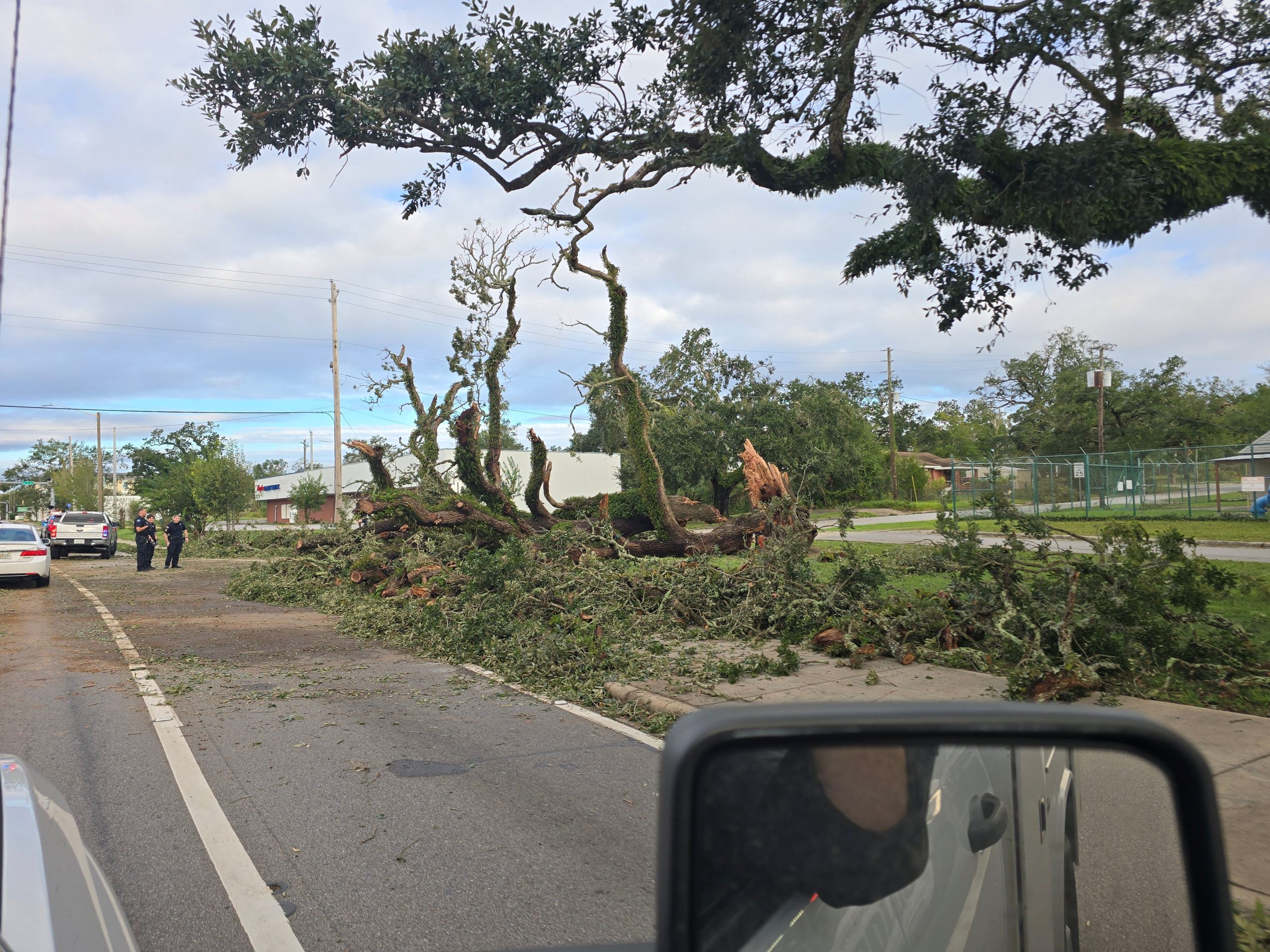
Once the storm moved through, we saw a lot of damage around the Pensacola region, including right around our own office. Our team lives here, so we were dealing with the same mess our customers were while we answered their calls.
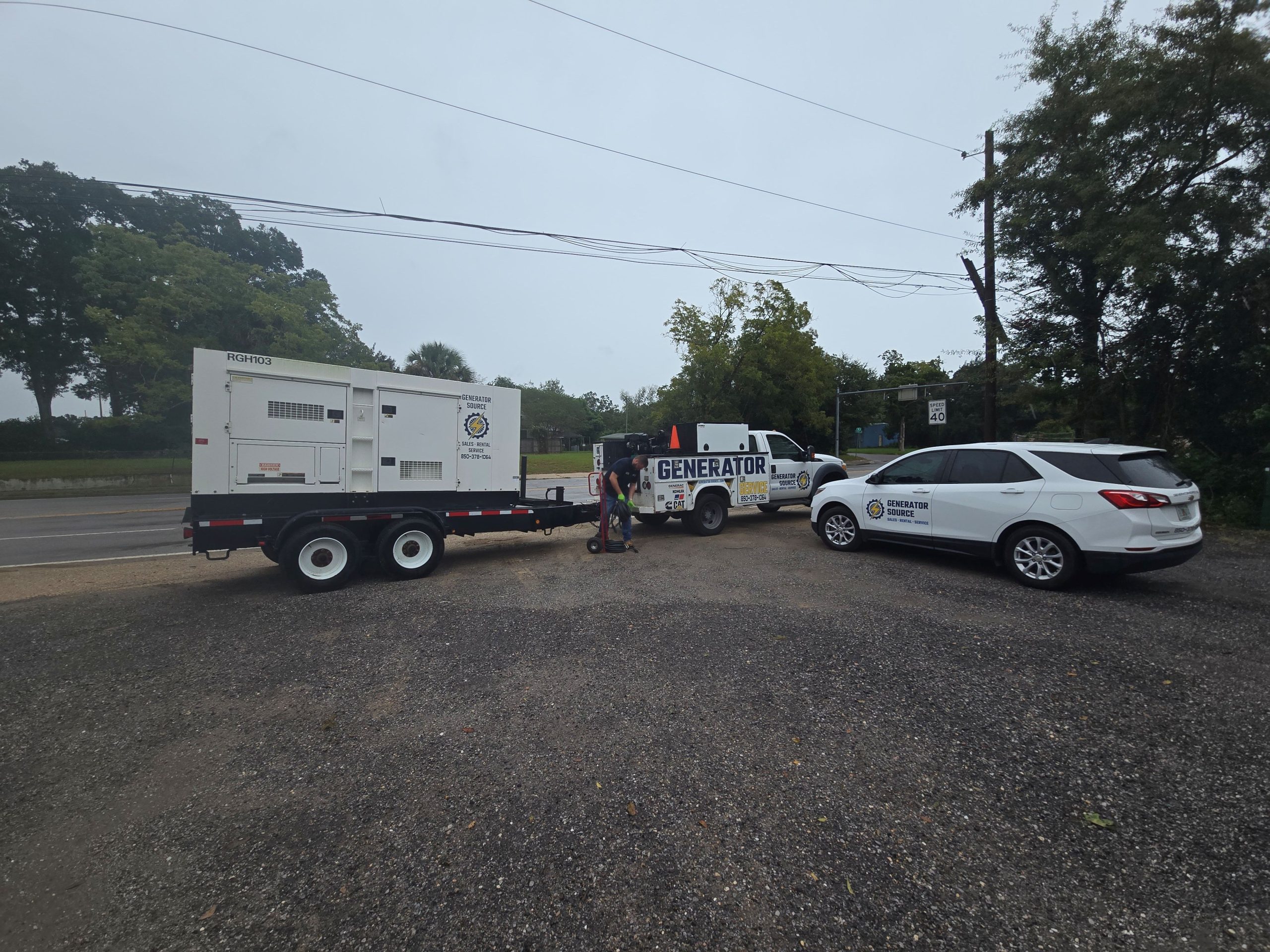
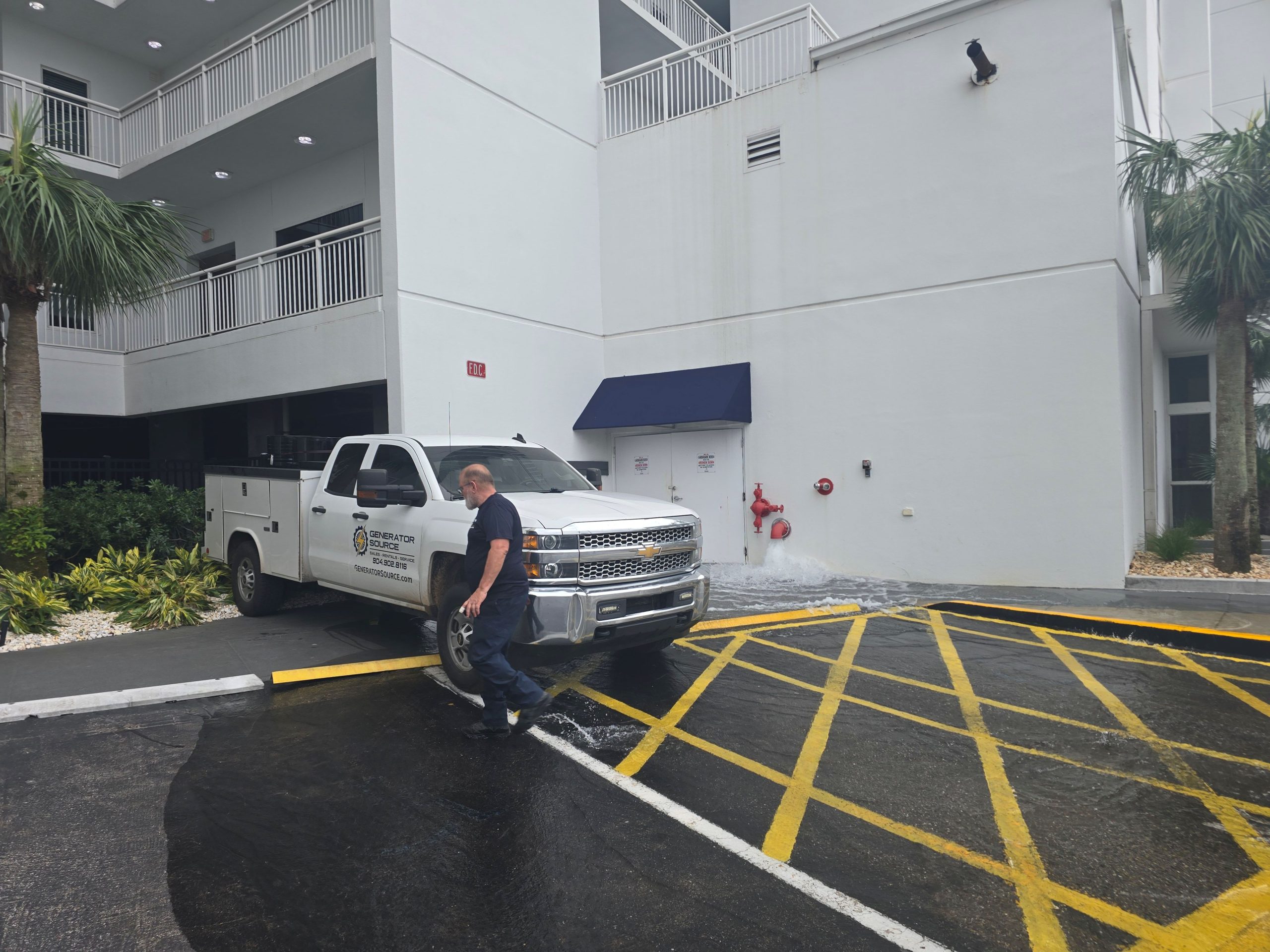
Our service teams worked emergency calls all weekend. Some of that happened before the storm, when customers wanted to know their generators would start and carry load once the grid went down. The rest happened during the storm, when the lights were already out and a generator was the only thing keeping a building running.
Anyone who has answered the phone in those hours knows what the person on the other end sounds like. They’re nervous, the power is out, and what they’re protecting often can’t go dark, like a medical office or a water system. Our job on that first call is to stay calm and get a technician moving. A hurricane gives you a few days of warning, and that window is the part you control. After landfall, roads close and fuel gets scarce while every service team in the region takes calls at once.
What customers needed during Isaias
The phones stayed busy from Friday afternoon through Sunday evening, mostly with people whose generators weren’t working and people who needed rental power.
Several callers had a standby generator that didn’t do its job when the grid went down. One had a blank display with no response from the controller. Another unit cranked and wouldn’t start. A third was supposed to pick up the load automatically and never did. Those are the symptoms that send us to the battery and the transfer switch first, which is why those two sit at the top of our list.
Another group wanted equipment. People asked about trailer-mounted rentals, about a unit for a pharmacy, and by Sunday evening, about smaller units for restoration crews heading to job sites. During the storm, rentals went out on weekly terms. On Sunday morning large units still couldn’t be hauled, so those deliveries moved to Monday.
The last group came down to timing. Callers with generators we hadn’t serviced before heard Monday at the earliest, and by Sunday morning the answer was Tuesday or Wednesday. A hurricane stretches every service team, ours included. That’s why we tell people to put a generator on a maintenance schedule well ahead of hurricane season.
Before the next storm, get your generator ready
Hurricane season runs through November 30, so there’s still time to work through this list. Preventative maintenance is the simplest way we know to keep a generator operational, and most of these steps come from it.
- Book preventative maintenance before a storm shows up on the forecast. When one is sitting in the Gulf, everyone calls at once and every service team gets stretched. Our technicians run a 31 point inspection top to bottom, and twice a year is a good rhythm.
- Replace the batteries every 24 months. A battery may last eight to ten years, but a standby generator is emergency equipment, and a weak battery is the first thing we check when a unit fails to start.
- Have the transfer switch checked. After the battery, the automatic transfer switch (ATS) is the next most common reason a generator doesn’t pick up the load.
- Fill the tank and find out how long it runs at your real load. Fuel gets scarce after landfall. If your fuel has been sitting, test it, because dirt or water in diesel can clog filters and injector pumps. We can sample and analyze your fuel and polish it when it needs it.
- Schedule a load bank test. A load bank takes the generator up to 80 to 100 percent of its rated capacity, usually for one to four hours. If something is going to fail, we’d rather it fail on the load bank than in the middle of an outage.
- Walk the site. Check oil and coolant levels, clear loose debris away from the enclosure and louvers, and make sure the exhaust and air intake paths are open.
If your generator is older or you’ve outgrown it, call us early. Lead times on new generators are long right now, especially on larger units. Used and rental equipment can cover the gap while you decide on a permanent setup.
Renting a generator during a storm
If you don’t have standby power, or yours is down, a rental can fill the gap. It goes much faster when you already have a few answers ready.
Know your voltage and amperage requirements. One caller needed trailer-mounted units at 208 volts with 100 amp connections. We rent by kW, and the voltage is selectable on the unit, so a caller who can give us those numbers gets to the right unit on the first call.
Size the unit to your load. One caller managing a large facility asked for the biggest generator available to be safe. The kilowatt-hours on a monthly utility bill measure energy over a month, and a generator has to meet the kW your building draws at once. A generator running far below its rated load can also wet stack, which is when unburned fuel collects in the exhaust and hurts the engine. Our team can help you work out the right size from your amperage.
Confirm that your building has a place to connect. A rental either takes the place of a generator that’s down or ties into a connection point on the building. If the site doesn’t have one, a licensed electrician has to install it before the unit can go to work.
Call before landfall. Storm rentals go out on weekly terms, and large units can’t be hauled while roads are unsafe, so the time to line up a unit is while the storm is still in the Gulf.
Staying safe while the generator runs
Keep the engine and its exhaust outside, well away from doors, windows and air intakes. Carbon monoxide from a running generator builds up fast, and you can’t see or smell it. This matters most with portable and rental units set up near occupied buildings.
Never tie a generator into a building’s wiring without a properly installed transfer switch. Without one, power can feed back onto the utility line and hurt a lineworker who thinks the line is dead.
Treat anything electrical as live. Our technicians lock out and tag out a breaker every time they work on one, and we ask facility staff to leave electrical panels closed and call us. Stay clear of downed lines, and don’t walk through standing water near a generator or its cables.
Run cables where nobody will trip on them and keep them out of water. When we hook up a rental, we plan the cable route as carefully as the placement of the unit.
Follow your site’s fueling procedure and keep ignition sources away from fuel. Also watch the gauge. Running out of fuel is a common reason a generator quits, and a long outage is exactly when fuel is hardest to get.
What to check before you call it done
Utility power coming back doesn’t end the job. Start with a walk around the unit. Look over the enclosure, exhaust, louvers and cable connections for damage from wind and debris. If water reached the generator, the transfer switch or the fuel tank, don’t try to start it. Have a technician inspect it first, since water in the electrical gear or the fuel can ruin a unit that would have been fine otherwise.
Then look at the hours. A generator that ran for days has used up service life faster than the calendar says, so oil, filters and coolant come due sooner. A post-storm inspection and load test is the quickest way to learn what the run took out of it. It costs a lot less to catch a worn part during a scheduled visit than to pay for an after-hours call and parts in the next outage.
Last, refill the tank and confirm the unit went back to standby and will start the next time it’s called on.
Hurricane generator FAQ
Why would a generator fail to start during a hurricane? The battery is the first thing we check. The transfer switch comes next, and after that, fuel. Sometimes the generator did its job and the problem is a tripped breaker downstream of it, so a technician checks the load side as well.
How often should generator batteries be replaced? We recommend every 24 months on standby generators. Batteries can last longer, but this is emergency backup power, and a battery that fails during an outage costs far more than a new one.
What is a load bank test? A load bank test puts a controlled electrical load on your generator, usually up to 80 to 100 percent of its rated capacity, for one to four hours. It shows whether the generator can carry your building when it counts, and it burns off carbon that builds up when a unit only runs lightly loaded.
Should I start a generator that got wet in a flood? No. Leave it off and have a technician inspect the unit, the transfer switch and the fuel before it runs.
Does Generator Source service generators in Pensacola? Yes. Our Pensacola branch services commercial and industrial generators and has on-call technicians for emergencies after hours and on weekends.
Generator service in Pensacola
The Gulf hurricane season isn’t over, and the best time to get a generator checked is before the next storm has a name. Our Pensacola branch is at 1505 North W St, Pensacola, FL 32505, open 7AM to 4PM on weekdays, with on-call technicians for emergencies after hours and on weekends. We sell, rent, buy and service commercial and industrial 60Hz generators from 20kW up.
Visit our Pensacola generator service page to schedule preventative maintenance or a load bank test, or to find the emergency line.