What This Week’s Grid Strain Means for Your Operations
Article Summary: A record-breaking heat wave across the Midwest, South, and East Coast is pushing U.S. electricity demand toward an all-time high this week. PJM Interconnection, the largest U.S. grid operator, forecasts demand of 166,304MW on July 2, 2026, surpassing the prior record of 165,563MW set in 2006. On June 30, 2026, the U.S. Department of Energy issued emergency orders authorizing PJM to curtail data centers and other large power users and to waive certain power plant pollution limits, in order to avoid rolling blackouts. NYISO and MISO are also approaching record demand.
A massive heat wave is settling in over the Midwest, South, and East Coast this week, and it’s not just testing your patience. It’s testing the power grid itself.
As temperatures climb into the upper 90s and triple digits from the Plains to the Atlantic coast, the power systems that keep facilities, fleets, and critical infrastructure running are facing some of the highest demand they’ve seen in over two decades. For organizations that can’t afford downtime, this week is a real-time stress test of backup power readiness.

A Grid Under Record Strain
PJM Interconnection, the largest regional grid operator in the United States and the entity responsible for keeping power flowing across 13 states and Washington, D.C., is forecasting electricity demand of 166,304MW on July 2. If that forecast holds, it would break the grid’s all-time summer peak of 165,563MW, a record that has stood since 2006.
To put that in perspective, a single megawatt is roughly enough to power 750 homes. A new record of this size means the grid is being asked to deliver enough electricity for well over 100 million households at once, on top of the commercial, industrial, and institutional load layered over it.
PJM isn’t the only operator watching the numbers climb. New York’s grid operator (NYISO) is also expecting demand to approach record highs, and the Midcontinent Independent System Operator (MISO), which covers 15 states across the Midwest and South, could see its own peak demand record challenged this week.

Why the System Is Under So Much Pressure
Heat waves have always driven up electricity use, cooling systems work harder, and they run longer. But this summer’s spike is landing on a grid that’s already stretched thin.
Grid planners point to a widening gap between how fast electricity demand is growing and how quickly new power supply can be built and connected. Some of the biggest new sources of demand are data centers, which now account for a significant and growing share of total electricity use. The largest, known as hyperscale facilities, can each require 100MW to 300MW of power, and many of them are concentrated in northern Virginia, one of the largest data center hubs in the world and a region sitting squarely inside PJM’s service territory.
Add in electrification, fleet conversions to EVs, population growth, and a hotter-than-average summer outlook, and it’s easy to see why grid operators are watching this week closely. Federal regulators project that total U.S. electricity consumption this summer will be up 3% over last year, the strongest summer-over-summer growth since 2022.
Emergency Measures Are Already in Place
The situation is serious enough that the U.S. Department of Energy stepped in on June 30, approving emergency orders that allow PJM to:
- Curtail data centers and other large energy consumers, directing them to reduce their draw on the grid or shift to backup power
- Waive certain power plant pollution limits temporarily, allowing more generation capacity to come online during the peak of the heat wave
This kind of backup generation order is considered a last resort, it’s meant to help the grid avoid more disruptive steps like voltage reductions or rolling blackouts. The current order is set to expire July 3, right as the heat wave is expected to be at its worst.
It’s worth noting this isn’t uncharted territory. During a similar heat event in June 2025, PJM successfully managed a peak of 162,401MW, the third-highest in its history, in part by using demand response programs that reduced load by more than 4,000MW at the most extreme points, without needing to force any outages. Grid operators have real tools for managing events like this one; this week is simply testing those tools at a larger scale. Notably, the current DOE order specifically directs large energy consumers, including data centers, toward backup generation.
What This Means If Your Organization Can’t Afford Downtime
Here’s the uncomfortable truth this week is putting on full display: even with emergency measures in place, grid operators are managing this event, not guaranteeing it. “Enough electricity to meet demand” and “no risk of outages” are two different things, and the margin between them gets thinner every time a heat wave like this one pushes past the last record.
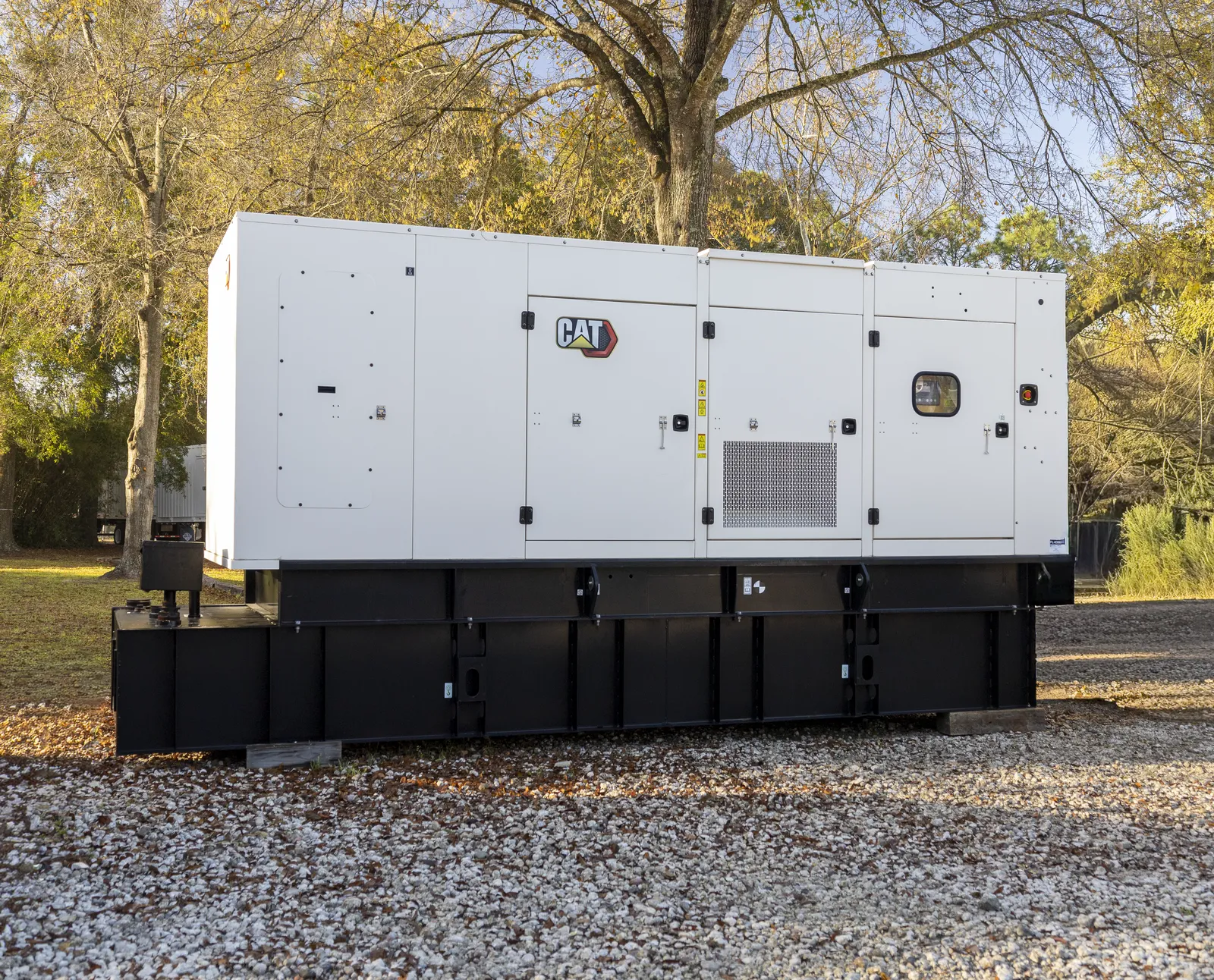
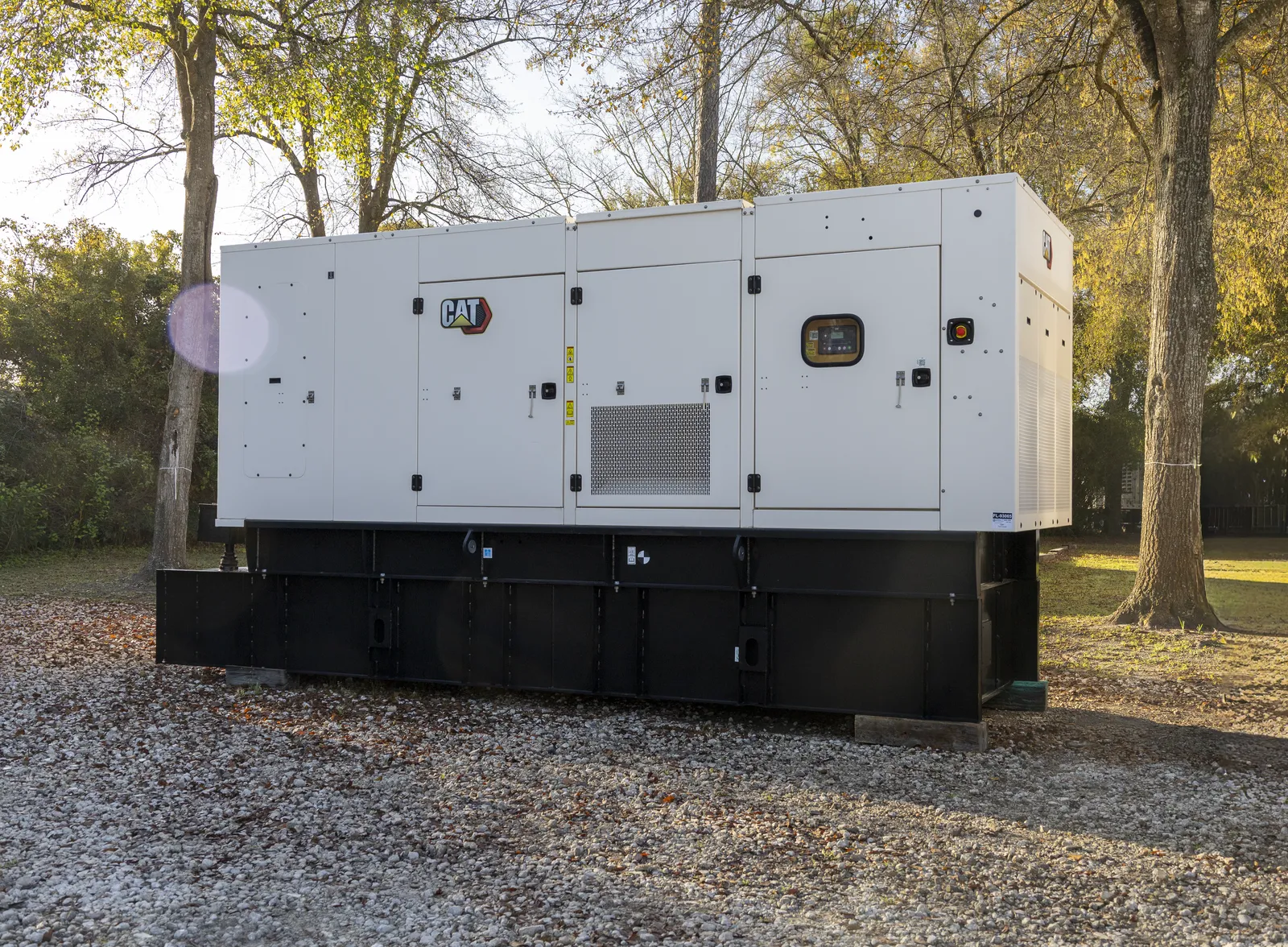
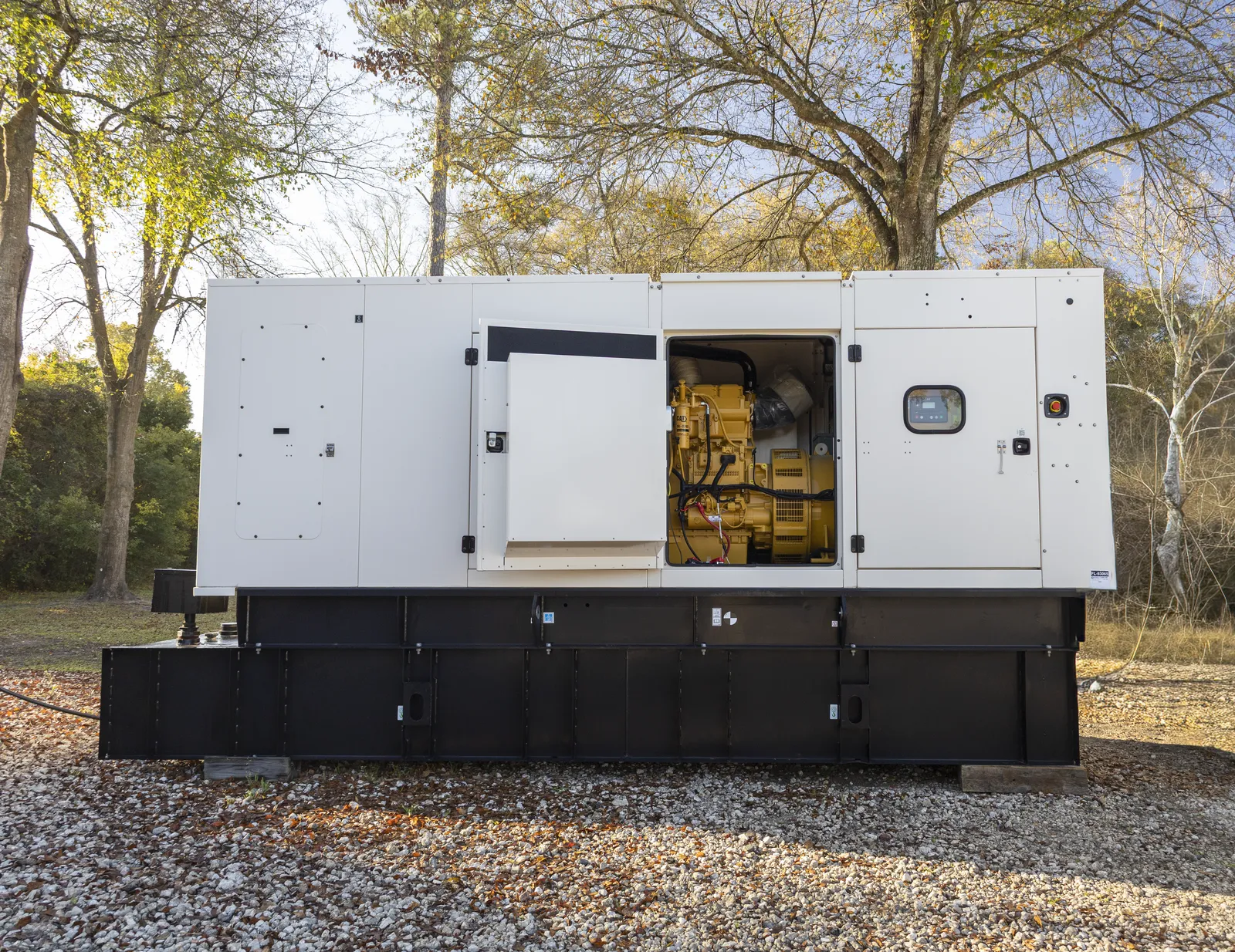
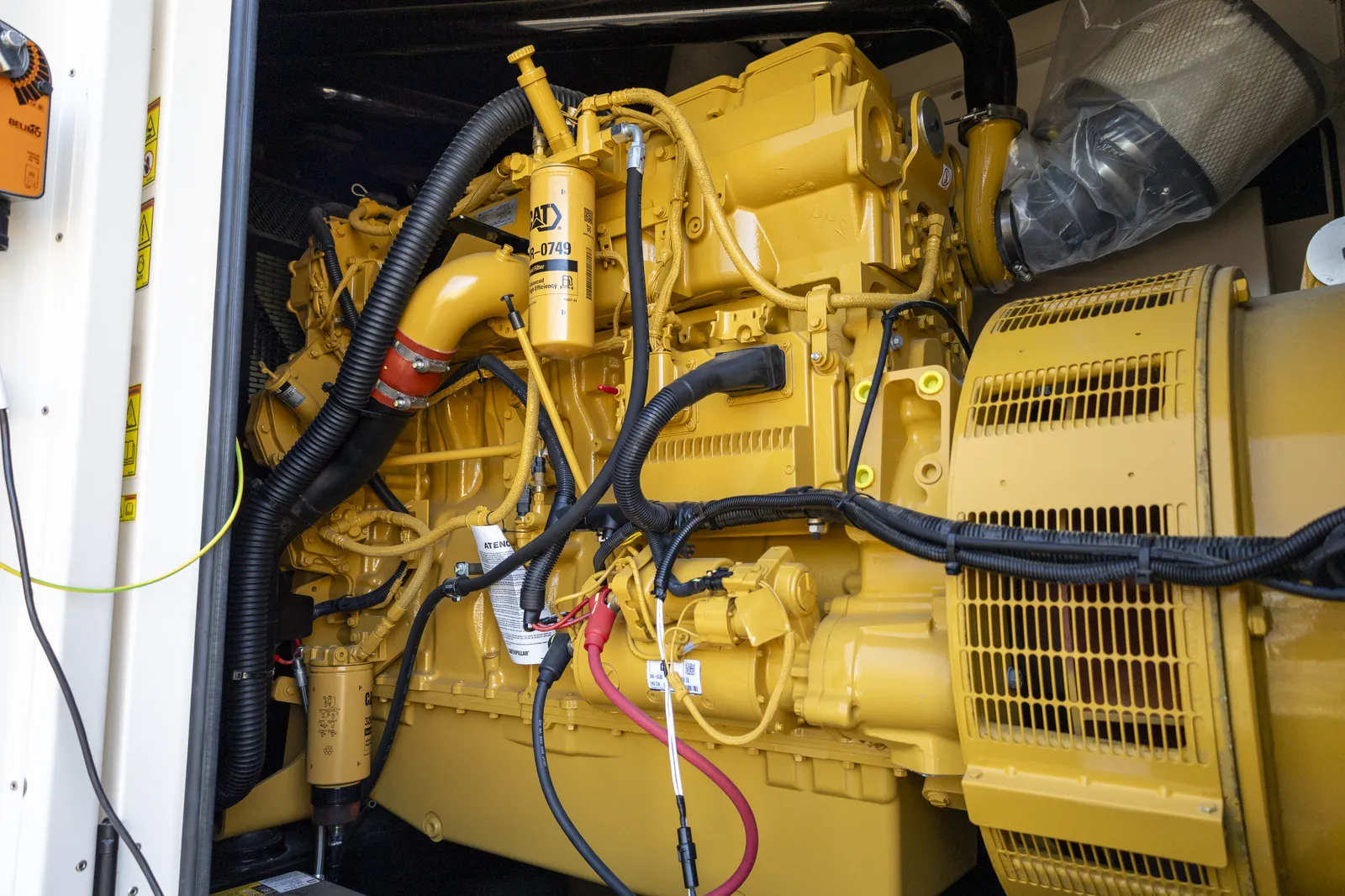
For organizations where downtime means real operational or safety consequences, this is exactly the scenario that backup and standby power infrastructure exists for. It’s not about the rare, headline-making blackout.

A few questions worth asking this week:
- Is your standby generation sized for today’s load, or for the load your facility had when it was last assessed?
- When was your equipment last load-tested under real conditions, not just exercised on a no-load cycle?
- Do you have adequate fuel supply and a resupply plan if an outage extends past a day?
- Is your transfer switch equipment rated and maintained for automatic failover, or does it require manual intervention during an emergency?
- If you operate a fleet of backup units across multiple sites, do you have visibility into which units are mission-ready right now?
Power Safety and Reliability Checklist
Whether or not your facility sees a grid alert this week, extreme heat combined with heavy power draw is a good moment to confirm the fundamentals are in place:
- Verify clearances and ventilation on all generator installations. Enclosed or poorly ventilated equipment rooms are a carbon monoxide risk and can also cause units to derate or shut down from excess heat exactly when they’re needed most.
- Confirm transfer switch functionality, not just generator start-up. A generator that runs but isn’t correctly switched onto the load doesn’t protect your operation.
- Check load capacity against current demand. Facilities expand, add equipment, and add cooling load over time, confirm your backup capacity still matches what you’re actually running.
- Inspect fuel systems and supply contracts. Confirm tank levels, fuel quality, and that your resupply agreements are current, especially heading into a holiday weekend when logistics can slow down.
- Review your maintenance and testing logs. A unit that hasn’t been load-tested recently is an unknown quantity exactly when reliability matters most.
The Bigger Picture
This week’s heat wave may be dramatic, but it’s also a preview of a trend that’s likely to continue. Electricity demand is climbing year over year, driven by data centers, electrification, and hotter summers, even as the infrastructure needed to keep pace takes years to build. Events like this one are becoming less the exception and more a regular test of how resilient our power system, and the organizations that depend on it, really are.
The heat is expected to ease in parts of the Midwest and Northeast by the weekend, with more relief reaching the mid-Atlantic early next week. Until then, confirming your backup power readiness now, rather than during the next outage, is the difference between weathering a grid event and being caught by one.
If this week has your organization reassessing standby power capacity, load testing, or fleet readiness, our team works with businesses, utilities, and government agencies to make sure backup power is ready when it’s needed.
Contact our team today to ensure your backup power is ready for the heat wave.
Article Sources: