Skip to content

One Lightning Strike, 27,000 Without Power

What the Vail Valley Outage Teaches Colorado Businesses

On the afternoon of Tuesday, July 7, a single lightning strike knocked out power across nearly the entire Vail Valley at the height of summer season. Roughly 27,000 Holy Cross Energy customers, more than half of the cooperative’s membership, lost power, and much of the region stayed dark into Wednesday morning. For any business owner watching the news, the Vail Valley power outage is a clear reminder that commercial backup power is no longer optional for Colorado operations that cannot afford to go dark.

For a valley that runs on tourism, hospitality, and healthcare, a full business day and an overnight without electricity is not a minor inconvenience. It is lost revenue, spoiled inventory, and stranded guests.

What Happened In the Vail Valley Power Outage

According to Holy Cross Energy and reporting from the Vail Daily, 9NEWS, and the Denver Post, crews began responding to a transmission-related outage in the Vail Valley around 4:15 p.m. Tuesday. The cause was traced to a lightning strike on an Xcel Energy transmission line that feeds the region. Holy Cross distributes power locally, but it relies on Xcel’s transmission system to move electricity into the valley.

The impact spread along the Interstate 70 corridor, hitting Vail, Avon, Eagle, Gypsum, Beaver Creek, and Eagle Ranch. Because the damaged infrastructure sat in rugged mountain terrain, repairs were slow. Crews hiked in to inspect the lines, and utility teams used a helicopter to survey the damage Tuesday night. For hours there was no estimated restoration time. Power only began flowing back Wednesday morning.

Two details are worth noting. First, Holy Cross had its Fire Safety Settings active at the time because of dangerous fire conditions. Those settings intentionally trip lines faster and hold them offline longer to reduce wildfire risk, which means the same conditions that raise fire danger across Colorado also make outages more frequent and slower to resolve. Second, this was not one town losing power. A single point of failure on the transmission system cascaded into an outage affecting tens of thousands of accounts at once. That is the nature of mountain and rural grid infrastructure: long transmission runs, exposed lines, and difficult access.

Why the Vail Valley Outage Matters for Local Businesses

Play the outage forward for an operator in the valley. Restaurants and grocers watched refrigeration and freezers sit dark for the better part of a day, which means spoiled inventory and a health-code clock. Hotels and resorts, packed with summer guests, lost lighting, elevators, key systems, and climate control. Medical and dental clinics had to weigh whether to send patients home. Retailers could not run point-of-sale. Anyone relying on well pumps or booster pumps lost water pressure.

None of these businesses did anything wrong. A storm miles away put them out of commission, and the recovery timeline was not in their hands. It was in the hands of a helicopter crew inspecting lines in the mountains. The core lesson is simple: grid reliability is not something a business controls, but its response to an outage is.

Colorado’s Grid Is Getting Less Predictable

It is tempting to file Tuesday’s outage under “freak lightning strike.” Zoom out, though, and the picture is less random. Across the Front Range and the mountains, utilities are increasingly running fire-mitigation protocols that de-energize or fast-trip lines during high-risk conditions. Add wildfire season, summer heat and grid strain, and aging transmission infrastructure, and multi-hour outages stop looking like rare events. They start looking like a recurring cost of doing business in the region.

For commercial and industrial operations, the question is shifting from “will we lose power?” to “how long can we afford to be down when we do?”

How Commercial Backup Power Protects Your Operation

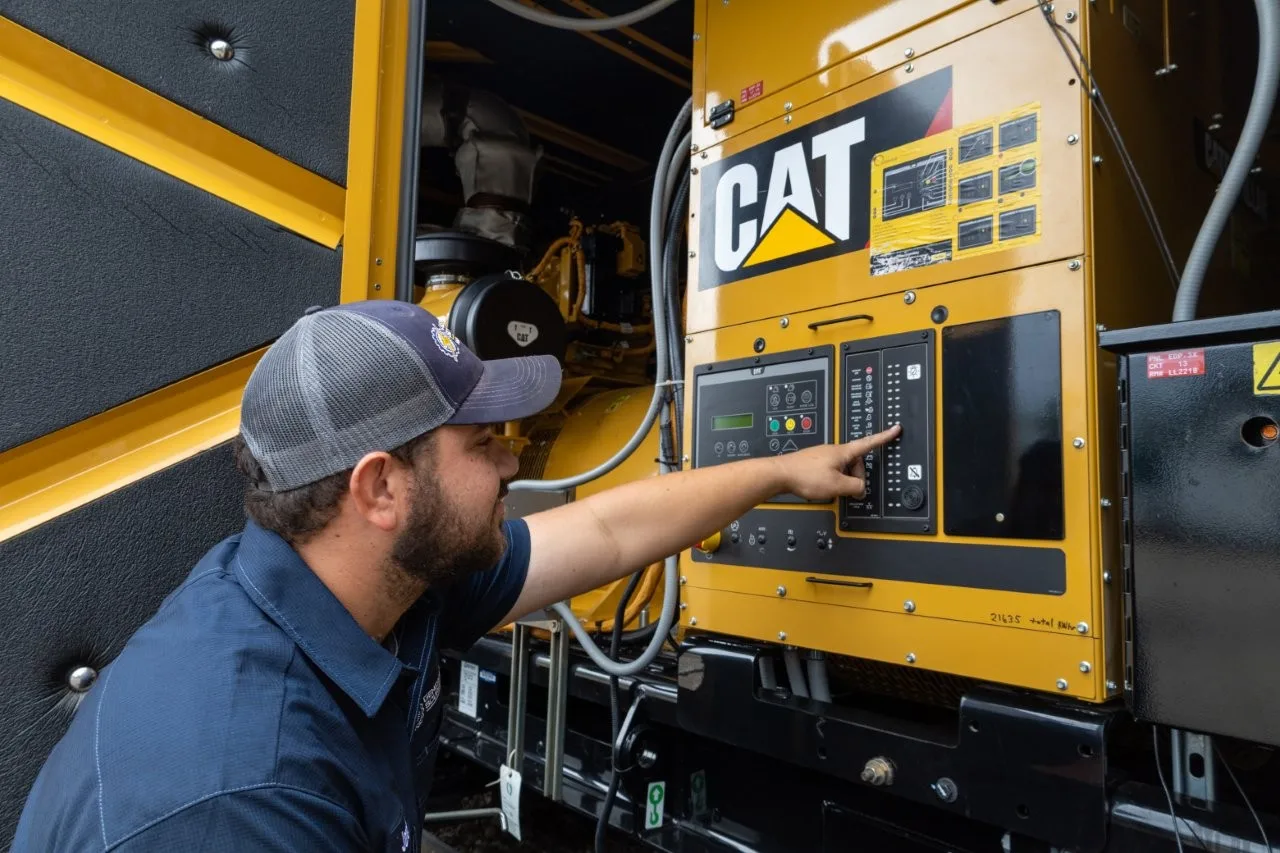
A properly sized standby generator turns a day-long outage into a non-event. Paired with an automatic transfer switch, the system senses the loss of utility power and brings critical loads back online in seconds. No one has to be on-site flipping switches, and there is no scramble to protect inventory or reschedule patients.

The key phrase is “properly sized.” A generator that runs a home is not the same as one that keeps a restaurant’s refrigeration, a hotel’s life-safety systems, or a clinic’s equipment online through a multi-day event. Commercial backup power for Colorado businesses comes down to matching real load requirements, including kilowatts, fuel type, run time, and code compliance, to the operation it protects.

Sizing a Commercial Standby Generator In Colorado

Choosing the right unit starts with a load assessment: what has to stay on, and for how long. A quick-service restaurant protecting coolers and a point-of-sale system has very different needs from a resort protecting elevators, life-safety systems, and guest floors. Fuel choice matters too, since diesel, natural gas, and propane each carry trade-offs in run time, refueling, and on-site storage. Colorado sites in wildfire-prone or high-altitude areas may also face derating and code considerations that a national online calculator will miss.

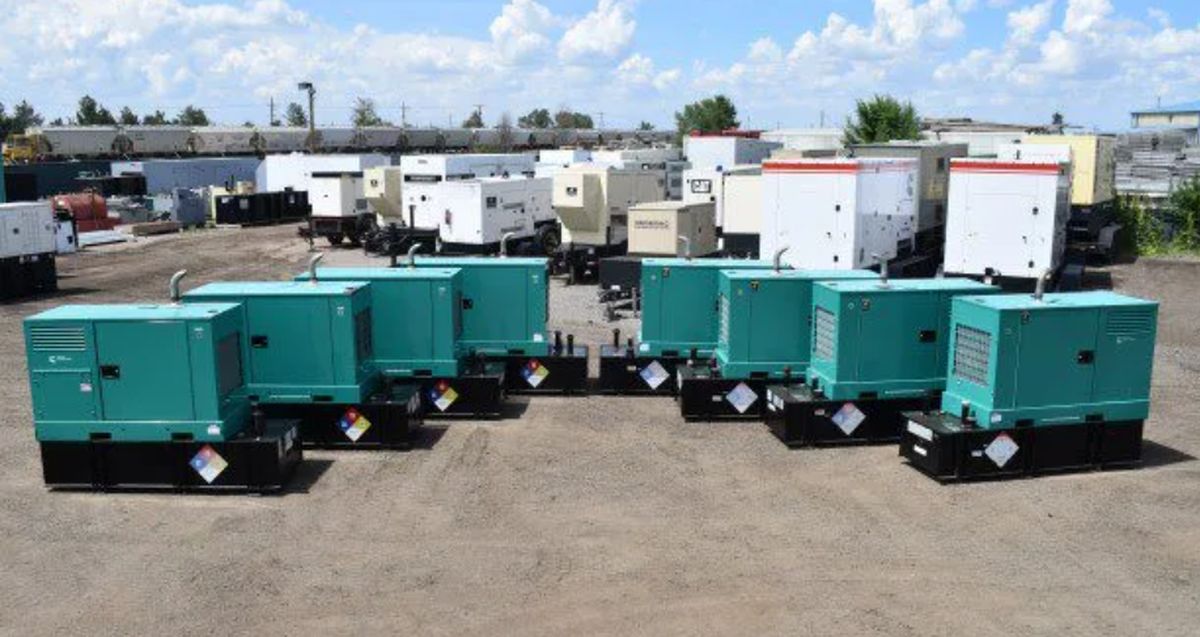
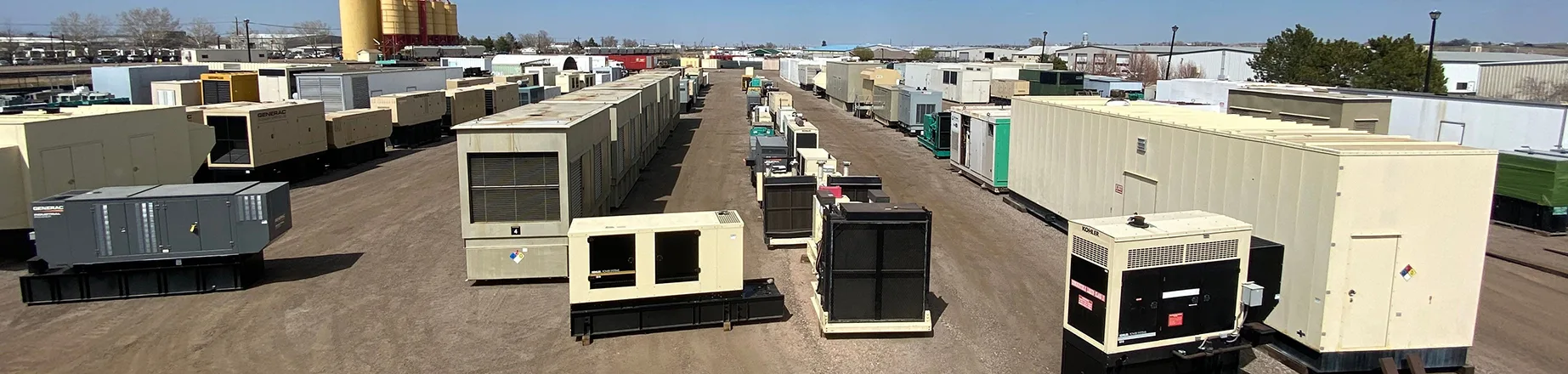
This is the conversation worth having before the next lightning strike, not during it. If your operation cannot absorb an unplanned day in the dark, it is worth understanding what a backup power system for your specific facility would look like. Generator Source can help you size and source the right unit from one of the largest in-stock inventories of commercial and industrial generators in the country.

Frequently Asked Questions

What caused the Vail Valley power outage?
A lightning strike on an Xcel Energy transmission line serving the region caused the outage on Tuesday, July 7, 2026, according to Holy Cross Energy.

How many customers lost power in the Vail Valley outage?
Roughly 27,000 Holy Cross Energy customers lost power across the Interstate 70 corridor, including Vail, Avon, Eagle, Gypsum, Beaver Creek, and Eagle Ranch. That is more than half of the cooperative’s approximately 45,000 members.

How long did the outage last?
The outage began around 4:15 p.m. Tuesday and stretched overnight. Power began coming back online Wednesday morning, meaning many customers were without power for the better part of a day.

Do Colorado businesses really need backup generators?
Any business that loses revenue, inventory, or safety capacity during an outage benefits from backup power. With wildfire mitigation shutoffs, summer grid strain, and severe weather all on the rise in Colorado, multi-hour outages are increasingly common rather than rare.

What size generator does my business need?
It depends on the loads you need to keep running, your fuel options, and how long you may need to run. A load assessment is the starting point, and Generator Source can help you match the right kilowatt rating and fuel type to your facility.

Have questions about commercial backup power for your facility?

Reach out to the Generator Source team. We carry one of the largest in-stock inventories of commercial and industrial generators in the country and can help you match the right unit to your load.